Kenya has confirmed its first imported case of Ebola after a Kenyan citizen who had been living in the Democratic Republic of Congo (DRC) died in Nairobi, raising fresh concerns about the spread of the virus across East Africa.
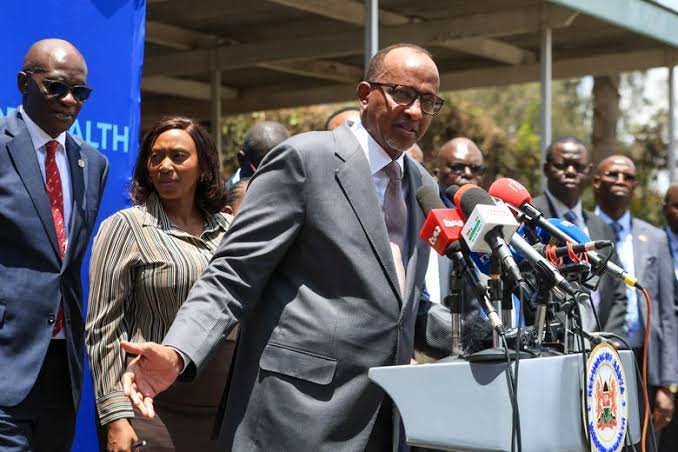
Health Cabinet Secretary Aden Duale announced the development on Tuesday, October 6, saying the patient had travelled from Congo through Uganda before arriving in Kenya on Saturday.
The man had reportedly been ill for about a month before making the journey back to Kenya. After reaching Nairobi, his condition deteriorated and he was taken to Nairobi Hospital, where he was isolated after developing symptoms associated with Ebola, including fever, chills and bleeding beneath the skin. He later tested positive for the virus and died on Monday night.
Kenyan health authorities have moved quickly to trace people who may have come into contact with the patient.
So far, 28 contacts have been identified, including relatives and healthcare workers who attended to him. Officials are also working to locate passengers and crew members who travelled on the same flight from Uganda to Nairobi.
The development has placed Kenyan health authorities on heightened alert as they attempt to determine whether the imported case resulted in any further transmission.
Authorities said identified contacts will be monitored closely, with public health measures being put in place to reduce the possibility of additional infections. The deceased is also expected to be buried under strict safety procedures designed to prevent exposure to the virus.
Patient Travelled Through Uganda
The case has highlighted the challenges posed by cross-border movement during an infectious disease outbreak.
The patient had been living in the Democratic Republic of Congo before travelling overland to Uganda. From Kampala, he boarded a flight to Nairobi and arrived at Jomo Kenyatta International Airport on Saturday.
Kenyan officials said he passed through airport screening before his condition became apparent. Health officials believe medication may have reduced or masked some of his symptoms at the time he was screened.
He was later taken to hospital by a relative after becoming more seriously ill. His symptoms prompted medical workers to isolate him and conduct further testing, which confirmed Ebola infection.
The case also comes after Kenya had spent months strengthening its preparedness for a possible imported infection.
Earlier in the year, the country’s Health Ministry said it had increased surveillance at points of entry, improved laboratory capacity, trained healthcare workers and prepared isolation facilities because of the Ebola outbreak in neighbouring countries.
Congo Battles Major Ebola Outbreak
Kenya’s first confirmed case is linked to an Ebola outbreak that has continued to spread in eastern Congo.
The outbreak was officially declared in May and is being driven by the relatively rare Bundibugyo strain of Ebola. According to the latest reports, Congo has recorded more than 8,000 cases and over 4,000 deaths during the outbreak.
The disease had previously crossed Congo’s borders into Uganda, where 20 cases and two deaths were recorded. Uganda was subsequently declared free of Ebola in August after completing the required period without new infections.
The latest Kenyan case therefore represents a significant setback for efforts to prevent the virus from spreading beyond Congo.
Ebola is transmitted primarily through direct contact with the blood or other bodily fluids of an infected person. Symptoms can include fever, vomiting and diarrhoea, while severe infections may lead to internal or external bleeding.
Authorities Urge Vigilance
Kenyan officials have sought to reassure the public while stressing the importance of vigilance.
The government had already warned earlier in the year that Kenya faced a potential risk of Ebola importation because of extensive travel and commercial links with countries in the region. Preparations included enhanced surveillance, contact tracing, screening at border points and training for medical personnel.
The confirmed case now means those preparedness measures are being put into active use.
Health officials are expected to continue monitoring people who had close contact with the deceased while investigating his movements before and after entering Kenya.
For the wider East African region, the development underscores the difficulty of containing Ebola when infected individuals cross international borders before their symptoms become obvious.
With Congo still battling a major outbreak, neighbouring countries are likely to maintain increased surveillance as authorities work to prevent further imported cases.
Kenya’s health authorities have urged the public to rely on official information and to remain alert without creating unnecessary panic as contact tracing and monitoring efforts continue.