The Democratic Republic of the Congo (DR Congo) has criticised Formula 1’s decision to bring the sport back to Africa through a planned Grand Prix in neighbouring Rwanda, warning that the event could improve the international image of President Paul Kagame’s government while conflict continues in eastern Congo.
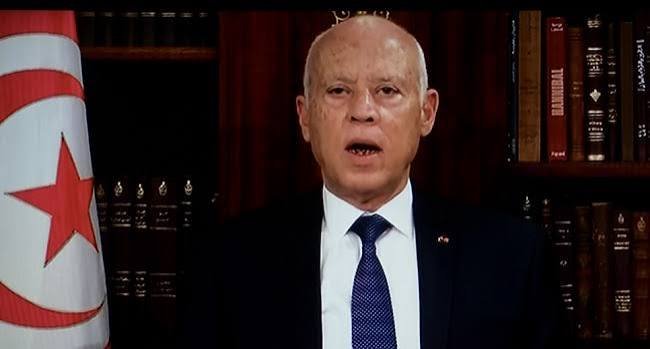
DR Congo’s Foreign Minister, Thérèse Kayikwamba Wagner, said the decision raised serious moral concerns given allegations of Rwanda’s involvement in the conflict across their shared border. She argued that Formula 1 should consider the wider political and humanitarian implications of choosing Rwanda as its next African host.
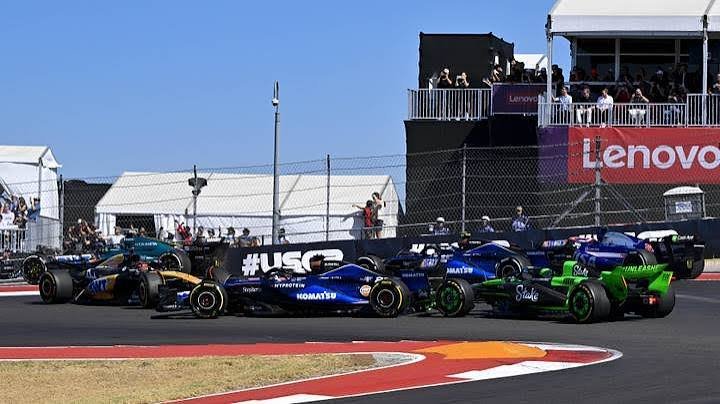
The dispute comes after Formula 1 announced plans to stage a Grand Prix at a new circuit near Kigali in the early 2030s. The event would mark the championship’s return to Africa for the first time since 1993.
DR Congo Questions Formula 1’s Choice of Rwanda
Kayikwamba Wagner said DR Congo supports Formula 1’s return to the African continent but believes Rwanda is a controversial choice because of the allegations surrounding its role in the fighting in eastern Congo.
In a statement released on Thursday, October 15, the foreign minister said she had previously warned Formula 1 officials against allowing Rwanda to host the race. She argued that the event could provide Kagame with a valuable international platform at a time when his government faces criticism over regional security and human rights concerns.
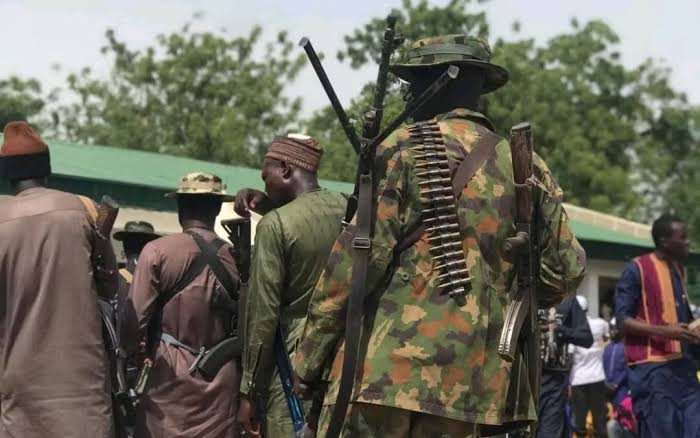
The Congolese government has accused Rwanda of supporting the M23 armed group, which has seized territory in eastern DR Congo. The United States and United Nations experts have also made allegations about Rwanda’s backing for the rebels.
Rwanda has rejected criticism of its security policies, maintaining that its actions are intended to protect the country from threats posed by armed groups operating near its borders.
The competing positions reflect the continuing tensions between the two neighbours, with the conflict in eastern Congo remaining a major source of diplomatic friction.
Rwanda Prepares for Formula 1’s Return to Africa
Formula 1 announced the Rwanda agreement on Tuesday, October 13, during an event attended by President Kagame, Formula 1 chief executive Stefano Domenicali and International Automobile Federation (FIA) president Mohammed Ben Sulayem.
Under the plan, Rwanda will develop a new racing circuit in Bugesera, near Kigali. Formula 1 has indicated that the race is expected to begin in the early 2030s, although a specific opening date has not yet been confirmed.
The proposed Grand Prix is part of Rwanda’s broader effort to attract international visitors, investment and major sporting competitions. The country has increasingly used global sports partnerships and events to strengthen its profile as a destination for tourism and business.
Formula 1’s return would also be a significant moment for African motorsport fans. The championship last held a race on the continent in 1993, when the South African Grand Prix took place at Kyalami.
However, Rwanda’s selection has drawn criticism from people who believe major sporting events should not be separated from questions about human rights, political accountability and regional conflicts. AP News
Congo Wants Formula 1 to Consider South Africa
The Congolese government has indicated that it would prefer Formula 1 to consider South Africa as an alternative host for the African Grand Prix.
South Africa has a long history with the championship and has been pursuing the opportunity to bring the sport back to the country. Its previous Grand Prix events attracted international attention, particularly at the Kyalami circuit.
Although Formula 1 selected Rwanda for its planned return, South African officials have continued to express interest in hosting a future race. The competition to secure the event highlights the growing interest among African countries in attracting major international sporting competitions.
For DR Congo, the disagreement is not simply about which country should host a race. Its government argues that Formula 1 should ensure the event does not help improve the international standing of a government it accuses of contributing to instability in the region.
Kayikwamba Wagner also called for independent assurances that money used to organise the Grand Prix would not be connected to minerals sourced from conflict areas or the exploitation of Congolese resources.
Her comments bring the region’s mineral wealth into the debate. Eastern DR Congo contains valuable natural resources, and the extraction and trade of minerals have long been linked to concerns about armed groups, illicit financing and violence. The foreign minister wants Formula 1 to ensure that the event’s funding arrangements meet credible standards.
Rwanda Faces Wider Scrutiny Over Sports Partnerships
The criticism of Rwanda’s Formula 1 agreement forms part of a wider debate over the use of major sporting events and sponsorships to promote a country’s international image.
Rwanda has invested in sports-related partnerships, including sponsorship arrangements with prominent European football clubs. These initiatives have helped increase the country’s visibility among international audiences and have supported its efforts to promote tourism.
However, critics argue that such partnerships can divert attention from allegations of human rights abuses and the government’s alleged involvement in regional conflicts. The practice is commonly described as sportswashing, a term used when governments are accused of using sporting events or partnerships to improve their reputation.
Amnesty International also criticised Formula 1’s agreement with Rwanda earlier in the week, raising concerns about the country’s human rights record. The organisation urged the sport to use its influence to encourage improvements rather than simply provide a platform for the Rwandan authorities.
Rwanda’s government has faced allegations of political repression and restrictions on dissent, while its role in eastern DR Congo remains a subject of international dispute. The Rwandan authorities have rejected accusations relating to their security policies and involvement in the conflict.
Formula 1’s Return to Africa Raises Questions
Formula 1’s planned return to Africa is expected to generate excitement among motorsport enthusiasts, particularly fans who have long called for the championship to include the continent on its calendar.
Seven-time world champion Lewis Hamilton has been among those advocating for an African race. The planned event could create opportunities in tourism, employment, infrastructure development and related businesses.
Nevertheless, the controversy surrounding Rwanda illustrates the challenges that can accompany major international sporting investments. While organisers may focus on commercial opportunities and the sport’s global reach, governments and campaigners can raise concerns about the political implications of their decisions.
For Formula 1, the challenge will be to deliver an event that appeals to African fans while addressing questions about the host country’s conduct and the sources of funding for the project.
DR Congo’s objections have placed those questions at the centre of the debate even before construction of the circuit begins. Whether the criticism prompts further assurances from Formula 1 remains to be seen.
For now, Rwanda’s planned Grand Prix remains a major step towards restoring Formula 1 to Africa, but the announcement has also opened a contentious discussion about sport, politics and accountability across the region.