The Democratic Republic of Congo has recorded 11,042 confirmed Ebola cases and 5,387 deaths, according to government figures reported by Reuters on Tuesday, November 10. The outbreak is the deadliest in the country’s history, with deaths approaching half the reported confirmed cases.
The figures mark a sharp rise since the outbreak was declared in mid-May. The disease is caused by the Bundibugyo virus, a rare Ebola species. The latest count reflects the crisis in the DRC; it does not include cases reported in other countries.
The World Health Organization (WHO), in remarks on November 11, said nearly 11,000 confirmed cases and more than 5,300 deaths had been reported in eight Congolese provinces. It also reported that almost 3,000 people had recovered. The agency said transmission appeared to be slowing in some areas, but new hotspots were emerging and the outbreak continued to spread elsewhere.
Ituri province accounts for the largest share of infections, while North Kivu has become a major site of new transmission, according to Congolese Health Minister Roger Kamba, cited by the Associated Press. The response is being complicated by armed conflict, difficult road access, pressure on the health system and distrust of health workers in some communities.
The WHO has warned that attacks on communities and medical teams are obstructing efforts to contain the disease. It said an attack on Cantine-Aloya the previous week killed 66 civilians, including three health workers, and that three health facilities were looted and burned. More than 1,000 contacts had been lost to follow-up, while three confirmed patients were unaccounted for, the agency said. Those gaps make it harder to monitor people who may have been exposed and to interrupt chains of transmission.
The Bundibugyo virus outbreak has also affected countries beyond the DRC. By November 11, Kenya had reported nine cases linked to an infection imported from the DRC, including two deaths. WHO said Kenya had discharged its final patient and begun the 42-day period used to determine whether an outbreak has ended. Nigeria had reported one imported case, according to the agency.
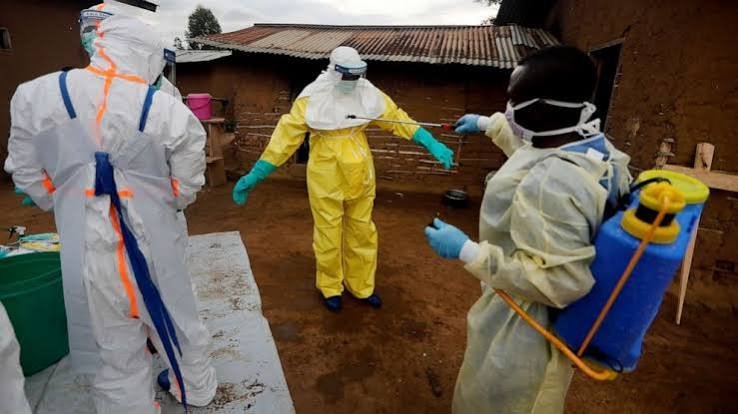
The virus strain presents additional challenges for the response. WHO says there is no approved vaccine or specific treatment for Bundibugyo virus disease. The licensed Ebola vaccine Ervebo, developed for a different Ebola virus species, has been recommended for use against Bundibugyo only within a research protocol because its effectiveness against this strain in humans remains unknown. Vaccination of health and frontline workers is under way in that research context.
The WHO has classified the outbreak as a public health emergency of international concern. It has called for stronger surveillance, testing, clinical care, infection prevention and contact tracing, alongside efforts to protect health workers and ensure response teams can reach affected communities. The agency says progress in some locations should not be mistaken for control of the outbreak as a whole.
With confirmed infections above 11,000 and deaths continuing to rise, the latest figures underline both the scale of the epidemic and the difficulties confronting responders. Health authorities and their partners face the task of reaching communities amid insecurity while tracing contacts and treating patients. The situation remains active, and the totals may change as new cases are detected and health officials reconcile records.