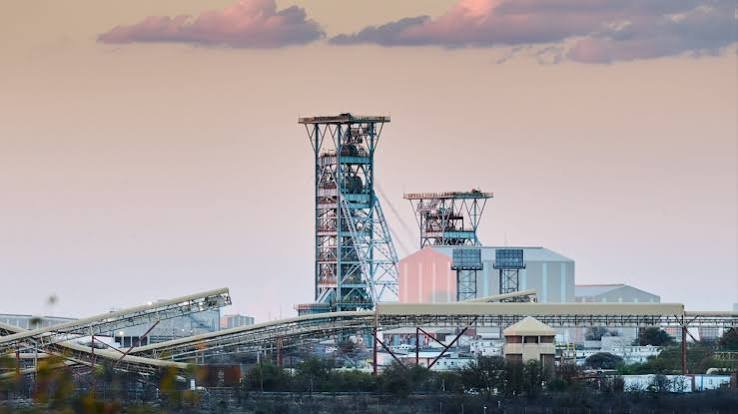
Botswana is set to increase its ownership of global diamond producer De Beers from 15% to 30%, in a major development that could give the southern African country greater influence over one of the world’s most recognised diamond businesses.
President Duma Boko announced the plan on November 9, 2026, confirming that his government supports a proposed transaction involving Anglo American’s controlling interest in the diamond company.
The move forms part of a wider ownership restructuring after Anglo American put its 85% stake in De Beers up for sale in 2024. The remaining 15% is currently held by the Botswana government.
Speaking in Parliament in Gaborone, Boko said the proposed increase would make Botswana the largest single shareholder in De Beers once the transaction is completed.
He explained that the additional ownership would give the country a stronger voice in major corporate decisions and the company’s long-term direction.
The announcement represents an important step in negotiations over the future of De Beers, although the final transaction documents and other necessary arrangements are still being worked out.
Global Diamond Consortium Emerges as Preferred Buyer
Botswana has selected the Global Diamond Consortium as its preferred bidder for Anglo American’s 85% holding in De Beers.
The consortium is led by Gareth Penny, a former chief executive of De Beers, and is working with governments and potential private-sector investors to complete the proposed acquisition.
Botswana’s support is significant because the country has a right of first refusal over Anglo American’s stake. This means the government’s position is an important consideration in the process of transferring ownership.
Anglo American said it would continue working with Botswana, other interested governments and the consortium to finalise binding transaction documents.
The proposed ownership arrangement is also expected to involve other African diamond-producing countries. Boko said Namibia and Angola would participate in the transaction, although the precise details of their investments have not been publicly established.
Oman has also been mentioned in discussions surrounding the wider consortium arrangement.
Private-sector participation is another part of the proposed deal. Swiss luxury group Richemont, which owns Cartier, is among the companies reportedly in discussions about joining the consortium.
Diamond industry businesses, including Signet and several major rough-diamond buyers, have also been identified in reports as potential participants.
The final ownership structure will depend on the completion of negotiations and agreements among the parties.
Why Botswana Wants a Bigger Role in De Beers
Diamonds remain central to Botswana’s economy, making the future of De Beers particularly important to the country’s economic interests.
The company has a long-standing relationship with Botswana through Debswana, its joint venture with the government. Debswana operates some of the country’s most important diamond mines and has played a major role in the development of Botswana’s mining industry.
Increasing its stake in De Beers would give the government greater influence beyond its existing mining partnership.
The move also comes at a difficult time for the global natural-diamond market. Weak consumer demand, pressure on diamond prices and the growing popularity of laboratory-grown alternatives have created challenges for traditional producers.
Anglo American’s decision to sell De Beers was part of a broader restructuring strategy as the mining group seeks to concentrate on other parts of its business, particularly copper and premium iron ore.
For Botswana, acquiring a larger interest could help protect its position in the diamond industry while allowing it to participate more directly in decisions affecting the sector’s future.
However, a larger shareholding also means greater exposure to the commercial risks facing the diamond business. The financial terms of Botswana’s proposed additional investment have not been fully disclosed.
De Beers Looks Beyond Natural Diamonds
Boko also highlighted the importance of De Beers’ technology operations, particularly Element Six, the company’s synthetic-diamond business.
While natural diamonds remain the foundation of De Beers’ traditional business, synthetic diamonds have important industrial applications beyond jewellery.
Element Six develops synthetic diamond materials used in specialised industrial and technological applications. These include areas where diamonds’ hardness, thermal conductivity and other physical properties offer advantages over conventional materials.
Boko said Botswana’s proposed investment should therefore be viewed as an opportunity to gain exposure to technology as well as the natural-diamond market.
He also confirmed that Element Six would participate in a planned $600 million synthetic-diamond manufacturing facility in the United States.
The project is expected to support demand for advanced synthetic diamond materials, particularly as industries expand their use of high-performance computing and data-centre infrastructure.
The growth of artificial intelligence has increased interest in materials and technologies that can support more demanding computing systems. Synthetic diamonds could have a role in certain specialised applications because of their ability to conduct heat efficiently.
Boko further disclosed that discussions had taken place with US Commerce Secretary Howard Lutnick over a possible technology partnership between Botswana and the United States, with Element Six potentially playing a central role.
The proposal could give Botswana an opportunity to strengthen its position in emerging technology supply chains rather than relying exclusively on traditional diamond exports.
A Major Test for Botswana’s Diamond Strategy
The proposed increase in De Beers ownership comes as Botswana seeks to strengthen its economy amid challenges in the international diamond market.
The country has historically depended heavily on diamond revenues, making changes in global demand particularly important for government income, employment and economic growth.
Competition from laboratory-grown diamonds has altered the market, while weaker luxury spending has added pressure to natural-diamond producers.
The proposed deal could give Botswana more control over the strategic direction of a company closely linked to its mining sector. It could also create opportunities for closer cooperation among African diamond-producing nations.
Nevertheless, the transaction still faces important steps before completion. The parties must agree on binding documents, finalise the ownership structure and settle the financial arrangements.
For Anglo American, the sale would represent another major stage in its restructuring programme. For Botswana, it would mark a significant expansion of its influence over the global diamond business.
If completed, the move from 15% to 30% would make Botswana De Beers’ largest individual shareholder and place the country in a stronger position to shape the company’s future.