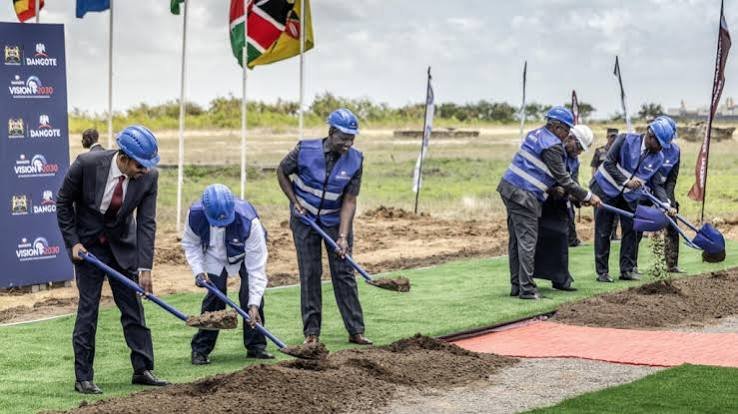
Residents of Kenya’s historic Lamu Island have raised concerns about the possible environmental, economic and social consequences of a massive new oil refinery planned for the coastal region.
The proposed Dangote East Africa Refinery is being developed by Nigerian businessman Aliko Dangote and is expected to become one of Africa’s largest oil-refining projects. The facility is planned to have a processing capacity of up to 700,000 barrels of crude oil per day and is expected to supply petroleum products to Kenya and other countries in East Africa.
While the project has been presented as a major industrial investment capable of creating jobs and strengthening regional energy security, some Lamu residents and environmental groups fear that the development could threaten the area’s fragile coastal ecosystem and traditional livelihoods.
Lamu’s Tourism and Environmental Importance
Lamu is renowned for its beaches, marine environment and historic Old Town, a UNESCO World Heritage Site. The island has also become a popular destination for international tourists.
For many residents, tourism, fishing and other traditional activities are closely connected to the coastal environment.
Some tourism operators therefore fear that the arrival of a large oil-processing complex, together with crude-oil tankers and other industrial infrastructure, could alter the character of the region and affect businesses that depend on visitors.
A local tourism operator cited in the report said tourists visit Lamu for its culture and coastal attractions, raising concerns about whether the area can maintain that appeal alongside a major oil facility.
Environmental campaigners have also pointed to potential risks involving Lamu’s mangroves, coral reefs, seagrass beds and fishing grounds. They argue that increased shipping activity and the transportation of crude oil and refined products could create additional environmental risks.
Residents Question Land Rights and Compensation
Environmental concerns are not the only issue surrounding the refinery.
More than 100 residents in parts of Lamu County have taken legal action over land earmarked for major infrastructure projects, including the proposed refinery.
In court documents, residents have claimed that their families have lived on and cultivated the disputed land for generations. They say homes, farms, religious structures and burial sites are located on parts of the affected property.
The residents argue that their long-term occupation and use of the land should be recognised even where they do not possess formal title deeds.
They have also alleged that previous construction activities resulted in damage to crops, trees and other property and have raised questions about compensation and resettlement. These claims are part of an ongoing legal dispute and have not been finally determined by the court.
Court Case Adds to Refinery Debate
The land dispute reached Kenya’s Environment and Land Court shortly before the refinery’s groundbreaking ceremony.
The court declined to stop the groundbreaking but ordered parties to maintain the status quo concerning disputed land pending further proceedings. The case is scheduled for further consideration as the residents seek to establish their rights over the property.
The legal challenge has added another layer to the debate over how the refinery should be developed and how affected communities should be involved.
Residents and their representatives have argued that economic development should proceed alongside proper consultation, recognition of land rights and compensation where required by Kenyan law.
Government and Dangote Defend Development
Kenyan authorities have described the refinery as an important investment for the country’s industrial and energy ambitions.
President William Ruto has promised that residents’ rights will be protected and that environmental concerns will receive attention. The government has also highlighted the potential economic benefits of the project.
The refinery is expected to create thousands of direct and indirect employment opportunities, while a planned training centre is expected to provide skills development for young people.
Dangote has also defended the project against criticism, describing the refinery as part of Africa’s wider development and industrialisation drive.
The company has maintained that the project can deliver significant economic benefits to Kenya and the wider region.
A Major Investment With Local Concerns
The refinery is estimated at about $16 billion and is being positioned as a major energy project for East Africa. Once completed, it is expected to process crude oil into products such as petrol, diesel and aviation fuel for Kenya and neighbouring markets.
For supporters, the investment could reduce dependence on imported refined petroleum products, create employment and strengthen Kenya’s position as an energy and logistics hub.
For residents, however, the immediate questions are more local: how their land will be protected, whether affected families will receive appropriate compensation, and what safeguards will be put in place for Lamu’s environment and traditional industries.
The controversy illustrates the challenge facing authorities as they seek to balance large-scale industrial development with environmental protection and the rights of communities living around major infrastructure projects.
As construction activities move forward, the court proceedings and promised environmental assessments are likely to remain important parts of the debate over the future of the refinery and its impact on Lamu.
Ultimately, the project will be judged not only by its ability to increase Kenya’s refining capacity, but also by how its economic ambitions are balanced with the environmental and social concerns raised by communities in the host region.