Malawi’s Electoral Commission is facing growing internal pressure over a government-backed plan to move its headquarters from Lilongwe to Blantyre, with employees and election observers raising concerns about the dispute and its possible impact on the institution.
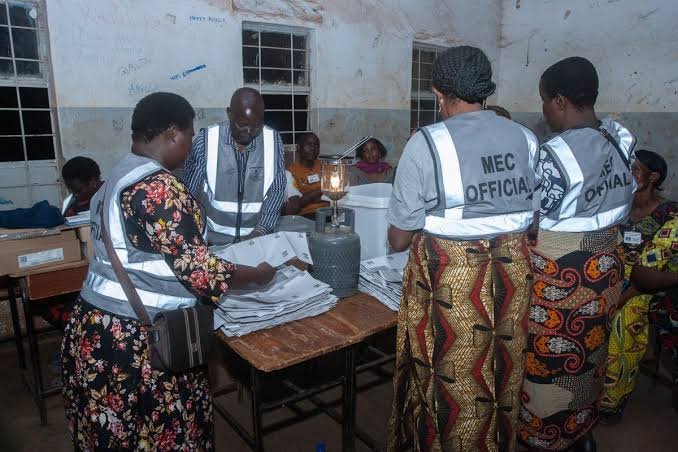
The disagreement comes at a sensitive period for the Malawi Electoral Commission (MEC), which is responsible for organising and overseeing elections in the country. The commission is also preparing for upcoming by-elections while looking ahead to the 2030 general election.
At the centre of the dispute is an executive directive issued by President Peter Mutharika in October 2025 ordering several government institutions, including the MEC, to return their headquarters to Blantyre.
The commission had moved its headquarters to Lilongwe in June 2023, bringing it closer to the country’s central government offices.
Staff raise concerns over relocation
The MEC staff union has demanded discussions with the full commission over several unresolved issues.
In a letter dated September 21, the union called for a meeting within seven days and listed concerns involving the proposed relocation, the future of Chisankho House, a warehouse in Njewa that has been sealed, the arrest of senior officials and the relationship between the electoral commission and government.
The union said an earlier response from MEC chairperson Justice Annabel Mtalimanja had not adequately resolved the issues raised by employees.
Staff representatives are seeking clearer information about how the relocation will be handled and what it means for employees and the commission’s operations.
MEC questions constitutional implications
The relocation dispute has also developed into a broader question about the independence of Malawi’s electoral body.
MEC chairperson Justice Annabel Mtalimanja, who is also a High Court judge, said the commission had sought legal clarification over whether the presidential directive could amount to interference with the constitutional independence of the electoral commission.
According to her response, the MEC will continue operating from Lilongwe while the legal questions surrounding the directive are being addressed through the courts.
The situation has consequently left the commission’s long-term headquarters uncertain.
The dispute over Chisankho House has added another complication, with questions surrounding the building’s lease and the government’s position on the relocation.
Election observers warn about public confidence
Concerns about the situation extend beyond the commission’s employees.
Boniface Chibwana, executive director of the Institute for Multiparty Democracy, said the continuing disagreement could affect public confidence in the electoral body at a time when the MEC is expected to conduct future elections.
Benedicto Kondowe, chairperson of the Civil Society Elections Integrity Platform, has similarly called for the concerns raised by staff to receive serious attention.
The issue is significant because public trust is an important part of the electoral process. Questions about the independence or effectiveness of an election management body can influence how voters, political parties and civil society groups perceive elections.
Calls for stronger safeguards
Gift Sambo, an expert in electoral and legislative politics at the University of Malawi, has called for stronger legal and institutional safeguards to protect the electoral commission from unnecessary political interference.
The argument comes against the background of the constitutional responsibility of electoral commissions to operate independently while administering elections.
The relocation dispute has therefore moved beyond the question of where MEC employees will work. It has become part of a wider discussion about the relationship between the executive branch and Malawi’s election management institution.
MEC calls for dialogue
MEC Director of Media and Public Relations Sangwani Mwafulirwa said issues raised by employees and their representatives should be addressed through the appropriate institutional procedures.
He called for the disagreements to be handled through constructive engagement, mutual respect and established processes.
That approach could become important as the commission attempts to resolve its internal concerns while continuing its electoral responsibilities.
Why the dispute matters
The timing of the disagreement has drawn particular attention because Malawi’s Electoral Commission has important electoral duties ahead.
The commission is expected to oversee forthcoming by-elections and prepare for the country’s next general election scheduled for 2030.
Resolving the current disagreements could therefore be important for ensuring that the commission remains focused on its constitutional responsibilities rather than being consumed by an extended dispute over its headquarters, staff concerns and institutional relations.
For now, the MEC remains in Lilongwe while the legal questions surrounding the presidential relocation directive are being considered.
The outcome of that process could determine where the commission eventually operates from and how the government and electoral authorities manage the broader issue of institutional independence.
As Malawi prepares for future elections, attention will remain on whether the competing concerns can be resolved through legal and institutional channels without disrupting the commission’s work.