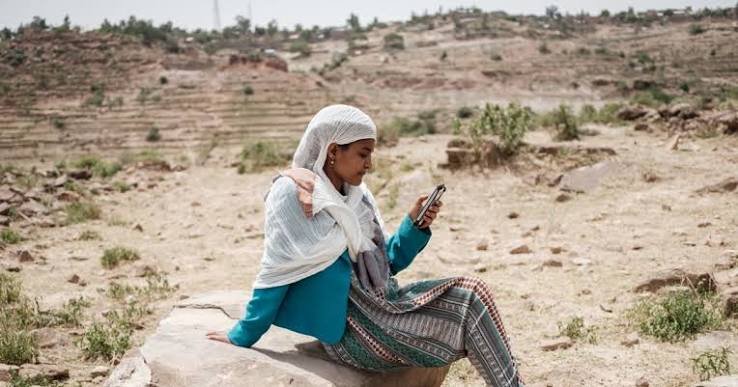
Internet services have been disrupted across parts of northern Ethiopia as renewed fighting between federal forces and Tigrayan fighters raises concerns about a wider conflict in the region.
Internet monitoring organisation NetBlocks said on Friday, September 25, that its network data showed a significant disruption affecting northern Ethiopia. The outage corresponds with reports of a telecommunications blackout in the Tigray region, where fighting has intensified this week.
The reason for the interruption was not immediately established. Representatives of Ethiopian Prime Minister Abiy Ahmed and the Tigray People’s Liberation Front (TPLF) had not publicly explained the reported loss of connectivity when the latest reports emerged.
Communication difficulties reported
The disruption has made it increasingly difficult for people outside Tigray to communicate with relatives and contacts inside the region.
A Tigrayan living abroad told Reuters that they had been unable to reach people in Tigray. Contacts in Ethiopia’s capital, Addis Ababa, were also reportedly experiencing difficulties communicating with relatives in the northern region.
The development has revived memories of the communications blackout imposed during the previous Tigray war between 2020 and 2022.
During that conflict, Tigray was largely isolated from the outside world after communications were cut. Restrictions on movement and access to essential supplies also contributed to a severe humanitarian crisis, with large numbers of people facing food and medicine shortages.
Fighting intensifies across northern Ethiopia
The internet disruption comes as fighting continues between federal forces and Tigrayan fighters.
The latest violence is being described as the most serious escalation since the 2022 peace agreement that ended the previous war. Tigrayan forces have reportedly taken control of three local airports and launched attacks into neighbouring Afar and Amhara regions alongside allied armed groups.
The escalation follows weeks of rising tensions between the federal government and Tigrayan forces.
The two sides have offered different accounts of who initiated the latest fighting, with Tigrayan representatives accusing the federal government of launching an offensive, while government-linked officials have blamed Tigrayan forces for starting the latest attacks.
Residents stock up on essential supplies
The worsening security situation has also affected daily life in Tigray.
Residents in the regional capital, Mekelle, reportedly rushed to markets and shops to purchase food and other basic goods as concerns about a prolonged conflict grew.
Some residents also sought to withdraw cash, reflecting fears that banks and other essential services could become difficult to access if the fighting continues.
Reports of people stocking up on supplies have heightened concerns that the current crisis could develop into a broader humanitarian emergency, particularly if transportation and communication links remain disrupted.
Memories of the 2020-2022 Tigray war
The current crisis is particularly sensitive because of the devastating conflict that previously engulfed Tigray.
The war began in 2020 after a political dispute between Ethiopia’s federal government and the TPLF escalated into armed conflict. The fighting continued for two years before a peace agreement was reached in Pretoria, South Africa, in November 2022.
The conflict caused extensive destruction and a major humanitarian crisis. Communication networks were severely affected, while access to food, healthcare, banking services and other necessities was restricted for long periods.
The latest telecommunications disruption has consequently raised fears among residents and families that some of the difficulties experienced during the previous war could return.
Wider regional concerns
The renewed fighting is not confined to Tigray.
Clashes have also been reported in neighbouring Amhara and Afar regions, increasing the possibility that the conflict could spread further across northern Ethiopia.
The latest escalation comes days after seven armed groups announced an alliance opposed to Prime Minister Abiy’s government. The coalition includes the TPLF and the Amhara Fano National Movement, groups that fought on opposing sides during the earlier Tigray war.
The formation of the alliance has added another layer to Ethiopia’s already complicated security situation.
Internet access remains uncertain
For residents of Tigray, the loss of reliable internet access could make an already difficult situation more challenging.
Connectivity is important for communication with family members, access to financial services, news and emergency information. Any prolonged outage could also make it harder for humanitarian organisations and outside observers to assess developments on the ground.
For now, the cause and expected duration of the disruption remain unclear.
With fighting continuing and communication links under pressure, attention is focused on whether the latest escalation can be contained or whether northern Ethiopia could once again face a prolonged conflict and humanitarian crisis.