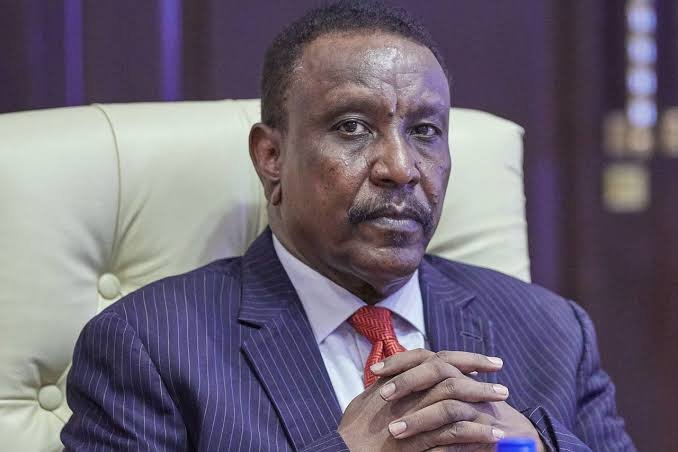
A Sudanese political movement led by Yasir Arman has announced that it will not participate in an upcoming round of Switzerland-backed peace consultations, objecting to what it describes as efforts to bring Islamist groups together as part of the dialogue process.
The Sudan People’s Liberation Movement-Revolutionary Democratic Current (SPLM-RDC) said on Tuesday, November 17, that it had rejected an invitation to attend the seventh meeting of the Nyon Process, scheduled to take place in Switzerland from November 25 to 28, 2026.
The movement explained that its decision was a protest against the approach adopted by Promediation, the organisation facilitating the consultations in cooperation with the Swiss Federal Department of Foreign Affairs.
According to the group, previous engagements by the organisers with Islamist figures, aimed at unifying their political ranks, raised questions about the direction and credibility of the proposed dialogue.
The Nyon Process is an informal platform designed to bring Sudanese political and civilian groups together to build confidence, identify areas of agreement and explore ways to end the war. Its discussions cover humanitarian concerns, ceasefire arrangements, the delivery of assistance and the foundations of a future political settlement.
In a statement signed by its spokesperson, Maher Mohamed Mahmoud, the SPLM-RDC said it had received the invitation but decided against attending because it was dissatisfied with the consultations involving Islamist forces.
The movement argued that including groups it holds responsible for undermining Sudan’s democratic transition and supporting authoritarian rule would undermine the credibility of a peace initiative.
These accusations reflect the political position of the SPLM-RDC and have not been established as independent findings in the report.
Movement Questions the Direction of the Dialogue
The SPLM-RDC maintained that Sudan’s political crisis requires a peace process built around clear principles and an agreed understanding of the country’s future.
It argued that efforts to negotiate an end to the conflict cannot be separated from the humanitarian emergency, worsening food insecurity, economic collapse and attacks affecting civilians.
The group said a political process launched while these challenges continue must place civilian protection and humanitarian assistance among its immediate priorities.
It also called for a review of the consultations before further dialogue takes place, insisting that the organisers should clarify the criteria for participation and the principles guiding negotiations.
Despite declining the invitation, the movement stressed that its decision should not be interpreted as a rejection of dialogue or an attempt to dismiss Switzerland’s contribution to peace efforts.
Instead, it described the boycott as a call for a more inclusive and clearly structured process capable of addressing the causes of Sudan’s conflict.
The group said it remained open to further discussions with the Swiss government and Promediation, provided such engagements involve coordination with democratic and anti-war political forces.
Calls for a Unified National Army
Beyond its concerns about the participation of Islamist groups, the SPLM-RDC outlined what it believes should be central to any future political settlement.
The movement called for a comprehensive restructuring of Sudan’s military and security institutions, arguing that lasting peace would require a single national army operating independently of political interests.
It said the proposed military structure should be professional and reflect Sudan’s ethnic, regional and social diversity.
The group also demanded the dissolution of parallel armed formations and called for the military institution to operate under civilian oversight.
These demands touch on one of the most difficult issues facing Sudanese peace negotiations: how to reorganise the country’s security sector and establish a unified chain of command after years of political instability and armed conflict.
The war, which erupted in April 2023 between the Sudanese Armed Forces (SAF) and the paramilitary Rapid Support Forces (RSF), has created a major challenge for efforts to restore political stability.
Attempts to negotiate a settlement have repeatedly faced disagreements over the future of the armed groups, the structure of government and which political forces should participate in shaping Sudan’s post-war arrangements.
For the SPLM-RDC, addressing these questions is essential to preventing another cycle of conflict and ensuring that a future government has authority over the country’s security institutions.
Urges Anti-War Groups to Build a Political Alliance
The movement also called on revolutionary and anti-war organisations to deepen consultations among themselves and establish a stronger political alliance.
It argued that a coordinated civilian bloc would be better positioned to influence negotiations and push for a settlement that reflects the interests of Sudanese citizens.
The proposed alliance, according to the movement, should promote a credible peace process rather than allow negotiations to become a platform for competing political groups to pursue their individual interests.
The call reflects continuing divisions among Sudanese civilian and political organisations over how to end the war and determine the country’s future leadership.
While different groups have supported negotiations, disagreements remain over the participation of former ruling-party networks, Islamist organisations, military representatives and other political actors.
The SPLM-RDC’s position suggests that the question of who should be involved in negotiations remains a significant obstacle to building a unified civilian approach to the conflict.
What the Nyon Process Seeks to Achieve
The Nyon Process is intended to provide an informal environment where Sudanese political and civilian representatives can discuss possible ways out of the conflict.
Supported by Promediation and the Swiss Federal Department of Foreign Affairs, the initiative seeks to reduce political divisions, encourage communication between opposing groups and identify areas where agreement may be possible.
Its agenda includes humanitarian issues, ceasefire arrangements, access for relief organisations and the political framework required for a future transition.
The seventh meeting, scheduled for November 25–28 in Switzerland, is expected to continue these discussions.
However, the SPLM-RDC’s decision not to attend highlights the difficulties facing initiatives that seek to bring together Sudan’s fragmented political landscape.
A successful dialogue requires not only participation from different political groups but also sufficient trust in the organisers, the selection of participants and the objectives of the negotiations.
The movement’s withdrawal could therefore add to the debate over how peace consultations should be structured and which political forces should have a role in determining Sudan’s post-war future.
Sudan’s Search for a Political Settlement Continues
Sudan continues to face a devastating conflict that has disrupted government institutions, displaced millions of people and created severe humanitarian needs.
International and regional efforts to secure a ceasefire have encountered major challenges, while disagreements among political actors have complicated attempts to develop a common vision for the country’s future.
The latest position taken by the SPLM-RDC demonstrates that divisions extend beyond the two principal armed parties and also affect the civilian and political groups expected to participate in a transition.
Although the movement has rejected the upcoming Nyon meeting, its willingness to hold further consultations with Swiss officials and other anti-war organisations leaves room for additional engagement.
The immediate challenge for the organisers will be to address concerns about political representation and establish conditions that encourage broader participation.
As the November meeting approaches, the dispute over Islamist involvement is likely to remain part of the wider debate about who should shape Sudan’s peace process and what political arrangements should follow the war.