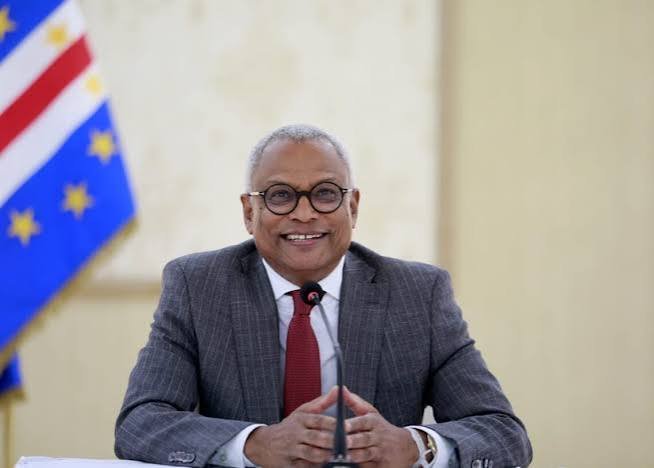
Cabo Verde President José Maria Neves is set to serve another five-year term after taking a clear lead in the country’s November 15 presidential election, according to provisional results. His main challenger, former justice minister Joana Rosa, conceded defeat.
Neves, 66, won about 63.8% of the vote, while Rosa received approximately 31.4%, the African Press Agency reported. The figures indicate that Neves secured the required majority in the first round, avoiding a runoff. The results were still provisional in the reports available on November 17, so the final certified outcome remained subject to the electoral process.
Neves thanked supporters after the results emerged and described the outcome as a major victory for the country. He pledged to uphold democratic institutions, the rule of law and civil liberties, while pursuing more inclusive economic growth. His priorities include reducing poverty and inequality and improving living standards across the Atlantic archipelago.
The result extends Neves’ presidency, which began in 2021. Before becoming head of state, he served as prime minister from 2001 to 2016. He represents the African Party for the Independence of Cabo Verde, known by its Portuguese acronym PAICV.
Rosa, who represented the Movement for Democracy (MpD), became the first woman to run for president in Cabo Verde, according to the Associated Press. Her campaign ended with a concession after Neves established a substantial lead.
Low turnout raises questions
The election was marked by low participation. Provisional figures put turnout at roughly 31.7%, meaning abstention was close to 68%. Around 418,000 people were registered to vote, including citizens living abroad.
Neves said the turnout figures deserved serious reflection. He pointed to possible issues with the voter register, population movement within the country and emigration. Many Cabo Verdeans live abroad, and the president has called for a review of how voting can be made more accessible. He has also raised modernization of the electoral system, including the possibility of electronic voting.
The low participation adds to broader questions about how the country can keep citizens engaged in public life as people leave in search of better opportunities. High living costs, limited employment prospects for young people and uneven development across the islands remain persistent concerns.
A presidency with a constitutional role
Cabo Verde operates a parliamentary system in which the prime minister leads the government and directs most policy. The president’s role is largely institutional, but the office still carries constitutional responsibilities, including the power to review or veto legislation. The election therefore determines who will represent the state and help safeguard the constitutional order for the next five years.
The president’s promise of inclusive growth comes amid pressure to address economic disparities and reduce the factors driving migration. While remittances and overseas communities are important to Cabo Verde, sustained emigration can also weaken the local workforce and leave families separated.
Neves’ second term will give him another opportunity to use the presidency to encourage cooperation across political parties and government institutions. His commitments on poverty, inequality and living standards will be closely watched, particularly in communities where jobs and the cost of daily life are central concerns.
For now, the election result points to continuity in the presidency. The next step is completion of the official count and confirmation of the final results by electoral authorities. Until that process is finished, Neves’ victory should be described as based on provisional results.