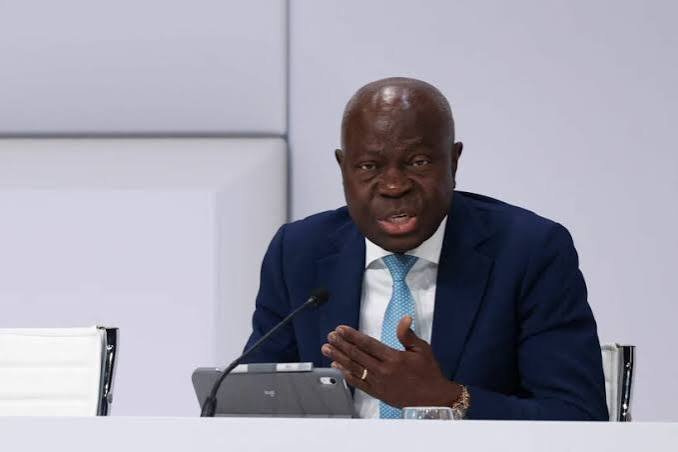
Gilbert F. Houngbo of Togo has been re-elected Director-General of the International Labour Organization (ILO), securing a second five-year term at the United Nations agency responsible for promoting workers’ rights and decent work.
The ILO Governing Body voted by secret ballot in Geneva on November 16. Houngbo received 51 votes in favour out of 56 members entitled to vote; five abstained. His new term will begin on October 1, 2027, and run through September 30, 2032.
Two other candidates had been in the race: Spain’s Labour Minister Yolanda Díaz Pérez and former Peruvian foreign minister Javier González-Olaechea Franco. Both withdrew before the vote. González-Olaechea withdrew on November 4, while Díaz pulled out on election day. Houngbo was therefore the only candidate remaining when the Governing Body held its ballot.
The Governing Body is the ILO’s executive body. Its 56 voting members include 28 government representatives, 14 employer representatives and 14 worker representatives, reflecting the organisation’s three-sided structure. The ILO brings governments, employers and workers together to shape labour standards and policies.
Houngbo has led the organisation since October 2022. He became its 11th Director-General and the first African to hold the position. Before taking the ILO post, he served as Togo’s prime minister from 2008 to 2012, held senior roles at the United Nations Development Programme, and later led the International Fund for Agricultural Development.
The re-election comes as the ILO faces pressure to adapt its work to major changes in employment and the global economy. The organisation has been pursuing internal reforms while dealing with financial constraints and reduced resources. Its responsibilities include setting international labour standards, supporting workers’ rights, advancing social protection and encouraging dialogue between workers, employers and governments.
In outlining his priorities for the next term, Houngbo has highlighted the ILO’s standard-setting and supervisory work, stronger field operations and the effects of artificial intelligence on employment. He has also pledged to continue reforms aimed at improving the agency’s efficiency and long-term financial sustainability.
Artificial intelligence is likely to be a central issue for labour policy as employers adopt new tools and work arrangements change. The technology may create opportunities, while also raising questions about job security, worker skills, surveillance and protections. Houngbo has said the ILO should help ensure that technological change serves people and that workers have a voice in decisions affecting their jobs.
The ILO’s wider agenda also includes social justice, decent work and the protection of workers’ rights. Those goals involve addressing conditions across formal and informal employment, promoting safe workplaces and supporting people affected by shifts in the labour market. The organisation’s tripartite model is intended to bring those affected—governments, employers and workers—into the policy discussion.
Houngbo’s new term begins in 2027, giving the ILO time to prepare its next programme of work and budget. The agency says its upcoming agenda will include continued attention to AI and digital work, international labour standards, social protection and organisational reform. His re-election extends the leadership of a Togolese official who has spent decades in national government and international development institutions.