Mauritania took part in the 65th session of the Council of Arab Health Ministers. A related conference discussed how Arab health professionals working abroad can contribute to healthcare systems across the region.
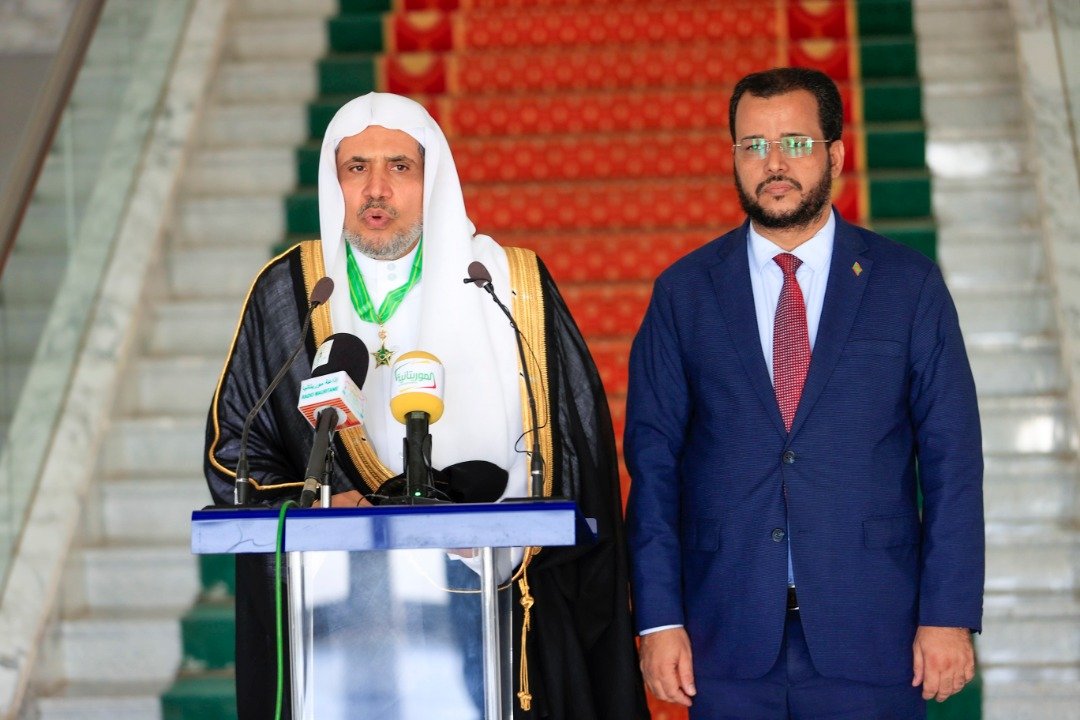
The country was represented by Sheikh Bay Amkheirat, a chargé de mission at Mauritania’s Ministry of Health. This representation followed the ministry’s account reported by Madar. Meetings took place in Cairo. Health officials from Arab countries discussed common pressures on medical services and possible cooperation.
Mauritania’s participation was presented by its health ministry as part of efforts to maintain a presence in Arab health forums. It aimed to build cooperation with other member states and to draw on regional experience. The report did not announce a separate agreement or new programme signed by Mauritania at the meetings.
The council’s 65th session was held on November 10 under Egypt’s chairmanship. According to the Emirates News Agency, ministers considered 17 agenda items. They focused on health security and the development of healthcare systems. They approved an Arab strategy for engaging health professionals living abroad during 2026–2030. They also authorized $200,000 in urgent assistance for Palestine’s health sector.
The council discussed establishing an Arab Regional Centre for Applied Epidemiology. It would strengthen regional capacity to monitor and respond to disease threats. The council approved an adolescent health annex, drafted multisectorally with UNFPA. It was developed in coordination with the United Nations Population Fund. Additionally, the effects of climate-change on the health of mothers and adolescent girls were among the subjects discussed. The council selected ‘Health in the Era of Artificial Intelligence and Innovation’ as the theme for Arab Health Day 2027. WAM reported this.
This approach for professionals abroad dominated a second Arab conference. In Cairo, the event occurred on November 11 and 12. Its goal is to make it easier for Arab doctors and other health specialists working overseas to share skills and knowledge with institutions in the region, without requiring them to move back permanently.
The conference concluded with the Cairo Declaration and a five-year strategy. According to Ahram Online, the plan calls for national targets, closer alignment between medical education and health-system needs, and a digital platform connecting professionals abroad with hospitals, universities and research centers. It also proposes arrangements that could support their contributions to training, research, clinical services and innovation.
Such contributions could include remote teaching, specialist training, research partnerships and professional advice. Whether these ideas deliver lasting benefits will depend on how countries put them into practice, including whether they create clear ways for overseas professionals to work with local institutions.
The council’s discussions also reached beyond workforce issues. Before the November session, the Arab League’s technical advisory committee identified support for Sudan’s health sector, maternal and child health, and preparations for a joint Arab statement at the World Health Assembly as topics for consideration.
For Mauritania, attending these discussions offers an opportunity to exchange views on shared regional challenges and follow policies that could shape future cooperation. The available report, however, provides no details of specific commitments made by the Mauritanian representative or of how the country plans to apply the conference strategy domestically.
The distinction between participation and implementation matters: the Cairo gathering approved regional frameworks, but each country’s practical contribution will depend on subsequent national action. Mauritania’s health ministry described its attendance as part of broader cooperation and learning from shared experience; the Madar report did not identify a national action plan, funding commitment or timeline linked to the newly adopted strategy.
The meetings therefore produced regional decisions and recommendations, while their impact on healthcare services will depend on follow-through by member states and participating institutions.