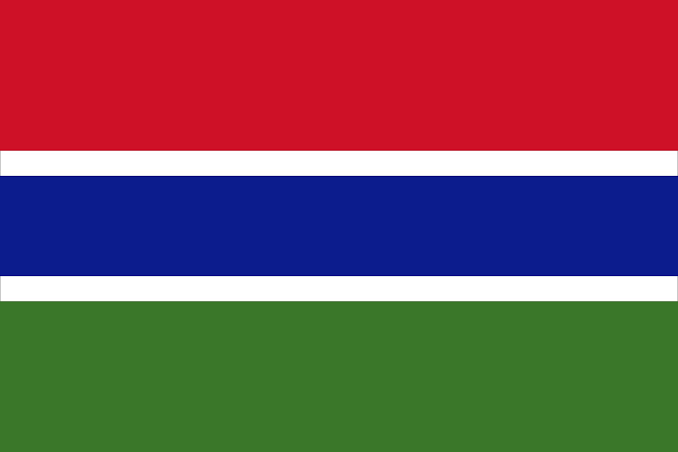
The Gambia’s Independent Electoral Commission (IEC) has accepted the nomination papers of five people for the country’s December 5 presidential election, including incumbent President Adama Barrow and veteran opposition leader Ousainou Darboe.
The five candidates whose papers had been accepted by November 12 were Barrow of the National People’s Party (NPP), Darboe of the United Democratic Party (UDP), Talib Ahmed Bensouda of the UNITE movement, independent candidate Isatou Touray and Modou Lamin Sima of the Alliance of Progressive Citizens. The IEC’s day 10 update said their nomination papers were in order.
The list was reported by AFP, whose story was carried by Africanews. At the time of the IEC update, however, the nomination period was still due to continue until November 14. Some other aspirants were still being reviewed or asked to provide further documentation and voter signatories. The five names therefore describe the candidates accepted at that stage, rather than necessarily a final, closed list.
Barrow seeks another term
Barrow is seeking a third term. The 1997 constitution permits presidents to serve more than two terms, and the country has not adopted a replacement constitution that would impose a presidential term limit. Draft constitutions that would have introduced such limits were rejected by lawmakers, AFP reported.
Barrow first came to power in 2016, defeating longtime leader Yahya Jammeh. His victory ended Jammeh’s 22-year rule. Jammeh left The Gambia in 2017 and has remained in exile in Equatorial Guinea, although he continues to have supporters and comment on Gambian politics.
Barrow’s decision to run again is politically significant partly because many Gambians had expected a new constitution after the 2016 change of government. That constitution was expected to include a two-term limit. With those proposals twice rejected, the current constitutional framework allows Barrow to contest another election.
Darboe and the opposition field
Darboe, who leads the UDP, is one of Barrow’s most prominent challengers. A former vice president, he has contested several presidential elections and finished as runner-up in earlier races, according to AFP. His candidacy gives the election a familiar contest between two figures who have shaped Gambian politics since the end of Jammeh’s rule.
Bensouda, the UNITE candidate, is another closely watched contender. He was formerly a member of the UDP and served as mayor of Kanifing, a large municipal area near Banjul. AFP described him as a popular candidate among younger Gambians, with rallies drawing sizable crowds in recent months. He resigned as mayor to pursue the presidential race.
His candidacy has also drawn attention because of allegations raised in a government report about financial impropriety during his time in municipal office. Bensouda’s party called the report a political manoeuvre, AFP reported. The IEC’s November 12 update said his nomination papers were in order and accepted. The allegations should be distinguished from the electoral commission’s decision on his nomination: acceptance of his papers does not resolve the underlying dispute.
Touray’s acceptance marks another milestone in the country’s electoral history. The physician and former vice president is the first woman reported to have been accepted as a presidential candidate in The Gambia. Sima, representing the Alliance of Progressive Citizens, completes the five names confirmed in the commission’s update.
Nomination review and election timetable
The IEC began receiving nomination papers on November 3 and scheduled the process to run through November 14. Its updates have tracked whether candidates met requirements, including documentation and sufficient registered-voter signatories. On November 12, the commission said some applications remained under review, while it had rejected others for stated eligibility or documentation concerns.
The presidential vote is scheduled for December 5, with campaigning due to begin on November 16, according to Africanews’ report. The IEC’s electoral calendar also lists December 5 as election day.
The campaign is unfolding amid public frustration over prolonged power cuts. AFP reported that blackouts beginning in June led to spontaneous protests in which demonstrators blocked roads and called for Barrow to step down. Bensouda gained political traction during that period, including in regions considered strongholds of the incumbent.
For voters, the accepted candidates set the shape of the contest, but the remaining nomination reviews still matter. The IEC’s final list will clarify who has completed the process and can appear on the ballot. With Barrow seeking another term, Darboe returning as a major opposition figure and Bensouda drawing attention from younger voters, the election will test both the strength of the incumbent and the ability of challengers to turn public dissatisfaction into votes.