Sudan has proposed establishing a free economic zone along its Red Sea coast as it seeks to strengthen economic and military cooperation with Russia, reopening discussions about Moscow’s long-standing interest in securing a strategic foothold in the region.
The proposal was presented during discussions between Sudanese and Russian officials in Moscow in late October 2026, according to sources cited by Sudan Tribune.
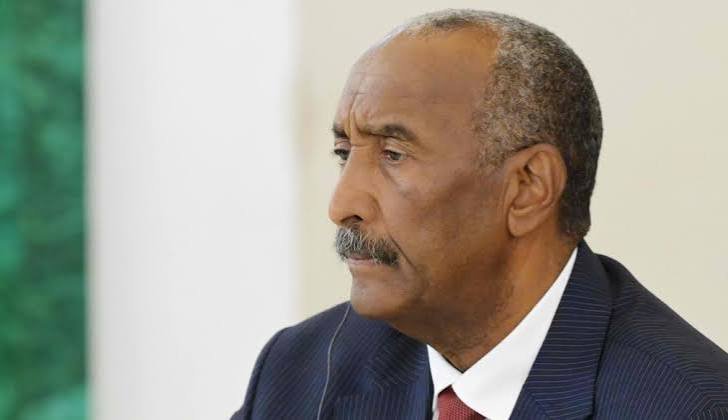
The talks took place around the Russia-Africa Summit and included a meeting between Russian President Vladimir Putin and Sudan’s military leader, General Abdel Fattah al-Burhan, on October 30.
The proposed economic zone is expected to provide Russia with facilities for storing essential supplies, including wheat, fuel and other goods. It could also offer Moscow a logistical presence along one of the world’s most important maritime trade routes.
The initiative comes as Sudan continues to explore ways of obtaining military assistance from Russia while seeking international backing for its army amid the ongoing conflict with the paramilitary Rapid Support Forces (RSF).
Although the proposal is being presented as an economic arrangement, it could also have significant strategic implications because it revives questions surrounding a possible Russian naval facility in Port Sudan.
Sudan proposes economic alternative to Russian naval base
Discussions about a Russian military presence on Sudan’s Red Sea coastline have continued for several years.
Under an agreement reached in 2020, Sudan had considered allowing Russia to establish a naval logistics support facility in Port Sudan. The arrangement has remained subject to parliamentary ratification, with both countries periodically denying that a new agreement has been finalised.
The latest proposal for a free economic zone could provide a different framework for cooperation.
Rather than presenting the arrangement exclusively as a military installation, the proposed zone would accommodate Russian facilities for storing food, petroleum products and other supplies.
This approach could help address concerns among countries worried about the military and geopolitical consequences of a permanent Russian naval presence near the Red Sea.
However, the economic zone proposal does not necessarily mean that plans for a naval base have been abandoned. Sudan Tribune reported that closed-door discussions had reopened negotiations over both a Russian logistics support point and a potential naval facility.
The full terms of the proposed economic arrangement have not been publicly disclosed, and neither government has announced a final agreement establishing the zone.
Russia seeks strategic access to the Red Sea
The Red Sea remains a significant area of international strategic interest because it connects the Mediterranean Sea to the Indian Ocean through the Suez Canal and the Bab el-Mandeb Strait.
A substantial volume of international shipping passes through these waterways, making the region important for global trade, energy transportation and military operations.
A logistics facility in Sudan would give Russia access to a strategically positioned coastline close to major international shipping routes.
Moscow has sought to expand its military and diplomatic relationships across Africa, and a potential naval presence in Sudan could strengthen its ability to support maritime operations beyond its traditional areas of influence.
The proposed arrangement has therefore attracted attention beyond Sudan and Russia.
The United States, European countries, Egypt and Saudi Arabia have been identified as countries with concerns about the possible establishment of a Russian naval base on the Red Sea.
Their concerns relate to the potential effects on maritime security, regional military competition and the balance of influence around important shipping routes.
For Sudan, however, cooperation with Russia could provide access to infrastructure investment, military supplies and diplomatic support at a time when the country is facing major political and economic challenges.
Sudan seeks Russian weapons and military equipment
Beyond the proposed economic zone, the Moscow discussions also involved Sudan’s interest in acquiring advanced military equipment.
A high-level Sudanese delegation, which reportedly included intelligence officials and representatives of the country’s defence industry, sought Russian drones, air defence systems, ammunition and spare parts.
These supplies are particularly important to Sudan’s military authorities as the war against the RSF continues.
The conflict, which began in April 2023, has devastated large parts of the country, displaced millions of people and weakened public institutions.
Sudan’s army has been seeking additional military resources as it attempts to regain control of territory held by the paramilitary force.
According to Sudan Tribune, Khartoum offered Moscow concessions involving gold, copper and other mineral resources in exchange for military equipment and related supplies.
The reported arrangement would deepen economic ties between the two countries while giving Russia access to Sudan’s mineral sector.
However, the details of any proposed mining concessions and military supply agreements have not been officially published.
The Sudanese delegation also reportedly urged Russia to take a stronger position in support of the Sudanese army’s international legitimacy, while expressing appreciation for Moscow’s position at the United Nations Security Council.
Putin calls for an end to Sudan’s war
During his meeting with Burhan, Putin reportedly stressed the need to end hostilities in Sudan and move towards a political settlement.
The Russian president also expressed Moscow’s readiness to contribute to mediation efforts or serve as a guarantor in initiatives aimed at stabilising conflicts surrounding Sudan.
His comments indicate that Russia is seeking to maintain a diplomatic role alongside its economic and military interests in the country.
Sudan’s military leadership, meanwhile, has continued to pursue international relationships that could strengthen its position in the conflict.
The country’s authorities are also facing pressure to address the humanitarian consequences of the fighting and establish a political framework for the period after the war.
Both sides reportedly agreed to expand cooperation beyond defence and security, identifying education, healthcare, infrastructure and digital development as additional areas for collaboration.
They also referred to the need for a Sudanese-led democratic transition once stability has been restored.
What the proposed deal could mean for Africa
A Russian economic and logistics presence on Sudan’s Red Sea coast could have consequences extending beyond the two countries.
For Sudan, the arrangement could attract investment, create storage and logistics infrastructure, and provide additional commercial opportunities along its coastline.
It could also strengthen the country’s relationship with Moscow and potentially improve access to military equipment and other strategic supplies.
For Russia, the proposed zone could offer a valuable position near international maritime routes while expanding its commercial and diplomatic presence in Africa.
However, the initiative could also increase geopolitical competition in the Red Sea region, particularly if economic facilities eventually become connected to a permanent military presence.
The proposal remains at the discussion stage, and important questions surrounding its legal framework, financing, location and implementation have yet to be answered publicly.
Sudan is also still fighting a devastating internal war, meaning the government’s ability to deliver major infrastructure projects will depend heavily on the country’s security and political situation.
For now, the Moscow talks demonstrate Sudan’s interest in deepening its relationship with Russia through a combination of economic cooperation, military assistance and diplomatic engagement.
Whether the proposed free economic zone becomes a reality could have important implications for Sudan’s economy and the strategic balance around the Red Sea.