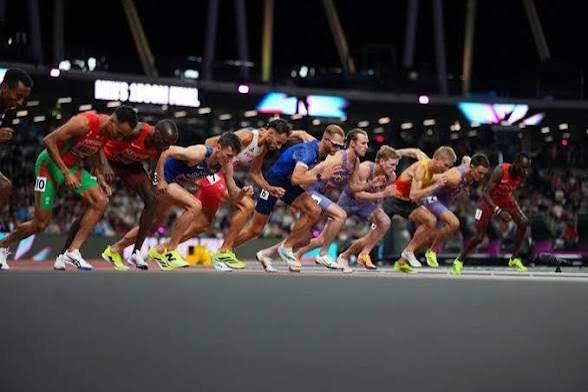
Kenya’s historic opportunity to host the 2029 World Athletics Championships is attracting renewed attention, with questions emerging over the country’s ability to address doping concerns and deliver the competition to international standards.
Nairobi was selected in September 2026 to host the championships, making Kenya the first African country to stage the senior World Athletics Championships. The decision was widely welcomed across the continent as a significant milestone for African sport.
However, the excitement surrounding the hosting rights is being accompanied by closer examination of Kenya’s preparations, particularly its record on doping violations and the condition of sporting facilities.
The debate has intensified following fresh developments involving Kenyan athletes and warnings from athletics officials that the country still has important work to complete before the 2029 competition.
Why Kenya’s 2029 World Athletics Hosting Rights Matter
The decision to award Nairobi the 2029 championships represents a major moment in the history of international athletics.
For decades, the competition has been staged outside Africa, despite the continent producing some of the world’s most successful middle-distance, long-distance and marathon runners.
Kenya’s selection changes that situation and gives African athletes, supporters and sports administrators an opportunity to experience the championship on home soil.
Nairobi secured the hosting rights after competing against bids from London, Rome and Munich. World Athletics announced the decision following its council meeting in Budapest on September 15, 2026.
World Athletics President Sebastian Coe described Nairobi’s proposal as compelling, pointing to Kenya’s athletics heritage, public enthusiasm for the sport and growing experience in organising international competitions.
Doping Concerns Remain a Major Challenge
Despite the excitement surrounding the event, Kenya’s record on doping remains one of the biggest issues facing its preparations.
According to Reuters, more than 140 Kenyan athletes have been sanctioned for doping violations since the Athletics Integrity Unit (AIU) was established in 2017.
Coe acknowledged that Kenya has made progress in tackling the problem, crediting increased government funding and more extensive testing. However, he warned that significant challenges remain and that the issue will attract additional attention as Nairobi prepares to host the global championship.
The issue received further attention on October 29, when former New York City Marathon champion Peres Jepchirchir was provisionally suspended following a positive test for erythropoietin (EPO) in a sample collected before her Sydney Marathon victory.
The case has generated concern among Kenyan athletes and raised questions about the country’s efforts to protect the reputation of its clean competitors.
However, the suspension is provisional, and the case remains subject to the relevant anti-doping procedures, including the opportunity for further testing and any appeal.
Kenya Must Complete Major Stadium Improvements
Beyond anti-doping measures, infrastructure development will be central to determining whether Nairobi can deliver the championships successfully.
Moi International Sports Centre, Kasarani, has been designated as the main competition venue. The stadium is already undergoing major renovations ahead of the 2027 Africa Cup of Nations, which Kenya will co-host with Uganda and Tanzania.
The government has indicated that further improvements will be made to ensure the facility meets World Athletics requirements for the 2029 event.
Nyayo National Stadium and Ulinzi Sports Complex have also been identified as potential training venues. Sports Principal Secretary Elijah Mwangi said the facilities would undergo technical inspections to establish what upgrades are necessary.
The assessments will consider track surfaces, lane measurements, warm-up areas and other requirements needed to provide athletes with suitable training conditions.
The government has also reaffirmed its commitment to meeting the financial and organisational obligations associated with hosting the competition.
During a meeting with Coe in October, President William Ruto pledged that Kenya would make the necessary resources available and ensure that the country’s responsibilities were fulfilled.
World Athletics Expects Strong Public Support
Kenya’s passion for athletics was an important factor in its successful bid.
Research cited by World Athletics found that 68 per cent of Kenyans surveyed expressed a high level of interest in athletics, compared with a global average of 39 per cent.
The country also has a strong record in international competition. Kenya finished second in the medal standings at the 2025 World Athletics Championships in Tokyo, collecting seven gold medals and 11 medals overall.
Its history includes celebrated athletes such as Eliud Kipchoge, Faith Kipyegon, David Rudisha, Hellen Obiri and Kip Keino.
Coe has encouraged Kenya to translate that enthusiasm into strong attendance, saying full stadiums would help create an exciting atmosphere for competitors and spectators.
A Historic Opportunity for African Athletics
The 2029 championships will be more than a major sporting event for Kenya. They will also represent an opportunity to expand athletics across Africa and create greater visibility for the continent’s athletes.
Hosting the competition could encourage investment in sports facilities, coaching, youth development and event management. It may also create business opportunities in tourism, hospitality, transportation and broadcasting.
Other African countries could benefit from the experience gained by Kenyan organisers, particularly as the continent seeks to attract more international sporting competitions.
However, the potential benefits will depend on effective planning, transparent management and the ability to maintain upgraded facilities after the championship concludes.
Kenya Faces a Test Before 2029
Kenya has secured the hosting rights, but delivering a successful championship will require more than its reputation as an athletics powerhouse.
The country must continue improving its stadiums, strengthen anti-doping enforcement, coordinate government agencies and ensure that athletes and visitors receive the facilities and services expected at a global competition.
The latest developments involving Kenyan athletes demonstrate why anti-doping efforts will remain under close examination in the years leading up to the event.
For Africa, Nairobi’s selection is a historic achievement. For Kenya, the responsibility now is to turn that opportunity into a well-organised championship that meets international standards and leaves a lasting sporting legacy.