The Ethiopian Orthodox Tewahedo Church has reported that at least 60 of its members were killed in two attacks in the country’s Oromia region, prompting renewed calls for stronger civilian protection and accountability.
In a statement issued on October 26, 2026, the Church’s Holy Synod said the killings occurred in the Arsi Zone on October 20 and October 24. The Church also reported that 20 people suffered serious injuries and called on federal and regional authorities to take urgent steps to protect vulnerable communities.
The attacks have heightened concerns over security in parts of Oromia, where communities have experienced repeated violence and displacement. Responsibility for the latest killings has not been independently established.
Church details deadly attacks in two districts
According to the Holy Synod, the first attack occurred on October 20 in Gora Silingo, within Angada Kebele in Merti district. The Church said 14 people were killed.
A second and deadlier attack took place on October 24 in the areas of Tereta Chole and Birbo in Shirka district, where another 46 people reportedly lost their lives. Together, the two incidents account for the 60 deaths cited by the Church.
The Synod described the victims as Orthodox Christian worshippers and expressed grief over the loss of life. It also said the violence had contributed to a wider atmosphere of fear among local residents.
Separate accounts reported that homes belonging to church members were burned and that many residents had fled their communities. The details and scale of damage have not been independently confirmed in full.
Ethiopian Orthodox Church demands government action
Following the killings, the Holy Synod urged Ethiopia’s federal government and regional security authorities to publicly condemn the attacks and take concrete steps to prevent further violence.
The Church called for the protection of civilians, the arrest of those responsible and legal action against anyone found to have participated in the killings. It also stressed that the right to life and freedom of religion must be protected under Ethiopia’s constitution.
Church leaders said they had raised concerns about insecurity in affected communities before the latest incidents but remained worried about the continuing threat to residents.
The Synod also announced plans to meet senior government officials to discuss longer-term security measures. It said a committee of clergy, religious scholars and legal experts would be formed to examine the situation and explore possible ways to address the recurring violence.
Church organises prayers for victims
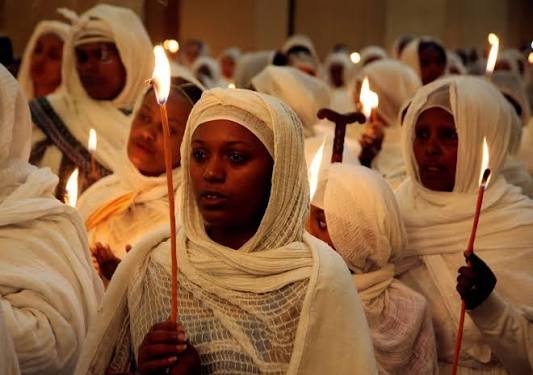
The Ethiopian Orthodox Tewahedo Church organised a memorial prayer service at its patriarchal headquarters on October 26 to honour those who died.
The Holy Synod also directed churches and monasteries affiliated with the denomination, including those outside Ethiopia, to hold prayers for the victims following the Divine Liturgy on October 27.
The religious observances are intended to commemorate the dead and offer support to grieving families as affected communities cope with the aftermath of the attacks.
For residents who have fled their homes or lost relatives, however, concerns extend beyond mourning. The safety of returning to their communities and the possibility of further attacks remain major issues.
Responsibility for the attacks remains disputed
The Church’s statement did not identify those responsible for the killings. A local government official separately blamed a newly formed rebel coalition known as the Alliance for Survival, which reportedly includes the Oromo Liberation Army (OLA). The allegation has not been independently verified, and the OLA’s responsibility for the latest attacks has not been established. The group has denied involvement in similar incidents in the past.
The distinction is important as authorities investigate the violence. Establishing responsibility through credible evidence will be necessary to ensure accountability and avoid further tensions between communities.
Oromia, Ethiopia’s largest region, has experienced prolonged insecurity involving armed groups and government forces. Reports from the area have documented violence against civilians, displacement and attacks affecting religious communities. Previous incidents have also affected Muslims, underscoring the broader risks facing residents in conflict-affected areas.
Renewed concerns over civilian protection in Oromia
The latest killings have drawn attention to the challenges of protecting civilians in areas where armed violence continues. When attacks occur repeatedly, families can be forced to leave their homes, local services can be disrupted and communities may become increasingly fearful of further assaults.
The Church’s appeal places pressure on authorities to move beyond public condemnation and deliver practical security measures, including effective investigations, protection for at-risk communities and accountability for perpetrators.
Whether these steps can be implemented effectively will be important in determining if residents can return home safely and whether further attacks can be prevented.
The Ethiopian Orthodox Tewahedo Church says 60 of its members were killed in two attacks in Oromia’s Arsi Zone on October 20 and 24. It has called for a thorough investigation, stronger protection for civilians and legal action against those responsible.
Although a local official has blamed a rebel coalition, responsibility for the attacks remains unconfirmed. The immediate priority is to establish the facts, support affected families and improve security for communities facing repeated violence.