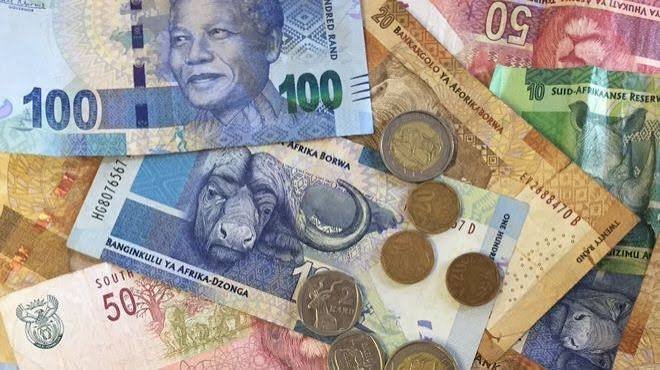
South Africa’s rand traded with limited movement against the US dollar on Monday, October 26, 2026, as investors adopted a cautious approach ahead of key domestic economic releases and the United States Federal Reserve’s upcoming interest-rate decision.
The currency was trading at approximately R16.61 to the US dollar in early dealings, broadly unchanged from its previous close. The subdued movement reflects a market waiting for fresh economic signals before making significant bets on the direction of the rand.
Investors are preparing for several month-end economic reports from South Africa, including figures on money supply, private-sector credit, the trade balance, the government budget balance and producer inflation for September.
At the same time, attention is turning to the Federal Reserve’s policy meeting scheduled for October 28. The outcome could influence global financial conditions and investor appetite for emerging-market currencies such as the rand.
The combination of local economic indicators and US monetary policy is expected to shape the currency’s near-term performance.
Domestic economic figures in focus
South African financial markets are preparing for a series of data releases that could offer a clearer picture of the country’s economic position.
Money supply figures will provide information about the amount of money circulating in the economy, while private-sector credit data will help investors assess borrowing activity among households and businesses.
The trade balance is another important indicator because it measures the difference between the value of exports and imports. A stronger trade position can support demand for the rand, although currency movements also depend on international market conditions and investor sentiment.
Meanwhile, the government budget balance will offer fresh insight into public finances, including the relationship between government revenue and expenditure.
September producer inflation data will also be closely watched. Changes in prices charged by producers can provide an early indication of inflationary pressures that may eventually affect consumers and influence monetary policy.
Investors will assess the figures collectively rather than relying on one report alone. Stronger-than-expected results could improve confidence in South Africa’s economic outlook, while weaker data may create uncertainty over growth and the currency’s direction.
Federal Reserve decision could influence the rand
The US Federal Reserve remains a major influence on currency markets, particularly for emerging economies that depend on foreign investment.
Investors are expecting the Fed to announce its latest policy decision on Wednesday, October 28. Market expectations reported on Monday pointed towards interest rates remaining unchanged at this meeting, although traders were also considering the possibility of another increase in December. According to the CME FedWatch Tool, the probability of a December rate hike stood at 75% at the time of reporting.
A decision to maintain rates could provide some stability for global markets, but investors will also examine the Fed’s statements for clues about its next move.
Higher US interest rates can make dollar-denominated investments more attractive, potentially drawing funds away from emerging markets. That can place pressure on currencies such as the rand. Conversely, expectations of lower borrowing costs in the United States may encourage investors to seek returns in other markets.
The relationship is not automatic, however. Inflation, commodity prices, domestic economic performance and geopolitical developments can also influence the rand’s value.
Government bond yields remain in focus
South Africa’s government bond market was also relatively steady during early trading on Monday.
The yield on the country’s benchmark 2035 government bond stood at 8.635%, according to the market update. Bond yields matter because they influence borrowing costs for the government and can affect the returns investors demand when lending money.
Movements in bond yields can also provide clues about how investors view inflation, public finances and future interest-rate decisions.
If investors become more concerned about inflation or fiscal risks, they may demand higher yields to hold government debt. Improved confidence, on the other hand, can help support bond prices and reduce yields.
For South Africa, the latest domestic economic data will be important in determining whether market confidence can be sustained as global investors await the Fed’s announcement.
What could happen to the rand next?
The rand’s immediate direction will likely depend on how incoming economic figures compare with market expectations and whether the Federal Reserve offers any surprises.
Stronger local data could support confidence in South Africa’s economic outlook. However, if the figures point to weaker economic activity or deteriorating public finances, the currency could face renewed pressure.
Developments in US monetary policy may prove equally important. A more cautious outlook from the Fed could influence global investment flows, while signals of further rate increases could strengthen demand for the dollar.
For now, the rand’s relatively stable performance suggests investors are waiting for clearer signals rather than committing to a strong direction.
The coming days will provide more information about South Africa’s economic conditions and the international interest-rate environment. Until those signals become clearer, currency traders are likely to remain cautious.