Emergency crews in Kenya are searching through the remains of a multi-storey building that collapsed in Nairobi, raising fears that workers, traders and other people may be trapped beneath the debris.
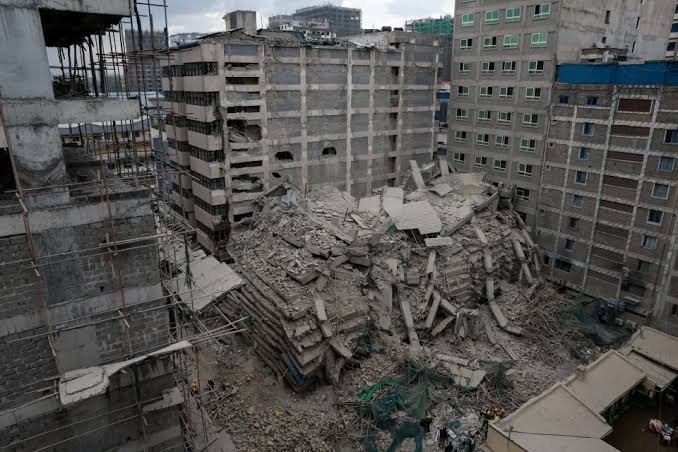
The building came down on Friday, October 23, 2026, in Eastleigh, a busy commercial neighbourhood of the capital known for its crowded streets and numerous businesses. The collapse reduced much of the unfinished structure to a large pile of concrete and twisted construction materials.
Police and civil defence personnel moved into the area as rescue efforts began. However, the operation faced significant challenges because of the amount of rubble, concerns about the stability of nearby structures and an initial shortage of heavy machinery.
Authorities had not established how many people were missing beneath the wreckage, leaving families anxiously waiting for information about their relatives.
Building Collapses During Construction
The structure was still being built when it collapsed at around 1 p.m. local time. Nairobi police chief Issa Mohamud said the building had more than 10 upper floors under construction.
The disaster occurred along a busy commercial street where traders, residents and workers regularly gather. The presence of businesses on the lower levels raised additional concerns about the number of people who could have been inside when the structure came down.
A construction worker who escaped described hearing people shouting warnings before the building collapsed. He said he managed to get outside shortly before the structure gave way, while expressing fears that some of his colleagues might have been trapped in the basement.
One injured woman was rescued and taken to hospital, according to the police chief. Another person reportedly heard calling for help later fell silent, adding to concerns about the urgency of the rescue operation.
Rescue Efforts Hampered by Limited Equipment
Rescue workers initially had limited heavy equipment available to move the concrete and steel covering the site. Some responders used basic tools to examine the debris for possible survivors before excavators arrived to clear heavier sections.
The immediate priority was to reach the ground floor and basement, where people may have been caught when the structure collapsed. The lower part of the building reportedly contained businesses, including an electronics shop, a butchery and a grocery store.
The operation was made more difficult by concerns that the damaged building could collapse further. Police warned that the structure was leaning against a neighbouring building, creating an additional danger for rescuers and people in the surrounding area.
Authorities worked to secure the site and create access for emergency teams. Police also used tear gas to disperse people reportedly looting nearby shops as officers attempted to clear the area for rescue operations.
Families Wait for News of Missing Relatives
The collapse left relatives searching for information about loved ones who may have been inside the building.
Some residents said they had received telephone calls from family members shortly after the disaster, with callers asking for help from beneath the wreckage. Those calls later became unreachable, increasing fears among families waiting near the scene.
A designated area was established where people could report missing relatives and provide information that might assist the search teams.
The number of people who could be trapped remained uncertain in the initial reports. Authorities therefore faced the difficult task of searching the debris while trying to establish who had been inside the building at the time of the collapse.
Emergency officials urged members of the public to keep away from the immediate site so that rescue workers could operate without further obstruction.
Governor Raises Questions Over Building Approval
The disaster has renewed concerns about construction safety and the enforcement of building regulations in Nairobi, where previous building collapses have prompted scrutiny of developers and county authorities.
Nairobi Governor Johnson Sakaja said the building had received approval for construction but did not possess an occupancy certificate. He said the use of the ground floor for commercial activities while construction continued above was not permitted.
An occupancy certificate is an official document confirming that a building meets the relevant requirements for use. The governor argued that stronger enforcement powers and tougher penalties were needed to discourage developers from disregarding regulations.
The building’s approval status and the absence of an occupancy certificate are important issues for investigators, but they do not by themselves establish the cause of the collapse.
Police chief Mohamud said an investigation would be conducted and that those found responsible for negligence could face legal consequences.
Nairobi Faces Renewed Scrutiny Over Construction Standards
Building collapses have remained a recurring concern in Kenya’s capital, where rapid urban development has increased demand for residential, commercial and mixed-use properties.
Questions have repeatedly been raised about whether construction projects receive adequate inspections and whether developers comply with approved designs, safety requirements and building standards.
The latest incident is likely to intensify calls for more effective oversight throughout the construction process, from the approval of building plans to inspections during construction and authorisation before occupation.
Experts commonly identify structural design problems, substandard materials, unauthorised modifications and inadequate supervision as potential contributors to building failures. However, investigators will need to examine the evidence from this particular site before determining what caused the Nairobi collapse.
A thorough investigation could also establish whether the building’s construction matched its approved plans and whether relevant authorities carried out the required checks.
Search for Survivors Remains the Immediate Priority
As emergency personnel continued working through the debris, the main concern remained the possibility of reaching survivors and identifying anyone still missing.
The scale of the destruction, the uncertainty over the number of people inside and the risk posed by unstable structures made the response particularly challenging.
The disaster also highlights the consequences that can follow when construction safety and building oversight come under scrutiny. Beyond the immediate search, investigators will be expected to determine how the collapse occurred and whether any regulatory failures contributed to it.
For families waiting for news, however, the urgent priority is more immediate: finding their loved ones and receiving reliable information about their fate.