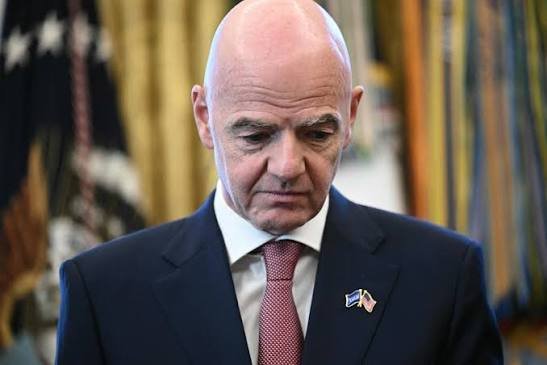
British newspaper The Times has apologised to FIFA president Gianni Infantino after retracting allegations about his salary arrangements and a property deal in Miami, Florida.
The newspaper acknowledged that its report, published on October 13, 2026, contained inaccurate information. Its correction, issued on October 20, addressed claims that Infantino received an undisclosed second salary from FIFA and purchased a Miami property at a price below its market value.
The reversal has drawn renewed attention to the responsibilities of media organisations when reporting on the finances and private affairs of prominent sports officials.
Newspaper Withdraws Claims About Infantino’s FIFA Compensation
The original report suggested that Infantino had received additional compensation that FIFA had not disclosed in its annual financial statements.
However, The Times subsequently clarified that the FIFA president had not received a second salary. Under the applicable Swiss reporting rules, certain expenses and reimbursements paid to Infantino do not qualify as compensation and therefore do not have to be reported as salary.
The correction removed the basis for the newspaper’s allegation that FIFA had concealed a second payment arrangement involving its president.
The newspaper apologised to both Infantino and FIFA for the reporting errors, acknowledging that the information it had published was incorrect.
Miami Property Allegations Also Retracted
The apology also addressed claims involving a Miami property and a company called Shadi LLC.
The newspaper had previously suggested that Infantino purchased a property at a price below its suspected market value. It later withdrew that claim, acknowledging that the reported transaction had not occurred as described.
It also clarified that neither Infantino nor members of his family are the legal or beneficial owners of Shadi LLC, nor do they control the company.
These corrections were significant because the initial reporting had connected the FIFA president to questions about property ownership and financial dealings in Miami.
With its revised statement, The Times formally apologised for the inaccuracies surrounding both the alleged salary arrangement and the property claims.
FIFA Responds to the Newspaper’s Apology
FIFA welcomed the correction but used the incident to call for greater responsibility in reporting on the organisation and its leadership.
The governing body said journalists should carefully verify their sources before publishing allegations that could damage reputations. It maintained that legitimate scrutiny of FIFA was welcome, but argued that inaccurate claims should not be presented as established facts.
FIFA also reiterated its position that it would challenge reporting it considers false, misleading or defamatory.
The organisation’s response reflects the tension between the need for independent scrutiny of international football’s governing body and the importance of ensuring that serious allegations are supported by reliable evidence.
Infantino’s Leadership Continues to Attract Attention
The controversy comes at a time when FIFA and its president remain subjects of wider debate over the organisation’s governance, finances and commercial decisions.
Infantino has faced criticism in other areas of his leadership, including a proposed investment arrangement involving the commercial rights to FIFA competitions. That separate controversy attracted questions about transparency and consultation within international football.
However, The Times’s apology concerns the specific allegations about a second salary and the Miami property. The correction should not be interpreted as resolving unrelated questions surrounding FIFA’s management or other decisions made under Infantino’s presidency.
The episode nevertheless demonstrates how inaccurate reporting can quickly escalate into a dispute involving major international institutions and prominent public figures.
What the Retraction Means for FIFA and Sports Journalism
The apology gives Infantino and FIFA a public correction of claims that raised questions about the president’s personal finances and property dealings.
It also serves as a reminder of the importance of distinguishing verified information from allegations, particularly when reporting on financial arrangements, corporate ownership and public figures.
For sports journalism, the case highlights the need for careful document checks, clear sourcing and prompt corrections when errors occur. FIFA, meanwhile, continues to face the broader responsibility of maintaining public confidence in its leadership and decision-making.
The immediate outcome is clear: The Times has withdrawn the claims about Infantino’s alleged second salary and Miami property purchase and apologised for the errors. The wider debate about accountability in football, however, extends beyond this particular dispute.