Burundi has marked the 33rd anniversary of the assassination of Melchior Ndadaye, the country’s first democratically elected president, with commemorations that have renewed discussion about political freedom, multiparty democracy and the direction of the country’s political system.
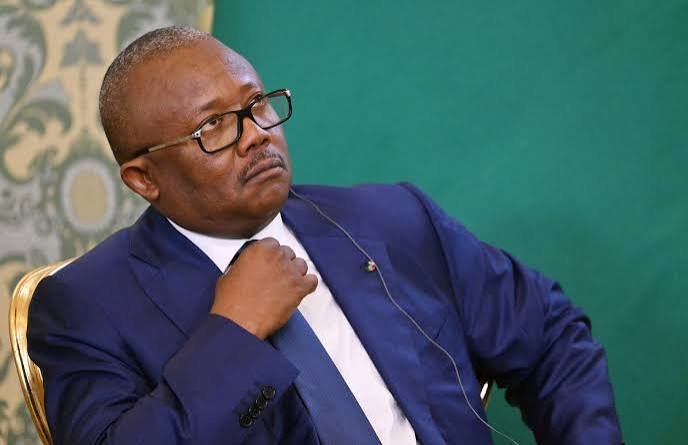
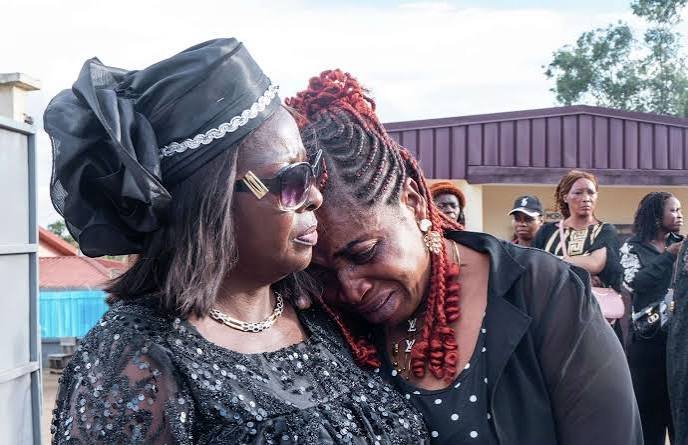
The remembrance ceremonies took place on Wednesday, October 21, 2026, at Heroes of Democracy Square in the capital, Bujumbura. President Évariste Ndayishimiye and other participants paid tribute to Ndadaye and associates who were killed during the failed military coup of October 20–21, 1993. A religious service was also held in memory of those who lost their lives during the events.
While the occasion honoured a defining figure in Burundi’s democratic history, it also provided an opportunity for political leaders to assess the country’s progress since the violence of 1993. Their views differed, particularly over whether political pluralism is being protected adequately.
Opposition Leaders Warn of Democratic Setbacks
Olivier Nkurunziza, who leads the Union for National Progress (UPRONA), said that maintaining peace was not enough to guarantee a functioning democracy. He argued that Burundi must ensure political competition remains meaningful and prevent a return to a system dominated by a single party.
His comments reflected concerns that the democratic principles associated with Ndadaye’s presidency have yet to be fully realised. Although the country has moved beyond the civil war that followed the 1993 assassination, questions remain about the ability of different political groups to operate and compete on equal terms.
Gabriel Banzawitonde, president of the APDER party, also expressed concern about the state of political competition. He acknowledged that Burundi had made progress since the introduction of multiparty elections but argued that the ruling party had accumulated too much influence over the country’s political life.
The criticism highlights a broader issue facing Burundi: how to preserve stability while ensuring that political institutions allow genuine competition, public participation and accountability.
Ruling Party Supporters Offer a Different Assessment
Not all political leaders shared the same assessment of Burundi’s democratic development.
Jean De Dieu Mutabazi, head of the RADEBU party, argued that the country had made progress in establishing democratic institutions and allowing multiple political parties to operate. However, he acknowledged that democratic standards were not always fully respected.
The differing opinions show that Burundi’s political landscape remains contested. While some leaders emphasise the need for stronger protections for opposition parties and more balanced political competition, others point to the existence of multiparty institutions as evidence of progress.
The central question is whether these institutions provide enough space for competing political views to influence public policy and challenge those in power. The anniversary commemorations brought that debate into focus at a moment when the country continues to reflect on the promises made during its transition towards democratic government.
Ndadaye’s Assassination Changed Burundi’s History
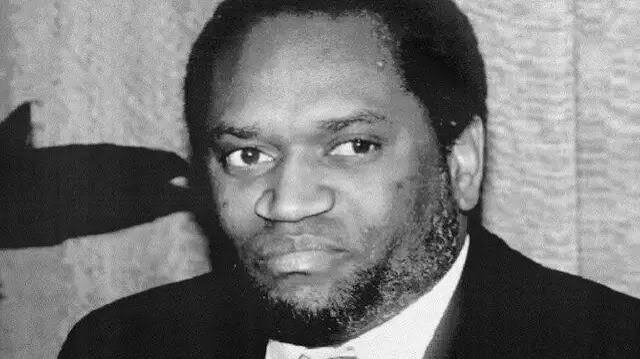
Ndadaye became president in 1993 after winning Burundi’s first democratic presidential election. His victory was a landmark moment for the country, which had experienced decades of political instability and leadership dominated by a narrow political and military establishment.
However, his presidency lasted only about three months. He was killed on October 21, 1993, during an attempted military coup, alongside several close associates.
His assassination triggered a period of intense violence and contributed to the outbreak of a civil war that lasted until 2005. The conflict was marked by ethnic violence, mass displacement and extensive loss of life, leaving deep divisions across Burundian society.
Ndadaye’s death became a powerful symbol of the risks facing democratic transitions when political disputes are resolved through violence rather than constitutional processes.
His legacy remains closely associated with the principle that citizens should be able to choose their leaders through elections and that political authority should reflect the will of the electorate.
Burundi’s Continuing Democratic Challenge
More than three decades after the assassination, Burundi has moved beyond the civil war, but questions about the strength of its democratic institutions continue to shape political debate.
For critics of the current political environment, peace must be accompanied by protections for opposition parties, respect for democratic rules and opportunities for citizens to participate meaningfully in public life.
The competing assessments presented during the anniversary also underline the importance of distinguishing between the existence of political institutions and how effectively they function. Elections and registered parties may provide a formal framework for democracy, but political pluralism also depends on whether different voices can operate and compete in practice.
For Burundi, the challenge is to build on the relative stability achieved after years of conflict while ensuring that democratic principles are upheld consistently.
The annual commemoration of Ndadaye’s assassination therefore serves as more than a remembrance of a former president. It is also a moment to consider how far the country has come since 1993 and whether the political ideals associated with his presidency are being realised.
As Burundi remembers its first democratically elected leader, the debate over democracy remains central to the country’s political future.