Cameroon is facing mounting public pressure to tackle the killing of women following a rise in reported cases of gender-related violence. The deaths have triggered protests and renewed calls for stronger legislation, improved investigations and better protection for women experiencing abuse.
One case attracting national attention is the death of Geraldine Achiah, a primary school teacher in her thirties who died in September, less than two months after getting married. Her relatives allege that she was beaten by her husband during a domestic dispute and are demanding justice.
Achiah’s death has become a symbol of wider concerns about violence against women in Cameroon, where campaigners say legal shortcomings, economic hardship and weaknesses in the justice system make it difficult to prevent abuse and hold perpetrators accountable.
According to figures from Cameroon’s Ministry of Women’s Affairs cited by The Associated Press, nearly 70 women had been killed in circumstances linked to their gender in 2026. The reported figures reflect a continuing concern about femicide, although activists warn that some cases may go unreported or remain unresolved.
Geraldine Achiah’s Death Intensifies Calls for Justice
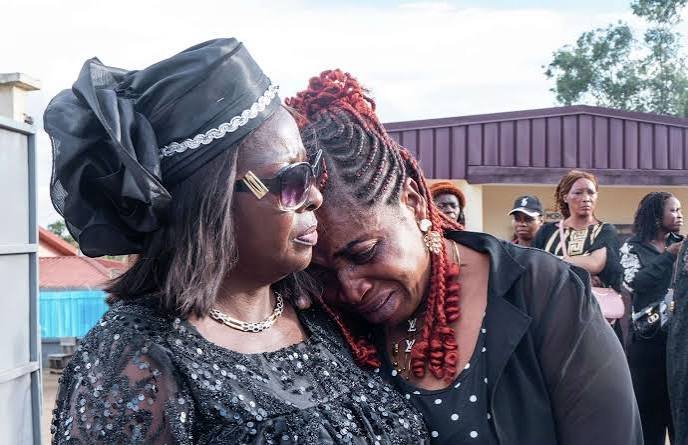
Achiah’s death has left her family grieving and demanding answers. Her 18-year-old son, Courage Abombi, has spoken about the loss of his mother and the difficulty of continuing his education while dealing with the tragedy.
According to police, Achiah’s husband, Manfred Amambua, has denied killing her. He has been charged with murder and is awaiting trial in custody. The allegations against him have not yet been resolved in court.
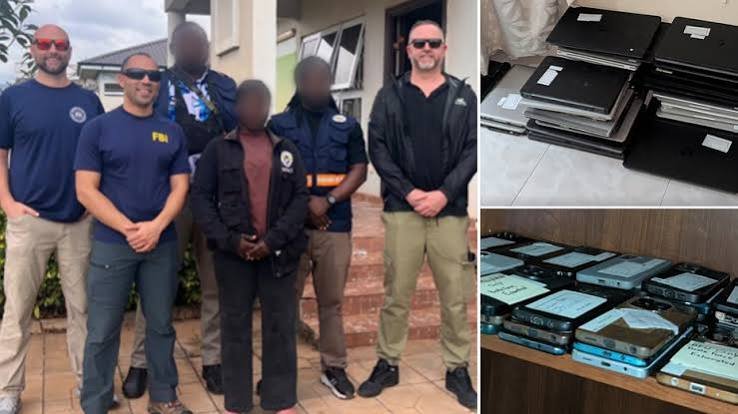
Investigators reportedly collected evidence as part of the case, including medical records documenting injuries and other material they believe may help establish what happened before her death.
For Achiah’s relatives, the case is about more than securing accountability for one death. They want the investigation and subsequent legal proceedings to demonstrate that violence against women will be treated seriously.
Her death has also brought renewed attention to the risks some women face within intimate relationships and the difficulties families can encounter when seeking justice after suspected domestic violence.
Reported Femicide Cases Raise Alarm Across Cameroon
The case comes amid growing concern about the number of women killed in gender-related attacks across the country.
Government figures cited in recent reporting indicate that Cameroon recorded 50 femicide cases in 2023 and 67 in 2024. The latest reports suggest that the problem has continued into 2026, prompting campaigners and women’s rights organisations to demand a stronger response from authorities.
Femicide refers to the killing of women or girls because of their gender. Such killings can occur in domestic settings or other circumstances involving gender-based violence.
Activists say several factors can contribute to the problem, including financial dependence on partners, unequal control over family property, social pressure to remain in abusive relationships and limited access to effective protection.
Economic hardship can make these circumstances more difficult. Women who lack independent income or access to secure housing may feel they have few options when facing violence at home.
Campaigners also warn that the official figures may not provide a complete picture of the situation because some incidents are never reported or do not receive sufficient attention from authorities.
The concern extends beyond Cameroon. United Nations data cited by the Associated Press estimates that around 50,000 women and girls worldwide were killed by intimate partners or family members in 2024.
Cameroon Considers Making Femicide a Separate Criminal Offence
One of the major concerns raised by women’s rights advocates is the absence of a specific legal provision defining femicide as a distinct criminal offence in Cameroon.
Although the country’s Penal Code addresses crimes such as murder and rape, campaigners argue that existing provisions do not adequately recognise the particular circumstances surrounding gender-motivated killings.
Under the current framework, prosecutors generally rely on broader criminal laws when pursuing cases involving the killing of women. Rights advocates believe that introducing a specific offence could help authorities recognise patterns of gender-based violence and strengthen the legal response.
The government is reportedly preparing legislation that would formally establish femicide as a separate offence and strengthen protections against gender-based violence. The proposed bill is expected to be presented to parliament for consideration in November 2026.
However, campaigners stress that passing new legislation will not automatically resolve the problem.
They argue that effective implementation, properly conducted investigations, protection for victims and witnesses, and consistent prosecution of offenders will be equally important.
Without these measures, even stronger laws could struggle to deliver meaningful change.
Delays and Weaknesses in the Justice System Under Scrutiny
Women’s rights activists have also raised concerns about how cases involving violence against women are handled by the justice system.
According to campaigners, lengthy proceedings, intimidation, alleged corruption and procedural errors can undermine investigations and delay justice for victims and their families.
When cases remain unresolved for extended periods, witnesses may become discouraged, evidence may become harder to obtain, and families can lose confidence that the legal process will deliver accountability.
Activists have also criticised sentences in some cases involving the killing of women, arguing that penalties have not always reflected the seriousness of the crimes.
These concerns have intensified calls for broader reforms extending beyond the proposed femicide legislation.
Human Rights Watch has similarly warned that women facing gender-based violence in Cameroon continue to encounter significant barriers to protection and justice. The organisation has urged the government to move beyond announcements and ensure that existing commitments produce practical results.
For campaigners, the priority is to ensure that complaints of abuse are taken seriously, investigations are conducted effectively and perpetrators are held accountable through fair legal proceedings.
Protests Demand Government Action
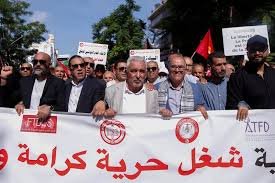
The growing number of reported killings has prompted demonstrations in cities including Yaounde and Douala.
Protesters have called for stronger legal protections, more effective investigations and government action to prevent violence against women.
The demonstrations reflect frustration among families, activists and members of the public who believe that repeated incidents of gender-based violence require a more decisive response.
Campaigners say the authorities must also address the circumstances that can leave women vulnerable to abuse, including financial insecurity, social stigma and a lack of accessible support services.
For women experiencing violence at home, seeking help can be difficult when they fear losing financial support, face pressure from relatives or worry that reporting abuse will not lead to meaningful protection.
Support services, legal assistance and safe accommodation can therefore play an important role in helping victims leave dangerous situations.
Activists argue that a coordinated response involving law enforcement agencies, the courts, social services and community organisations would provide a stronger foundation for preventing further deaths.
Why Economic Dependence and Social Attitudes Matter
Beyond the legal debate, campaigners say economic dependence can make it harder for some women to escape abusive relationships.
Women who rely on their partners for housing, food or financial support may have limited options when faced with threats or physical violence.
Social expectations can create additional pressure, particularly when victims are encouraged to preserve their marriages or keep family disputes private.
Women with children may also fear that leaving a relationship could affect their ability to provide for their families.
These challenges highlight the importance of prevention measures alongside criminal prosecution. Greater access to education, employment, financial resources and support networks could help women make safer choices when facing abuse.
Public education is also essential to challenge attitudes that excuse violence or treat domestic abuse as a private matter rather than a serious social and legal concern.
Campaigners believe that communities must be encouraged to report abuse and support victims instead of blaming them for the violence they experience.
Conclusion
Cameroon’s growing femicide crisis has renewed demands for stronger laws, more effective policing and a justice system capable of delivering timely accountability.
The death of Geraldine Achiah has brought renewed attention to the issue, while protests across the country have increased pressure on the government to take action.
The proposed legislation establishing femicide as a distinct offence could represent an important step. However, its impact will depend on how effectively it is implemented and whether authorities address wider problems involving investigations, court delays, victim protection and economic vulnerability.
For the families of women who have lost their lives, justice means more than a change in the law. It also means ensuring that cases are thoroughly investigated, those responsible are held accountable through due process, and other women receive the protection they need.
As Cameroon considers its next steps, the central challenge will be turning public demands and government commitments into practical measures that prevent violence and protect women across the country.