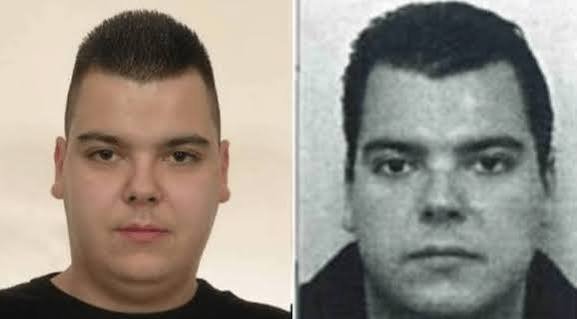
Dutch national Jos Leijdekkers, widely known by the nickname “Bolle Jos,” has become one of the most prominent fugitives linked to the international cocaine trade, with his activities drawing increasing attention across West Africa and Europe.
Leijdekkers has been wanted by European authorities for several years after being convicted in absentia in cases involving large-scale cocaine trafficking and other serious offences. Rather than remaining in Europe, where law-enforcement agencies have been searching for him, he is believed to have established a new base in Sierra Leone.
His presence in the West African country became publicly known in January 2025 after footage showed him attending a church service alongside members of Sierra Leone’s presidential family. The appearance generated international attention because Leijdekkers had been a fugitive from European justice for years.
Investigative reporting has subsequently suggested that the Dutch fugitive had been in Sierra Leone much earlier than his public appearance indicated. Sources cited by The Guardian placed him in the country as far back as December 2022, with reports of him attending social gatherings and moving within Freetown’s affluent circles.
Leijdekkers’ reported presence in Sierra Leone has also raised questions about the network surrounding him. Ghanaian nationals have reportedly featured among people connected to his security arrangements, while investigations into his broader activities have continued across the region.
The issue has become particularly relevant to Ghana after authorities arrested three people in September 2026 over alleged links to the fugitive’s network. Ghana’s Narcotics Control Commission said the suspects were allegedly involved in representing or facilitating activities connected to Leijdekkers. The arrests followed the interception by French customs of a major cocaine shipment allegedly linked to a wider trafficking organisation.
Ghanaian authorities have, however, drawn a distinction between Leijdekkers himself and individuals suspected of working with him. NACOC said available intelligence indicated that the Dutch fugitive had not entered Ghana, although investigators believed he had associates operating inside the country.
That distinction has become important as investigators attempt to establish how international trafficking organisations operate across national borders. According to NACOC, a drug-trafficking network can be directed by an individual based in one country while associates and logistical operators work elsewhere.
Leijdekkers’ alleged activities have also attracted attention because Sierra Leone occupies a strategic position along routes used by international criminal organisations seeking to move cocaine from South America toward European markets.
European authorities have accused him of playing a significant role in the cocaine trade. The Guardian reported that a Dutch court sentenced him in absentia to 24 years in prison for several cocaine shipments involving about 7,000 kilograms of the drug, as well as other offences. Belgium has also imposed a separate prison sentence connected to cocaine trafficking.
More recent reporting has intensified the focus on his alleged operations from Sierra Leone. Le Monde reported in August 2026 that Spanish authorities had seized about 30 tonnes of cocaine from a vessel that had departed Freetown, while European investigators suspected the shipment was connected to Leijdekkers’ organisation. He has not been convicted in that Spanish case.
Dutch authorities have made efforts to secure his arrest and extradition, but those efforts have so far failed. Reports in 2026 said Dutch special forces had prepared operations aimed at capturing him near the West African coast, but the missions were called off before they could be completed.
Meanwhile, his reported connections in Sierra Leone have generated controversy and increased pressure on authorities to explain how a highly wanted European fugitive was able to remain in the country.
The case has also raised concerns about the ability of international drug networks to exploit borders, local contacts and established commercial routes. For Ghana and other countries in the region, the arrests linked to Leijdekkers’ alleged network demonstrate the increasingly cross-border nature of the cocaine trade.
As investigations continue, authorities in Ghana, Sierra Leone and Europe are attempting to establish the full structure of the network and determine the roles played by individuals suspected of assisting the fugitive.
For now, Leijdekkers remains at large, while his alleged presence in Sierra Leone continues to be a major issue for law-enforcement agencies pursuing one of Europe’s most wanted drug-trafficking suspects.