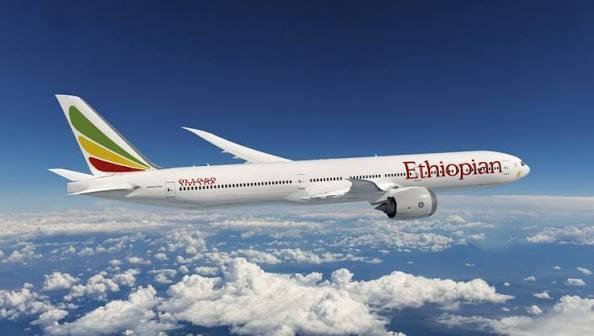
Ethiopian Airlines has resumed commercial flights to Mekelle, the capital of Ethiopia’s northern Tigray region, restoring an important transport connection after nearly three weeks of disruption caused by renewed fighting.
The airline restarted services between Addis Ababa and Mekelle on October 11, 2026, 18 days after operations were suspended when fighters from the Tigray People’s Liberation Front (TPLF) took control of the city’s airport.
The reopening offers relief to passengers who were unable to travel during the interruption, including people separated from relatives and those whose work and other commitments were affected by the conflict.
However, the return of commercial aviation does not necessarily mean that security conditions across Tigray have stabilised. Fighting and political tensions continue to raise concerns about the region’s future.
Ethiopian Airlines Restores Key Domestic Route
The resumption of flights reconnects Mekelle with Addis Ababa, Ethiopia’s capital and the main hub for Ethiopian Airlines’ domestic and international operations.
The airline suspended services to Mekelle, Axum and Shire on September 23 as the security situation deteriorated in Tigray. The interruption left travellers with fewer options for reaching the region and disrupted movement between communities and the rest of the country.
The first resumed service arrived at Alula Aba Nega International Airport in Mekelle on October 11, carrying passengers eager to return home and restart their daily activities.
According to the Ethiopian News Agency, the reopening is expected to help restore travel opportunities for residents, businesspeople and families affected by the suspension. The immediate confirmation, however, applies to the Mekelle route; it does not establish that flights to Axum and Shire have also restarted.
Passengers Welcome Return of Flights
The reopening has brought relief to passengers who spent weeks unable to travel to Mekelle.
Some travellers arriving on the first flight had been separated from family members, while others were eager to return to their jobs and resume normal activities.
Passengers interviewed by the Ethiopian News Agency described the importance of being able to reconnect with relatives and return to work after the suspension.
The disruption demonstrated how quickly renewed conflict can affect civilian life, even for people who are not directly involved in the fighting. When transport links are interrupted, families can struggle to reunite, businesses face difficulties moving people and supplies, and residents may find it harder to access essential services.
For Mekelle, the return of flights provides an important link to the country’s main commercial and administrative centre. Nevertheless, the extent to which regular travel can continue will depend on the security situation.
Tigray Conflict Disrupted Airport Operations
The suspension of flights followed a renewed outbreak of fighting involving the TPLF and forces aligned with Ethiopia’s federal government.
The TPLF took control of Mekelle and its airport in September as hostilities intensified. The group subsequently announced its withdrawal, and government-aligned forces entered the city in early October.
The withdrawal came amid concerns that prolonged fighting could cause further damage to Mekelle, which remains an important administrative and economic centre in northern Ethiopia.
The renewed hostilities have undermined the fragile peace established by the November 2022 agreement that ended the previous two-year war in Tigray.
That conflict caused enormous civilian suffering, including deaths linked to violence, hunger and the collapse of essential services. The return of fighting has therefore raised fears that communities could face another period of instability.
Although the airport has reopened to commercial aviation, the broader political and security situation remains uncertain.
Tensions Between Ethiopia and Eritrea Add to Concerns
The situation in Tigray is unfolding alongside a deterioration in relations between Ethiopia and neighbouring Eritrea.
The two countries have exchanged accusations over military activity near their shared border. Ethiopia has accused Eritrea of sending troops into its territory and supporting armed groups opposed to the federal government. Eritrea has rejected Ethiopia’s accusations and criticised Addis Ababa’s statements about securing access to the Red Sea.
Reports of possible cross-border troop movements have heightened fears that the renewed conflict could spread beyond Ethiopia’s internal political divisions.
The United Nations has urged the parties to stop fighting and return to dialogue, warning that further escalation could threaten stability across the Horn of Africa.
For airlines, passengers and businesses, continued insecurity presents practical challenges. Even when a particular route reopens, changing conditions can affect schedules, airport access and travellers’ confidence.
Will Flights to Axum and Shire Resume?
The restoration of the Mekelle route has raised expectations that air connections to other towns in Tigray could follow.
Ethiopian authorities have indicated that flights to Axum and Shire are expected to resume. However, the available reports do not confirm that commercial services to either destination have restarted.
Both routes were suspended alongside Mekelle in September as the security situation worsened.
Their reopening will depend on operational decisions by the airline and whether conditions allow safe and reliable services.
For residents, renewed air connections could make it easier to travel for work, family responsibilities and other essential reasons. They could also support businesses and contribute to the movement of supplies into the region.
However, the return of aviation services alone cannot resolve the underlying political and security problems affecting Tigray.
What the Flight Resumption Means for Ethiopia
Ethiopian Airlines’ return to Mekelle is an important step towards restoring transport links disrupted by the conflict.
For passengers who were stranded or separated from relatives, the resumed route provides an opportunity to return to their communities. Businesses and workers may also benefit from improved access between Tigray and Addis Ababa.
The development is also a sign that some essential connections can be restored after a period of military upheaval.
Still, the reopening should not be mistaken for the end of the crisis. The conflict in Tigray remains unresolved, relations between Ethiopia and Eritrea are strained, and the future of other suspended routes is uncertain.
For now, the return of Ethiopian Airlines to Mekelle offers practical relief to travellers, while the wider region continues to face significant security challenges.