A security operation involving personnel linked to American private military entrepreneur Erik Prince has suffered a deadly setback in the eastern Democratic Republic of Congo (DR Congo), after an ambush left several people dead and others injured, according to sources cited by Reuters.
The attack took place on September 17, 2026, in South Kivu province, an area affected by persistent fighting involving Congolese government forces and armed groups. Approximately 20 people were reported killed or wounded in the incident, including Congolese personnel, foreign contractors and former Ultimate Fighting Championship (UFC) fighter Tim Kennedy.
Kennedy, a former US Army Green Beret who competed in professional mixed martial arts, reportedly sustained three gunshot wounds to his leg. Sources told Reuters that he was receiving treatment at Walter Reed National Military Medical Center near Washington, DC.
The incident has drawn attention to the growing role of private security contractors in eastern Congo, where the government has been seeking support to confront armed groups and protect strategic territory.
Former UFC Fighter Tim Kennedy Among the Wounded
Kennedy’s reported involvement in the operation became public after a veteran special operations figure discussed his injury on a podcast. The disclosure was followed by reports identifying the former fighter as one of those wounded during the September attack.
According to sources familiar with the incident, the casualties included at least seven Congolese nationals and a former member of New Zealand’s special forces. Another foreign contractor was also reportedly injured.
The precise circumstances surrounding the attack remain unclear, and the reported casualty figures have not been independently confirmed by all parties involved.
Kennedy previously served in the US military before building a public profile through professional fighting, television appearances and online commentary. His reported presence in Congo has highlighted the involvement of experienced foreign security personnel in operations connected to the country’s ongoing conflict.
Neither Kennedy nor the medical facility treating him had publicly provided a detailed account of the incident in the reports available at the time. Vectus Global, the security company connected to the operation, also declined to comment when approached by Reuters.
Erik Prince’s Vectus Global Expands Its Role in Congo
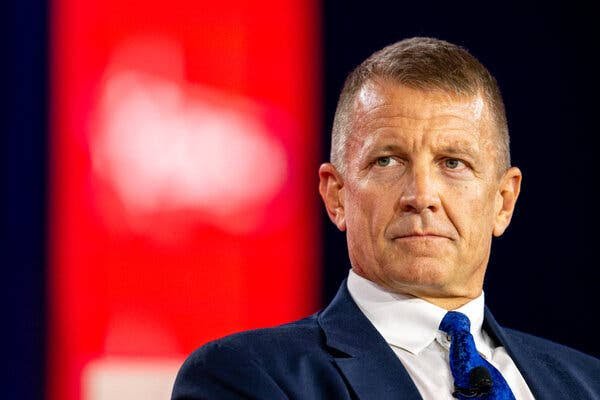
The operation involved personnel working with Vectus Global, a private security and consulting company associated with Prince, who founded the now-defunct Blackwater security firm.
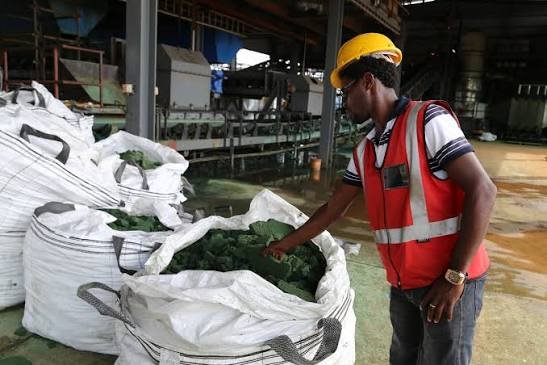
Prince’s involvement in DR Congo initially focused on helping the government improve revenue collection from its vast mineral resources and strengthen oversight of the mining sector. The country’s deposits of gold, tantalum, lithium and other valuable minerals have long been linked to economic competition and armed conflict.
However, Vectus Global’s role reportedly expanded as fighting intensified in the east. Earlier in 2026, personnel linked to the company helped Congolese forces in operations connected to the strategic town of Uvira in South Kivu.
The deployment followed diplomatic efforts led by Washington to secure the withdrawal of Rwanda-backed M23 rebels from the town. The group’s advances have presented a major challenge to the Congolese government, which has struggled to restore security across parts of the country’s eastern provinces.
The September ambush is significant because it represents the first reported casualties involving Prince’s security operation in Congo, according to a source familiar with the company’s activities.
The size of Vectus Global’s contingent operating in the country has not been publicly established. Its expanding responsibilities also raise questions about the risks facing private contractors working alongside government forces in an active conflict zone.
Rwanda’s Alleged Role in the Ambush Remains Unconfirmed
Sources cited by Reuters suggested that Rwandan forces may have been involved in the attack. Two sources reportedly attributed the ambush to Rwanda’s military, while another suggested the attackers may have located the team by tracking a surveillance drone.
According to that account, the team’s movements may have been exposed through its reconnaissance operations, allowing opposing forces to identify its position.
However, these accounts remain allegations rather than an independently established conclusion. The Congolese and Rwandan governments, as well as representatives of M23, had not immediately responded to Reuters’ requests for comment.
The wider conflict has repeatedly strained relations between Kinshasa and Kigali. The United Nations and several Western governments have accused Rwanda of supporting M23, including through military assistance and influence over the rebel group. Rwanda denies backing the movement.
M23 has seized significant territory in eastern Congo, where fighting has displaced civilians and complicated efforts to establish lasting peace. The region’s mineral wealth has added another dimension to the conflict, with security, control of territory and access to resources remaining major concerns.
Private Military Contractors Face Growing Risks
The latest attack underscores the dangers faced by foreign contractors hired to assist the Congolese government.
Private security personnel can provide specialist capabilities, including surveillance, logistical support and operational planning. However, their involvement does not guarantee success against armed groups that have considerable battlefield experience and knowledge of the terrain.
Congo has previously relied on foreign fighters in attempts to strengthen its military position. During the M23 offensive that led to the fall of Goma in January 2025, hundreds of foreign fighters reportedly surrendered to United Nations peacekeepers after rebel advances left them surrounded alongside Congolese troops.
The episode highlighted the difficulties facing outside personnel operating in a conflict where military positions can change rapidly and government forces face several security challenges simultaneously.
For Prince’s Vectus Global, the September ambush represents a serious reminder of the risks associated with its expanding responsibilities in Congo. The incident could also prompt further scrutiny of the company’s operational arrangements and the extent to which private contractors are being drawn into frontline activities.
What the Attack Means for Congo’s Security Strategy
The Congolese government continues to face the difficult task of protecting strategic towns, restoring state authority and securing revenue from the country’s mineral resources.
Foreign security companies may offer expertise and equipment that local forces need, but their involvement also raises questions about accountability, operational transparency and the long-term sustainability of relying on outside contractors.
The reported casualties show how quickly a support mission can become exposed to direct combat when personnel operate in contested territory.
For now, several key details remain unresolved, including the full circumstances of the ambush, the identities of all those killed or injured and who was ultimately responsible for the attack.
The incident nevertheless illustrates the continuing volatility of eastern DR Congo, where diplomatic efforts and security operations have yet to bring a lasting end to the fighting.