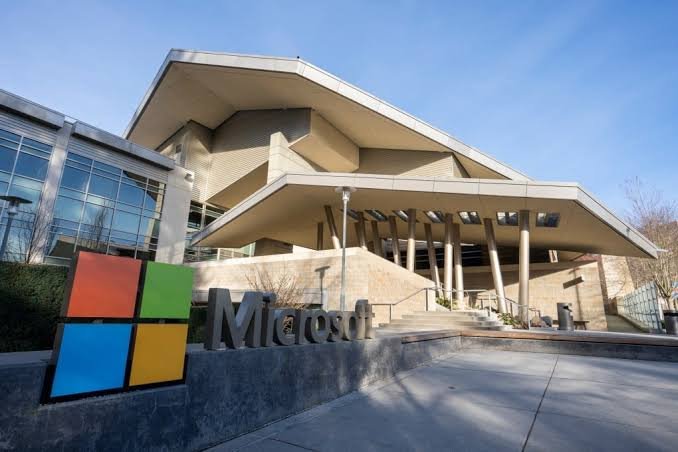
The United States government has suspended Microsoft, Adobe and several major information technology companies from a programme that provides foreign professionals with a pathway to permanent residency, escalating the Trump administration’s efforts to tighten employment-based immigration rules.
The decision, announced by US Vice President JD Vance and Labour Secretary Keith Sonderling on Thursday, October 8, 2026, affects the Permanent Labour Certification programme, commonly known as PERM. The programme allows eligible employers to begin the process of sponsoring foreign workers for employment-based green cards.
Other companies affected include Indian technology and outsourcing firms such as Infosys, Tata Consultancy Services, Wipro, HCL Technologies and Cognizant, as well as Capgemini.
According to US officials, the affected companies will no longer be able to submit new applications or have pending PERM applications processed while the suspensions remain in effect. The administration says the action is intended to address suspected abuses of the immigration system and encourage employers to prioritise American workers.
JD Vance Accuses Microsoft of Putting Foreign Workers Ahead of Americans
Microsoft became a central focus of the announcement after Vance questioned the company’s employment practices.
The vice president argued that Microsoft had dismissed thousands of American employees while continuing to make extensive use of programmes that enable foreign professionals to work in the United States.
Vance cited figures indicating that Microsoft laid off approximately 6,000 American workers last year while benefiting from about 6,300 H-1B visas and nearly 3,000 green cards.
He argued that companies should not reduce their domestic workforce while relying on immigration programmes to retain or recruit foreign employees.
The administration has maintained that the restrictions are part of a wider effort to ensure that employment-based immigration serves its intended purpose and does not disadvantage qualified American workers.
However, the accusations against Microsoft represent the government’s position and should not be treated as proof that the company has violated immigration laws.
Microsoft Rejects Criticism of Its Visa Practices
Microsoft has defended its approach to hiring international professionals, disputing the suggestion that its visa applications demonstrate a policy of replacing American workers with foreign employees.
The company said roughly 80 per cent of its H-1B applications during the most recent financial year involved existing employees seeking visa extensions or changes to their immigration status.
According to Microsoft, most of those applications were therefore not intended to bring new workers into the country. It added that the remaining applications for new employees largely involved individuals who were already legally present in the United States.
The technology company also maintained that most members of its American workforce are US citizens and that it offers competitive salaries.
The dispute highlights a broader disagreement over the role of foreign professionals in the American technology industry. While critics argue that some employers use immigration programmes in ways that weaken opportunities for domestic workers, technology companies maintain that international recruitment helps them access specialised skills and remain competitive.
What the PERM Programme Means for Foreign Workers
The PERM programme is an important stage in the process through which employers sponsor eligible foreign employees for permanent residency.
Before proceeding with most employment-based green card applications, employers generally need labour certification from the US Department of Labour. This process requires them to demonstrate that qualified American workers are not available for the relevant position under the applicable requirements.
The programme is particularly significant for skilled professionals who initially enter the country through temporary employment arrangements, including certain H-1B visa holders.
The latest suspension does not amount to a blanket cancellation of H-1B visas. Instead, it targets the affected companies’ access to the PERM process, potentially making it more difficult for eligible foreign employees at those businesses to obtain permanent residency through employer sponsorship.
The restrictions could therefore create uncertainty for international professionals who have been working in the United States and hoping to secure long-term immigration status through their employers.
The precise consequences will depend on individual circumstances, the status of pending applications and any subsequent developments in the administration’s policy.
Indian IT Companies Also Affected
The inclusion of several major Indian technology companies has widened the potential impact of the decision beyond American technology businesses.
Companies such as Infosys, Tata Consultancy Services, Wipro and HCL Technologies provide technology services to clients across multiple industries. Their operations frequently involve deploying specialised workers and managing international staffing arrangements.
The suspension could complicate permanent residency plans for eligible employees associated with the affected businesses. It may also prompt employers to review their immigration procedures and consider how changes to US policy could affect recruitment and workforce planning.
The development is especially significant for Indian professionals, who account for a substantial share of workers using the H-1B visa route in the US technology sector.
Nevertheless, the suspension should not be confused with a general prohibition on Indian professionals working in America. Its immediate focus is the affected employers’ participation in the PERM green card process.
Trump Administration Intensifies Immigration Restrictions
The latest action forms part of President Donald Trump’s broader campaign to tighten immigration controls and increase pressure on employers to recruit American workers.
Supporters of the administration’s approach argue that stronger enforcement is necessary to prevent abuse and protect employment opportunities for US citizens.
Critics, however, warn that restrictions on skilled immigration could create difficulties for companies that depend on international expertise. They argue that limiting access to foreign talent could affect innovation, recruitment and the ability of American businesses to compete globally.
The debate is particularly prominent in technology, where employers often recruit internationally for specialised positions.
The PERM suspension also comes amid increased scrutiny of other institutions that rely on international talent. US officials separately announced investigations involving nine universities over concerns about the use of exchange-visitor programmes, foreign influence and possible immigration-related violations.
Those investigations are separate from the action against technology companies, although both reflect the administration’s wider examination of programmes involving foreign nationals.
What Happens Next?
The duration of the suspensions remains uncertain. The restrictions could leave affected employers and foreign workers waiting for further guidance while the government pursues its stated concerns about alleged abuses.
For professionals seeking US permanent residency, the announcement is a reminder that immigration pathways can change and that a temporary work visa does not automatically guarantee a green card.
The situation may also encourage technology firms to reassess how they manage international recruitment, employee retention and long-term immigration sponsorship.
For now, the central question is whether the administration’s measures will lead to changes in hiring practices without creating significant disruption for businesses that depend on skilled international workers.
The outcome is likely to influence the continuing debate over how the United States balances protecting domestic employment with maintaining access to global talent.