The United Nations World Food Programme (WFP) is urgently seeking more than $30 million to sustain food assistance for Congolese refugees living in Burundi, warning that thousands of vulnerable people could lose access to essential supplies if additional funding is not secured.
The humanitarian agency says its available resources are running dangerously low, with food distributions at risk of stopping as early as October 2026. Such an interruption could deepen hunger and malnutrition among families who have escaped violence in the eastern Democratic Republic of the Congo (DRC).
Many of the refugees arrived in Burundi after renewed fighting in eastern DRC forced people to abandon their homes and seek safety across the border. The influx has placed additional pressure on humanitarian organisations already struggling to meet the needs of displaced populations.
Although contributions from donors and support from the Burundian government have helped prevent an immediate suspension of assistance, the WFP says the funding received will only allow its operations to continue for a limited period.
The agency is appealing to international donors and humanitarian partners to provide the resources needed to keep food and nutrition programmes running.
WFP Warns of Imminent Shortage of Funds
The WFP has estimated that it requires approximately $5 million every month to support Congolese refugees and other people receiving assistance across Burundi.
Of that amount, around $1 million is needed monthly for refugees at Busuma camp in eastern Burundi, one of the locations accommodating people displaced by the conflict.
The agency has warned that it needs additional financial support to maintain food and nutrition assistance through August 2027. Without sufficient contributions, its ability to provide regular help to refugees will be severely limited.
The funding shortage has already affected the level of assistance available to vulnerable households. The WFP has previously reduced food rations because it lacked the resources to provide the full amount required.
For families with little income and limited opportunities to earn a living, even a small reduction in food assistance can have serious consequences.
The agency fears that a prolonged interruption could force refugees to make difficult choices between buying food, securing shelter and meeting other essential needs.
The latest appeal highlights the growing financial pressure on humanitarian organisations responding to displacement crises across Africa.
Thousands of Congolese Flee Conflict Into Burundi
Burundi has received large numbers of people fleeing insecurity in the eastern Democratic Republic of the Congo.
Fighting in the region, including renewed violence involving armed groups and government forces, has forced families to leave their communities in search of protection.
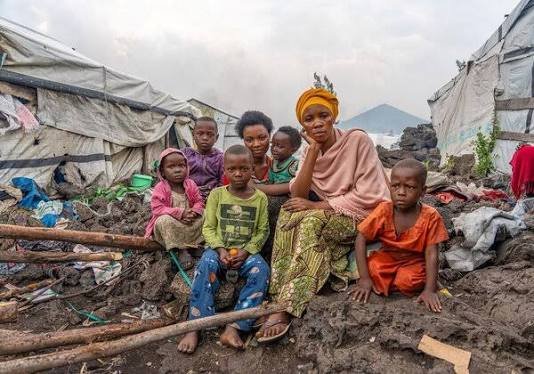
Many arrive with few belongings and limited resources, making them heavily dependent on humanitarian assistance during their first weeks and months in displacement.
The increased number of arrivals has stretched the capacity of aid organisations, particularly those responsible for food distribution and nutrition support.
According to the WFP, the number of refugees requiring its assistance increased significantly following the latest wave of displacement. This has made it more difficult to maintain adequate support for both newly arrived families and refugees who were already living in the country.
The continuing instability in eastern DRC also makes it difficult to predict how many additional people may cross into neighbouring countries.
Humanitarian agencies are therefore facing the challenge of responding to immediate needs while trying to secure enough funding to sustain their operations over the coming months.
Refugees Receive About $12 Monthly
The financial difficulties facing the WFP have had a direct impact on the assistance available to refugees.
Congolese refugees currently receive support equivalent to approximately 38,000 Burundian francs, or about $12 per person each month, according to reports on the humanitarian response.
For people who have lost their homes and livelihoods, that amount can be insufficient to cover basic food requirements and other daily necessities.
Refugees have also reported difficult living conditions in some camps, where deteriorating tents and strong winds create additional challenges.
Nayonde Mbirizi, a 40-year-old Congolese refugee, described the assistance as inadequate and highlighted the problems caused by ageing shelter materials.
These conditions underline the difficulties faced by displaced families who depend on external support while having limited means to improve their circumstances.
The combination of insufficient food assistance, inadequate shelter and uncertainty about future funding could increase the risk of malnutrition, particularly among children, pregnant women, older people and those with existing health vulnerabilities.
Without additional resources, aid agencies may struggle to provide the level of support needed to protect the most vulnerable residents.
Busuma Camp Faces Growing Humanitarian Pressure
Busuma camp in eastern Burundi has become an important location for Congolese refugees escaping the conflict.
Established in December 2025, the camp currently accommodates approximately 33,000 Congolese refugees, according to figures cited in reports on the situation.
Despite the difficult conditions, some refugees have returned to the Democratic Republic of the Congo. The United Nations High Commissioner for Refugees (UNHCR) has reported that 22,463 refugees from the camp have already returned to their home country.
However, continuing insecurity remains a concern for humanitarian organisations monitoring displacement across the region.
The decision to return home can be difficult for refugees who have spent months away from their communities. Their ability to rebuild their lives depends partly on whether security conditions improve and whether basic services and livelihoods become accessible again.
For those who remain in Burundi, food assistance and shelter continue to be essential.
The size of the population at Busuma also places pressure on available facilities and humanitarian resources, making sustained international support particularly important.
International Partners Assess Conditions
International partners are also examining the situation as aid agencies search for ways to maintain assistance.
A delegation involving representatives of the European Union, Switzerland and the European Commission’s humanitarian aid department, known as ECHO, visited Busuma camp to assess conditions and consider the challenges facing refugees.
Such visits can help donors and humanitarian organisations better understand the needs on the ground and identify areas where additional support may be required.
However, assessments alone cannot resolve the funding shortage. The WFP says financial contributions are necessary to maintain food distributions and prevent a disruption in assistance.
The agency’s appeal comes amid growing pressure on humanitarian budgets, with crises in several parts of the world competing for limited international funding.
For Burundi, the challenge is particularly serious because the country must respond to the needs of refugees while also dealing with its own economic and food-security difficulties.
The WFP has warned that the lack of sufficient resources could undermine efforts to protect displaced people from hunger and malnutrition.
Funding Gap Could Deepen Regional Humanitarian Crisis
The possible suspension of food assistance would have consequences beyond the immediate loss of meals.
When refugees lack sufficient food or reliable income, they may be forced to reduce their consumption, sell essential belongings or rely on already overstretched host communities.
A prolonged shortage could also increase pressure on health services and other humanitarian programmes, particularly if malnutrition becomes more widespread.
The situation illustrates how funding shortfalls can threaten emergency responses even when humanitarian agencies have identified the needs and established systems to deliver assistance.
The WFP is urging donors and international partners to act before the available resources are exhausted.
More than $30 million is being sought to sustain assistance, while the agency continues to work with the Burundian government and other partners to explore ways of maintaining support.
For Congolese families who have already fled violence, the outcome will be critical. Securing the necessary funding could help ensure that food assistance continues, while a failure to close the gap could leave thousands facing greater uncertainty and hardship.
As conflict-related displacement continues to affect the Great Lakes region, the situation in Burundi highlights the urgent need for sustained humanitarian funding and coordinated international support.