Anti-immigrant demonstrations in South Africa descended into violence on Thursday, October 8, after protests in Johannesburg and Durban escalated into arson, shop looting and reports of gunfire.
The unrest highlighted growing tensions surrounding migration and asylum applications, with protesters demanding tougher action against undocumented foreign nationals. The violence prompted police to reinforce security in affected neighbourhoods as authorities worked to restore calm.
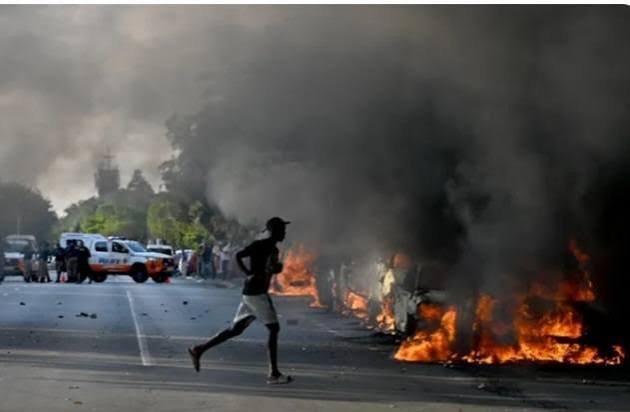
In Durban, a coastal city in KwaZulu-Natal province, vehicles were set on fire and businesses reportedly owned by foreign nationals were looted. In Johannesburg’s Soweto township, clashes also broke out between protesters and foreign business owners, leaving damaged vehicles and heightened anxiety among residents.
Durban and Soweto Witness Destruction
The violence affected two major urban centres, with incidents reported around businesses and areas associated with immigration services.
In Durban, police reported that at least 14 vehicles had been set alight. A guest house and a warehouse were also partially damaged by fire, according to authorities. Officers were deployed to help contain the situation and prevent further destruction.
In Soweto, reports of gunshots intensified tensions during demonstrations. A Reuters reporter observed people removing groceries from a shop believed by residents to be owned by a Somali national. The individuals reportedly left the area after police arrived and dispersed the crowd.
Authorities said the situation in Soweto had come under control later in the day, although security personnel remained on the ground.
The incidents have renewed concerns about the safety of foreign nationals, particularly migrant entrepreneurs who operate small shops and other businesses in communities where anti-immigration sentiment has increased.
Government Blames False Information for Unrest
South African authorities have pointed to misleading information about a recent Constitutional Court ruling as one of the factors contributing to the protests.
Government spokesperson William Baloyi said the court’s decision had been misrepresented, creating confusion about the legal position of asylum seekers.
The ruling, delivered in July, addressed procedural barriers that had prevented some people from accessing the asylum system. It established that asylum seekers should not automatically be denied access to the process solely because of procedural issues, including irregular entry into the country.
However, the judgment did not grant every undocumented migrant refugee status, permanent residence or an automatic right to remain in South Africa.
Baloyi expressed concern about the violence and warned that false claims about the judgment were contributing to public misunderstanding.
The government has sought to clarify that asylum applications must still be assessed through the appropriate legal procedures.
Police Promise Action Against Perpetrators
South African police have increased their presence in affected areas and pledged to investigate those responsible for violence and property destruction.
Lieutenant General Puleng Dimpane, a senior police official, said individuals implicated in criminal acts would be identified and investigated, with arrests to follow where sufficient evidence exists.
The incidents have also exposed the challenges authorities face when demonstrations escalate unexpectedly. Police have had to manage crowds, protect businesses and prevent further clashes while attempting to maintain public order.
In Durban, officers were deployed as fires and reports of looting emerged. In Soweto, police intervention helped disperse people from affected commercial areas.
Authorities face pressure to ensure that people can exercise their right to peaceful protest without attacks on businesses, vehicles or individuals.
Constitutional Court Ruling Adds to Immigration Debate
The latest unrest follows months of demonstrations by groups demanding stronger immigration controls and the removal of foreigners they believe are living in South Africa unlawfully.
The July court decision has become a flashpoint because it coincided with increased numbers of people seeking to submit asylum applications at refugee reception offices.
Government officials have acknowledged that the offices were overwhelmed by the number of applicants who came forward after the legal changes were implemented.
The authorities have pledged to improve processing capacity, speed up the handling of applications and maintain identity checks. They have also stressed that allowing someone to apply for asylum does not mean the application will automatically be approved.
The issue has placed the government under pressure to balance the enforcement of immigration rules with its legal obligations to assess asylum claims fairly.
Migrants Face Growing Hostility
The latest violence forms part of a wider pattern of anti-migrant mobilisation in South Africa during 2026.
Foreign nationals have frequently faced accusations that they take employment opportunities away from citizens, contribute to crime or place additional pressure on public services. However, social scientists have challenged claims that migrants are responsible for the country’s wider economic and social difficulties.
South Africa continues to struggle with deep inequality and high unemployment, with roughly one in three people in the labour force unemployed. These conditions have contributed to frustration in many communities, where competition over jobs, business opportunities and access to public services can intensify tensions.
Despite these challenges, the country remains an important destination for migrants from across Africa because of its relatively large economy and employment opportunities.
Previous anti-immigrant demonstrations have attracted international criticism, particularly when protests have led to attacks on foreign-owned businesses or forced people to flee their homes and workplaces.
The latest incidents have again raised questions about how authorities can address public concerns over immigration without allowing violence or collective blame against foreign nationals.
Businesses and Communities Face Uncertainty
The burning of vehicles and looting of shops have created further uncertainty for business owners and residents in affected neighbourhoods.
Small shops run by foreign nationals are an important part of local commercial activity in many communities. When such businesses are targeted, the consequences can extend beyond their owners to employees, suppliers and customers who depend on them.
The violence also risks deepening mistrust between South African residents and migrant communities, making it harder to resolve disputes through dialogue and lawful procedures.
Police presence may help restore immediate order, but longer-term stability will require action on several fronts, including clear public communication about immigration law, efficient asylum processing and consistent enforcement against violence.
South Africa Faces a Difficult Immigration Challenge
Thursday’s unrest demonstrates how disputes over immigration policy can escalate when misinformation, economic frustration and existing social tensions converge.
The government now faces the challenge of restoring confidence in the asylum system while ensuring that public protests do not become opportunities for intimidation, looting or attacks on foreign nationals.
Authorities have promised investigations into the destruction, while the government continues to explain the legal meaning of the Constitutional Court ruling.
For migrant communities, the immediate concern remains personal safety and the protection of homes, shops and livelihoods.
As South Africa continues to debate immigration and asylum policy, the response to the latest violence will test the authorities’ ability to protect communities, uphold the law and prevent further attacks.