The long-running dispute over the Chagos Archipelago has entered another uncertain phase, with the agreement between the United Kingdom and Mauritius still awaiting implementation and renewed negotiations raising fresh concerns about when the deal will finally take effect.
The agreement, signed in May 2025, was designed to settle the sovereignty dispute by transferring control of the Chagos Islands to Mauritius while allowing Britain to retain rights over the strategically important Diego Garcia military facility.
However, the treaty has not yet entered into force, and its implementation has been slowed by political and diplomatic disagreements, particularly over the future of the Diego Garcia base.
Why the Chagos Agreement Matters
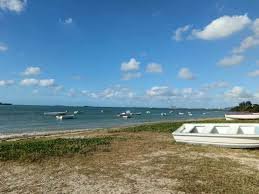
The Chagos Archipelago is located in the Indian Ocean and has been at the centre of a sovereignty dispute involving Britain and Mauritius for decades.
Britain separated the islands from Mauritius in 1965, shortly before Mauritius became independent. Diego Garcia, the largest island in the group, was subsequently developed into a major military installation jointly used by the UK and the United States.
The displacement of Chagossians from the islands between the late 1960s and early 1970s remains one of the most sensitive aspects of the dispute. Estimates cited in recent reporting put the number of people removed from the islands at between 1,400 and 1,700. Many eventually settled in Mauritius and Seychelles, while others moved to Britain.
Under the 2025 agreement, Mauritius would exercise sovereignty over the archipelago, while Britain would retain rights connected to Diego Garcia for an initial 99-year period. The arrangement would also provide a framework for Chagossian resettlement on islands other than Diego Garcia.
Parliamentary Process Put on Hold
Despite the agreement, Britain has not completed the domestic legal process required to implement it.
The UK Parliament’s 2024-26 session ended on April 29, 2026, without the necessary legislation completing its passage. Parliament had previously considered the Diego Garcia Military Base and British Indian Ocean Territory Bill, which was intended to give effect to parts of the UK-Mauritius agreement in British law.
The British government has continued discussions with Mauritius and the United States over how to move forward. In a July parliamentary response, the UK government said it remained engaged with both countries and confirmed that the existing arrangements governing the joint UK-US base on Diego Garcia remained in force.
US Concerns Add to the Uncertainty
The future of the agreement has become more complicated because of opposition from US President Donald Trump.
Trump has questioned whether the proposed arrangement sufficiently protects the strategic importance of Diego Garcia, which has long been used for US and British military operations.
His objections have created an additional diplomatic hurdle for the UK government as it attempts to find an arrangement acceptable to Mauritius while maintaining the military partnership surrounding the base. Recent reporting indicates that Britain is reviewing the agreement and seeking a way forward with Washington and Port Louis.
British Prime Minister Andy Burnham has said his government intends to work with Mauritius and the United States on a solution that protects the operation of Diego Garcia and British national-security interests.
Mauritius Continues to Push Its Sovereignty Claim
Mauritius has maintained that its claim to sovereignty over the Chagos Islands is not negotiable.
Mauritian officials have also continued to defend the 2025 agreement, arguing that it provides a diplomatic route towards resolving the dispute while recognising Mauritius’ sovereignty.
Prime Minister Navin Ramgoolam travelled to Britain in September for discussions with British officials over the Chagos issue. The Mauritian government has released limited details about the substance of those talks.
The dispute has also been shaped by international legal developments. The International Court of Justice issued an advisory opinion in 2019 concerning Britain’s administration of the Chagos Islands, while the International Tribunal for the Law of the Sea delivered a related judgment in 2021. These developments have been cited by Mauritius and Chagossian representatives in support of their position.
Chagossians Fear They May Run Out of Time
For Chagossians who were born in the archipelago, the continuing delays have a deeply personal dimension.
Olivier Bancoult of the Chagos Refugees Group has expressed concern that many elderly members of the displaced community may never have the opportunity to return to their ancestral homeland if implementation of the agreement continues to be postponed.
Recent reporting notes that Chagossians born in the islands are now between 58 and 100 years old. Members of the community have also raised concerns about the gradual loss of language, traditions, food practices and other aspects of Chagossian culture among younger generations living in the diaspora.
There is, however, no single position among Chagossians on the proposed settlement. Some groups support resettlement under Mauritian sovereignty, while others favour arrangements involving Britain. The differences illustrate the complexity of reaching a settlement that satisfies all sections of the displaced community.
Diego Garcia Remains the Biggest Challenge
At the heart of the negotiations is Diego Garcia.
Supporters of the military facility argue that the base is strategically important to Britain and the United States. Critics, including groups in Mauritius, oppose its continued military use and question the implications of maintaining a major foreign military installation on the archipelago.
The 2025 agreement attempted to address this issue by allowing continued UK rights over Diego Garcia even as sovereignty over the wider Chagos Archipelago would pass to Mauritius. The disagreement over the precise terms of that arrangement, however, continues to complicate implementation.
For now, the Chagos sovereignty agreement remains unresolved. Britain, Mauritius and the United States are still engaged in discussions, while Chagossian groups continue to press for a settlement that addresses both sovereignty and the right of displaced people to reconnect with their homeland.
The immediate question is whether the three governments can reach a revised or clarified arrangement that resolves the concerns surrounding Diego Garcia and allows the wider sovereignty agreement to move forward.