Ethiopian federal forces have regained control of Alula Aba Nega Airport in Mekelle, the capital of the northern Tigray region, in a significant reversal for Tigrayan fighters amid renewed hostilities.
The reported takeover came after Tigray People’s Liberation Front (TPLF)-aligned forces seized the airport on September 23, disrupting air travel and deepening fears that Ethiopia could be heading back towards a full-scale conflict in the region.
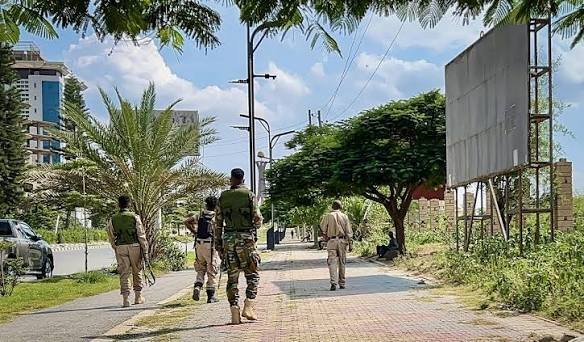
People familiar with the situation in Mekelle told the Associated Press that federal troops had retaken the airport. An Ethiopian military general also confirmed that government forces were in control of the facility, although details surrounding exactly when and how the airport changed hands remained unclear.
Airport Recaptured Amid Communication Disruptions
The situation in Mekelle remained difficult to verify independently because internet and mobile phone services in parts of Tigray have been severely disrupted.
At the time of the initial reports, it was also unclear whether government troops had established full control over the wider city. Residents reportedly remained concerned about possible looting and further clashes as rival forces competed for strategic positions.
The airport is an important transportation link for Tigray. Its capture by Tigrayan fighters last month prompted Ethiopian Airlines to suspend flights to Mekelle, as well as to Axum and Shire, further isolating the region.
The latest development therefore represents more than a battlefield setback for the TPLF. Regaining the airport gives federal forces control of a key entry point into Mekelle as government-aligned fighters advance through the region.
Tigray Fighters Withdraw From Mekelle
The airport’s recapture was followed by a broader shift in control of Mekelle.
The TPLF later announced that its forces had withdrawn from the regional capital, saying the move was intended to prevent the city from suffering the kind of destruction witnessed during the previous war.
Government-allied fighters subsequently entered Mekelle, with reports indicating that federal forces and the Tigray Peace Force had established a presence in the city.
The withdrawal marks a major setback for the TPLF, which had made significant gains after fighting intensified in September. The group had previously taken control of several strategic locations as tensions between its leadership and Prime Minister Abiy Ahmed’s government deteriorated.
Fears of Another Major War
The latest violence has revived memories of Ethiopia’s devastating 2020-2022 Tigray conflict.
That war ended with the Pretoria peace agreement in November 2022, bringing a fragile period of relative calm to the region. However, many of the political and security issues underlying the conflict remained unresolved.
Renewed fighting since late 2025 has now raised concerns that the peace agreement could collapse completely. The African Union has called for restraint, warning that further escalation could undermine the progress achieved through the 2022 agreement.
Tigray is also still dealing with the consequences of the previous war. Around one million people remain displaced, while significant aspects of the peace agreement have yet to be fully implemented.
Ethiopia-Eritrea Tensions Add to Crisis
The fighting is taking place against the backdrop of deteriorating relations between Ethiopia and neighbouring Eritrea.
Ethiopian authorities have accused Eritrea of supporting forces opposed to the federal government, allegations rejected by Asmara. The diplomatic dispute escalated sharply this week, with Ethiopia ordering Eritrean diplomats to leave and closing its embassy in Asmara. Eritrea subsequently announced that it was severing diplomatic relations with Ethiopia.
Ethiopia has also accused other regional countries of supporting its opponents, although those allegations have been denied.
The African Union has urged the countries involved to exercise maximum restraint, reflecting concerns that the Tigray conflict could develop into a wider Horn of Africa crisis.
Civilian Concerns Grow
For people living in Tigray, the latest fighting has brought back fears of displacement, shortages and isolation.
Banking, communications and other essential services have been affected, while the suspension of commercial flights has made movement in and out of the region more difficult.
The uncertainty surrounding control of Mekelle has also increased anxiety among residents, many of whom experienced the devastating consequences of the previous war.
Analysts warn that the immediate battle for Mekelle is only part of a much larger political and military struggle. Even if federal and allied forces maintain control of the city, the underlying dispute between Addis Ababa and Tigrayan leaders could continue.
The recapture of the airport and subsequent government advance into Mekelle have therefore changed the balance on the ground, but they may not signal the end of the conflict.
Instead, the developments could mark another dangerous phase in Ethiopia’s long-running struggle over the future of Tigray and its relationship with the federal government.