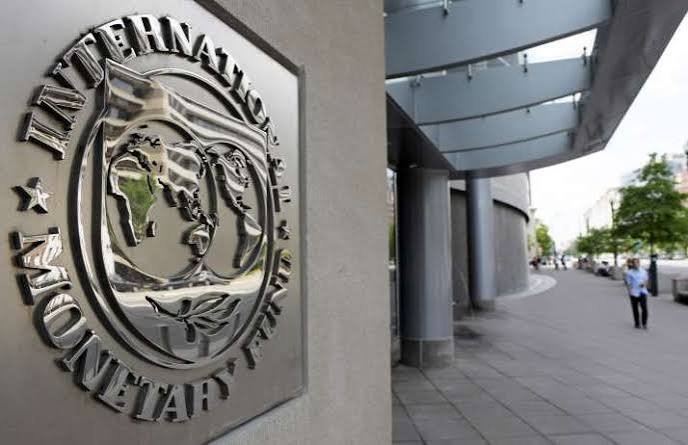
Senegal’s proposed $2.2 billion financing arrangement with the International Monetary Fund is still awaiting approval by the Fund’s Executive Board. IMF spokeswoman Julie Kozack said Senegal must complete an agreed budget framework, take corrective action over the misreporting of public debt and obtain financing assurances from its partners before the Board can consider the programme.
The proposed arrangement is a 36-month Extended Credit Facility covering 2026 to 2029. IMF staff and Senegalese officials reached a staff-level agreement in September, but that agreement is not a final loan approval. The IMF said it remains subject to management and Executive Board approval, as well as the required corrective steps and financing assurances.
Budget disputes complicate the approval process
The IMF’s latest comments come amid a dispute over Senegal’s budget plans. Reuters reported that the National Assembly had previously rejected an amended 2026 budget, while a parliamentary committee had asked the finance ministry to withdraw its 2027 budget bill.
The budget impasse is unfolding alongside political tensions between President Bassirou Diomaye Faye and former Prime Minister Ousmane Sonko, whose PASTEF party holds a majority in parliament, Reuters reported. Kozack said the IMF would not comment on how Senegal’s president might resolve the domestic dispute or whether he could act outside parliament. She said that was a matter for Senegal’s own constitutional and legal system.
The IMF’s position, as described by Reuters, is that Senegal must show it can implement the policies agreed with Fund staff using its own legal and institutional framework. The issue is therefore not simply whether a budget bill is approved in a particular form: the authorities must establish a credible fiscal framework that supports the programme’s policy commitments.
Hidden debt remains central
Senegal’s request for new financing follows the discovery of substantial public debt that had not been properly reported by the previous administration. The IMF has identified misreporting as an issue requiring corrective action before the Executive Board can approve the new programme. Reuters said analysts estimate the misreported obligations at about $13 billion.
In its September announcement of the staff-level agreement, the IMF said Senegal needed to take decisive corrective measures to support a request for a waiver related to the misreporting case. It also said the programme is intended to restore macroeconomic stability and debt sustainability, strengthen public financial management and reduce fiscal vulnerabilities.
The IMF’s country FAQ describes reforms under way to strengthen fiscal oversight and transparency, including centralized debt management, better debt data, audits of payment arrears and stronger budget controls. The Fund says these measures are intended to address the causes of the misreporting and reduce the risk of similar problems recurring.
What the proposed financing would support
If approved, the $2.2 billion facility would provide financing over three years and could help Senegal obtain additional support from development partners. The IMF said the programme was expected to help catalyse financing from the World Bank, the African Development Bank and other partners.
The programme’s stated aims include restoring debt sustainability, supporting stable public finances, expanding social spending and encouraging private-sector-led growth. The IMF has also cited plans to increase domestic revenue, streamline expenditure and improve targeted support for vulnerable households. The arrangement would thus combine financing with a policy framework for managing the country’s debt and budget pressures.
For Senegal, the timing matters because the government is seeking a path to address its financing needs while resolving the consequences of the debt disclosure. Reuters reported that a delay in approval could leave the country relying on market borrowing for longer. The IMF’s September statement also noted that its proposed support could help mobilize financing from other development partners.
Board approval is still outstanding
The latest IMF statement does not mean the programme has been rejected or approved. It means the Board’s decision remains pending while Senegal works through the conditions identified by the Fund: completion of the budget framework, corrective measures addressing the misreporting, and financing assurances from partners.
The IMF has said it is engaging with Senegalese authorities on the agreed policies and is prepared to explain the programme to stakeholders. The next milestone is whether the government can meet the outstanding requirements and secure the support needed for the proposal to reach the Board.
Until then, the $2.2 billion package remains a proposed programme backed by a staff-level agreement, not money already approved for disbursement. Senegal’s budget decisions and its response to the hidden-debt findings will be central to determining when the Fund’s directors can make their decision.