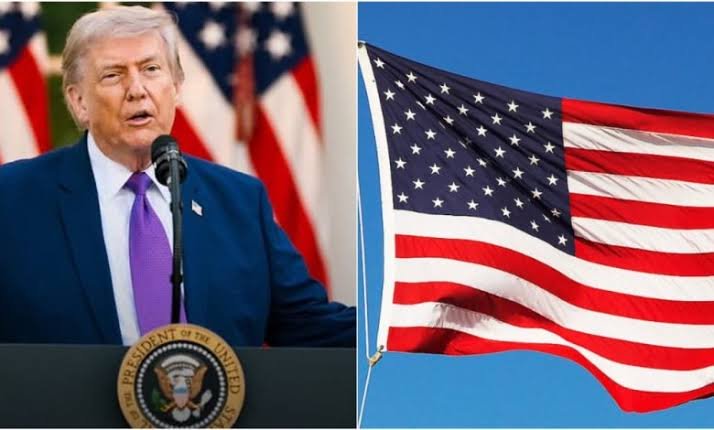
Global oil prices moved higher on Monday after US President Donald Trump rejected an Iranian proposal aimed at resolving the conflict between Washington and Tehran and restoring normal shipping through the strategically important Strait of Hormuz.
The development renewed concerns about the security of oil supplies from the Middle East, sending Brent crude futures more than 3% higher during early trading. Reuters reported that Brent rose $3.43, or 3.29%, to $107.75 per barrel at 0540 GMT, while US West Texas Intermediate crude gained $2.14, or 2.32%, to $94.55.
The latest increase came after Iran presented a peace proposal at the United Nations General Assembly. Tehran said the proposal had been delivered to the United States through Qatari mediators.
Trump subsequently rejected the proposal, although he said US representatives were expected to continue discussions with Iran during the week.
Middle East tensions keep oil market on edge
The response from the oil market reflects continued uncertainty surrounding the conflict and its potential effect on energy supplies.
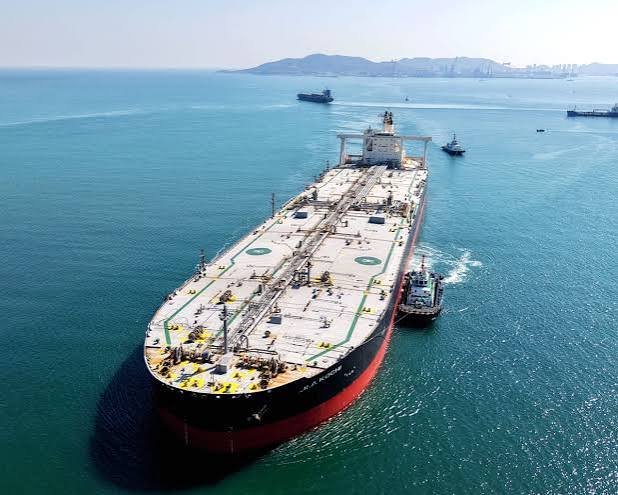
The Strait of Hormuz is particularly important because it is a major route for international oil shipments. Any prolonged disruption in the waterway could affect the volume of crude reaching global markets and put additional pressure on prices.
The latest diplomatic setback therefore prompted traders to reassess the possibility of a quick resolution to the conflict.
Sugandha Sachdeva, founder of research firm SS WealthStreet, said the rejection had reduced expectations of an immediate diplomatic breakthrough, although negotiations had not completely stopped.
Oil prices have been highly sensitive to developments involving the United States, Iran and the Strait of Hormuz since the conflict began.
Earlier in September, prices had fallen as investors became more optimistic about possible diplomatic progress and increased oil flows through the waterway.
Brent and WTI take different paths
The latest move follows mixed performances by the two major oil benchmarks during the previous week.
Brent crude gained about 0.4% over the week, while West Texas Intermediate suffered a much sharper decline of 7.9%.
The fall in WTI was partly linked to concerns that the United States could restrict diesel exports as authorities attempted to deal with unusually high domestic fuel prices.
Such a policy could potentially affect refinery operations and alter the balance between domestic and international petroleum markets.
The latest geopolitical developments have once again shifted attention toward supply risks in the Middle East.
Middle East exports recover
Despite the renewed tensions, crude exports from several major Middle Eastern producers increased during September.
Preliminary data from commodities data provider Kpler showed that crude exports from key producers in the region reached approximately 12.8 million barrels per day, the highest level since the conflict began in February.
Saudi Arabia and the United Arab Emirates were among the countries contributing to the increase in shipments.
The recovery in exports could help reduce some of the pressure on global supplies if it continues.
However, the market remains vulnerable to any fresh disruption to shipping routes or production facilities.
Houthi attacks add to uncertainty
Security concerns have also extended beyond Iran and the Strait of Hormuz.
A Saudi-led coalition in Yemen said it had intercepted two ballistic missiles and two drones launched towards Saudi Arabia by the Iran-backed Houthi movement.
The incident added another layer of geopolitical risk to an already fragile situation in the region.
Investors are therefore monitoring military developments alongside diplomatic negotiations as they assess the potential direction of oil prices.
What happens next?
Although Trump rejected Iran’s latest proposal, his indication that negotiations could continue means diplomacy has not completely ended.
The outcome of any further discussions could have a significant influence on energy markets.
A breakthrough that improves security around the Strait of Hormuz and allows shipping to return to normal could reduce the geopolitical premium currently embedded in crude prices.
On the other hand, continued military tensions or further restrictions on shipping could increase concerns about global supply and place additional upward pressure on prices.
For now, traders are watching both the diplomatic process and physical oil flows from the Middle East.
Analysts cited by Reuters said Brent could face resistance around the $120-per-barrel level, while a sustained improvement in shipping conditions or progress in negotiations could eventually ease prices.
The latest rebound therefore highlights how closely the oil market remains tied to developments in the US-Iran conflict, with any change in the prospects for peace capable of quickly influencing crude prices.
For consumers and oil-importing countries, sustained higher crude prices could eventually feed into the cost of petrol, diesel and other petroleum products if the increase persists.
The coming days are expected to remain important for the global energy market as Washington and Tehran weigh further diplomatic contacts while traders continue to monitor the movement of oil through one of the world’s most important shipping corridors.