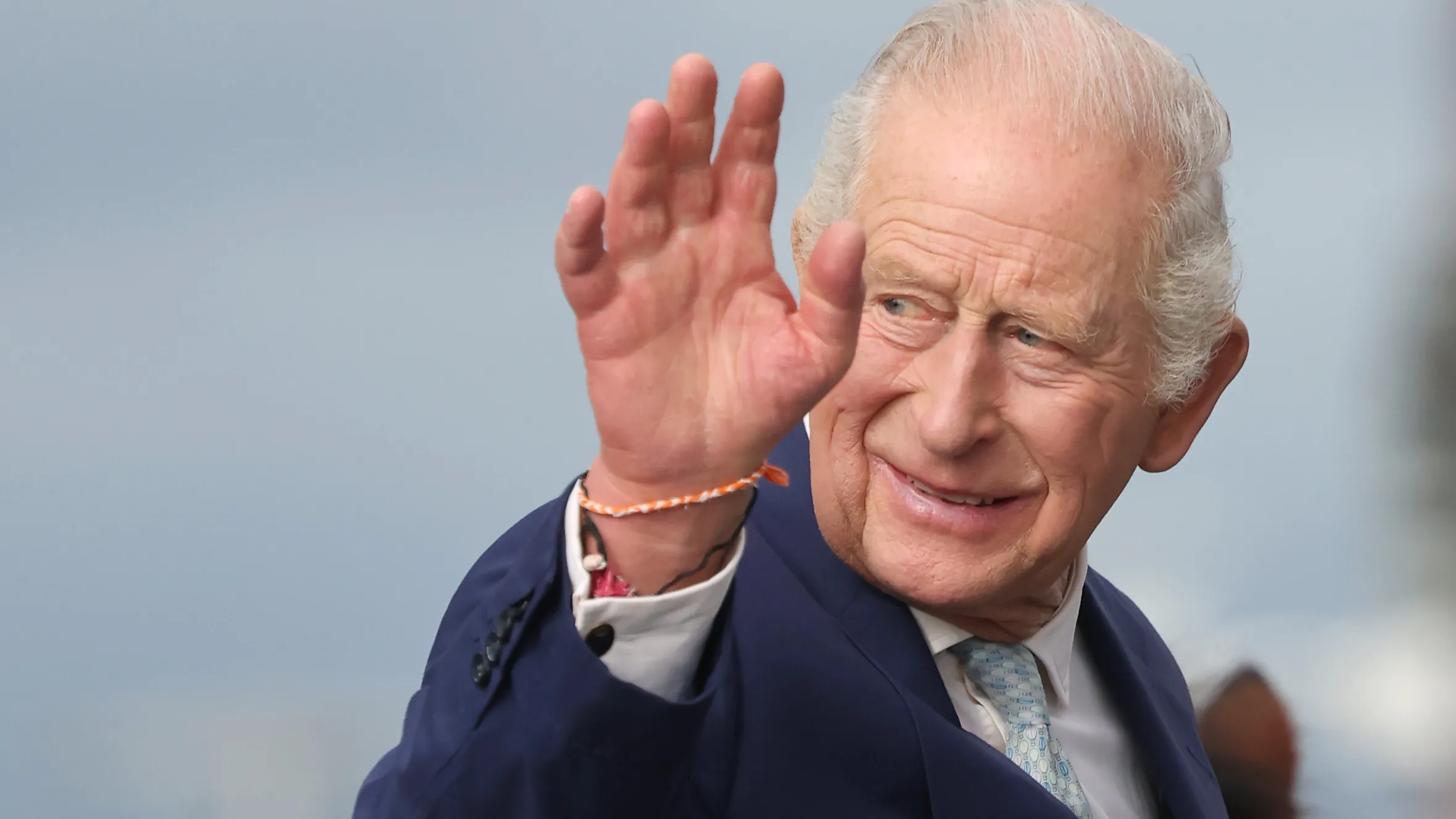
King Charles III has begun a nine-day Caribbean tour amid mounting demands for Britain to confront its historical role in the transatlantic slave trade, including calls for a formal apology, reparations and the return of cultural artefacts taken during the colonial era.
The visit, running from October 27 to November 4, 2026, will take the British monarch to The Bahamas and Guyana before he joins Queen Camilla in Antigua and Barbuda for the Commonwealth Heads of Government Meeting (CHOGM).
Although the royal programme includes diplomatic engagements and celebrations of Caribbean culture, the question of historical justice is expected to remain a central issue throughout the trip. Caribbean campaigners and political leaders argue that acknowledging the suffering caused by slavery should be accompanied by meaningful steps to address its lasting consequences.
Caribbean Leaders Press Britain Over Its Colonial Past
The Caribbean has long sought greater recognition of the damage caused by slavery and colonial rule. Advocates say the forced transportation of Africans, exploitation of enslaved people and extraction of wealth helped shape economic and social inequalities that remain visible today.
The Caribbean Community (CARICOM), which represents 23 member and associate-member states, has continued to push for reparations. Its position includes demands for recognition, accountability and measures designed to support communities affected by slavery’s legacy.
Reparations advocates argue that redress should not necessarily be limited to direct financial payments. They have also raised proposals involving the return of cultural objects, debt relief, development support and initiatives that address enduring inequalities.
Commonwealth Secretary-General Shirley Botchwey has backed discussions about possible forms of reparatory justice, adding to pressure on British leaders to engage more directly with Caribbean concerns.
King Charles Expected to Acknowledge Britain’s Role in Slavery
Buckingham Palace has indicated that the king will address Britain’s historical involvement in the slave trade during the visit. However, he is not expected to issue a formal apology or announce financial reparations, in line with the British government’s established position on the issue.
Charles has previously expressed sorrow over slavery and described it as a grave historical atrocity. During a visit to Barbados in 2021, he acknowledged the painful legacy of slavery as the country prepared to become a republic and remove the British monarch as its head of state.
The palace has also said that the royal visit will recognise historical injustices while focusing on the present-day priorities and future prospects of the countries involved.
Nevertheless, campaigners say expressions of regret do not go far enough. They want Britain to take practical steps towards addressing the long-term effects of slavery, with some arguing that an official apology should be the starting point for broader negotiations.
Guyana Visit Brings Painful History Into Focus
One of the most significant stops on the tour will be Guyana, where the king is expected to meet President Irfaan Ali and other national representatives.
The country has a deeply painful history connected to British colonialism and plantation slavery. In 1823, a major uprising by enslaved people in the Demerara region was violently suppressed, resulting in the deaths of more than 200 enslaved people.
President Ali has argued that Britain’s recognition of slavery as a dark chapter in human history should be followed by a formal apology. His position reflects wider calls across the Caribbean for former colonial powers to move beyond acknowledgement towards concrete forms of redress.
The visit is also expected to include engagement with Indigenous communities. However, some Indigenous representatives have raised concerns about whether their longstanding issues, including disputes over land and natural resources, will receive sufficient attention.
These concerns highlight the broader challenges facing Caribbean societies as they seek to address both historical injustices and contemporary questions involving land rights, economic development and political representation.
Why Jamaica Is Absent From the Royal Itinerary
Jamaica, which has increasingly debated its constitutional relationship with Britain, is not included in Charles’s itinerary.
The country has been moving towards becoming a republic, following the example of Barbados, which removed the British monarch as head of state in 2021. Calls for reparations have also gained momentum, with a Jamaican delegation pursuing a legal petition concerning the legacy of transatlantic slavery.
The absence of Jamaica from the tour comes amid wider discussions about the future of the monarchy in former British colonies. Some residents continue to value the historic relationship with the Crown, while others regard the monarchy as a symbol of colonial exploitation.
For reparations campaigners, the debate is about more than the royal family’s presence. They argue that meaningful engagement requires Britain to confront the historical record and respond to the continuing consequences of slavery.
Commonwealth Summit Could Become a Key Platform
The final stage of the tour will take Charles and Camilla to Antigua and Barbuda, where the king is scheduled to attend the Commonwealth Heads of Government Meeting.
The gathering brings together leaders from the Commonwealth’s 56 member countries. Discussions are expected to cover issues such as trade, climate change and development, although Caribbean leaders have indicated that reparations should receive serious attention.
The meeting provides an opportunity for governments to discuss how the Commonwealth should address its colonial history while responding to the needs of its members today.
Britain has maintained that it will not pay financial reparations for historical slavery, but the growing pressure from Caribbean governments and civil society groups means the issue is unlikely to disappear.
The outcome of Charles’s visit may therefore be measured not only by diplomatic meetings and public appearances, but also by whether it creates space for further discussions on historical responsibility, restitution and the future relationship between Britain and the Caribbean.
For many campaigners, the central question remains whether acknowledgement of the past will lead to meaningful action. As the royal tour proceeds, Caribbean leaders will be looking for signs that their demands for justice are being taken seriously.