The Democratic Republic of Congo’s Ebola outbreak is entering another difficult phase as North Kivu province emerges as one of the areas experiencing a sharp increase in infections, putting additional pressure on already stretched health facilities.
In Butembo, a city of about two million people, medical teams are dealing with a growing number of patients at Ebola treatment centres. Reuters reported on September 25 that all 29 beds at the Kitatumba Ebola treatment centre were occupied, with some patients reportedly struggling to find available space for treatment.
The development comes as transmission patterns vary across the country, with some areas recording signs of improvement while infections continue to rise in others.
North Kivu faces growing pressure
Health workers in Butembo have reported a significant increase in patients during recent weeks.
Stephanie Hoffmann, a project coordinator with Médecins Sans Frontières, said the organisation had observed a sharp rise in cases over a two-week period. According to Reuters, some people who knew or suspected they had Ebola were unable to immediately secure beds at treatment centres.
Local authorities have responded by opening additional treatment facilities. Two new centres were announced during the week, bringing the number of treatment centres in the city to four.
The pressure on the health system is particularly concerning because some patients are arriving at hospitals in advanced stages of illness, reducing the options available to medical teams.
North Kivu becomes a major focus of the outbreak
The Ebola outbreak was first detected in the Democratic Republic of Congo in May 2026, with Ituri province initially serving as the principal centre of transmission.
However, North Kivu has recorded a substantial increase in cases. WHO data for September showed that the province had surpassed 1,000 confirmed infections, while transmission continued to increase in several health zones.
The outbreak has also spread geographically beyond its initial areas. By September 13, WHO reported that confirmed cases had been detected in 62 health zones across seven provinces, including the newly affected Bulu health zone in Sud-Ubangi.
A difficult response
Health authorities are confronting several obstacles at the same time.
The response has been affected by gaps in disease surveillance, shortages of resources and difficulties reaching some communities. Insecurity in eastern Congo also complicates efforts to identify cases, trace contacts and provide medical care.
WHO has described the outbreak as occurring in a challenging environment marked by humanitarian pressures, population movement and insecurity.
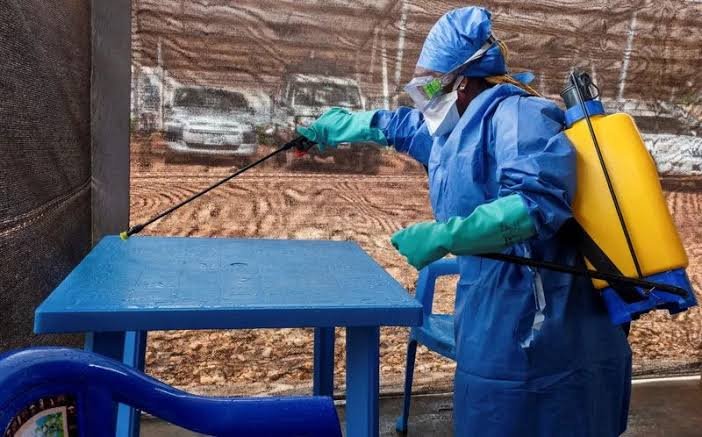
The organisation says surveillance, contact tracing, laboratory testing, infection prevention, clinical care and community engagement remain central to efforts to contain the virus.
High death rate remains a concern
The severity of the outbreak is reflected in its reported mortality.
As of September 13, WHO recorded 7,258 confirmed cases and 3,510 deaths, giving the outbreak a crude case-fatality ratio of approximately 48.4%. More than 1,600 patients had recovered by that point.
The figures underline the importance of detecting infections early and ensuring patients can access treatment quickly.
WHO has also warned that delays in diagnosis can increase the likelihood of transmission within households and healthcare facilities.
Vaccine and treatment challenges
The current outbreak involves the Bundibugyo virus, a species of Ebola for which there is no established licensed vaccine specifically approved for routine prevention and no specific treatment.
WHO says research is under way to assess potential medical tools. The organisation has recommended that the Ervebo vaccine, which was developed for Zaire ebolavirus, be used against Bundibugyo virus only within a research protocol because its effectiveness against this species remains uncertain.
Vaccination of healthcare and frontline workers has nevertheless begun as part of research and outbreak-response efforts.
Cross-border concerns remain
The spread of Ebola into multiple provinces has raised concerns about the possibility of further transmission across international borders.
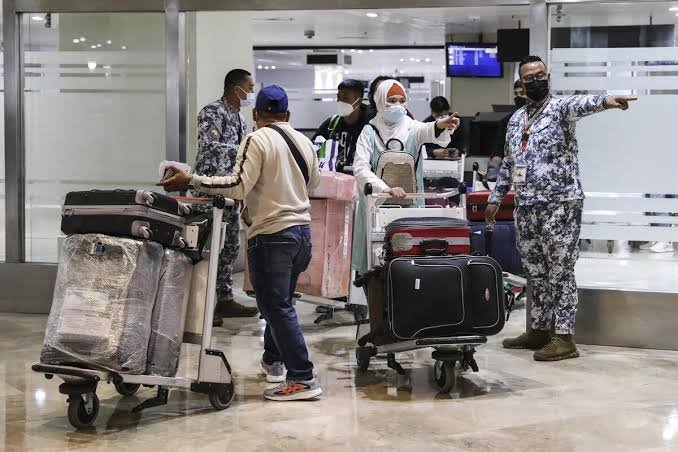
WHO has maintained surveillance at airports, ports and official land crossings while warning that informal routes used by people moving between communities can complicate efforts to detect and contain infections.
The organisation has therefore stressed the importance of cooperation between Congo and neighbouring countries, particularly in surveillance and preparedness.
Authorities race to contain the outbreak
The emergence of North Kivu as a major Ebola hotspot adds another challenge to an already extensive public-health response.
While some parts of the Democratic Republic of Congo are seeing different transmission trends, the continuing rise in North Kivu demonstrates how quickly the situation can shift.
Health workers and international partners are expanding treatment capacity and surveillance while attempting to improve early detection and community cooperation.
For residents of Butembo and surrounding communities, the immediate priority remains identifying cases quickly, providing care and limiting further transmission. The broader response will depend on sustained medical support, effective surveillance, community engagement and coordination across the affected provinces.