Burkina Faso’s judicial authorities say they have issued arrest warrants for around 20 people in a series of terrorism-related investigations, including warrants accompanied by requests for extradition. The announcement does not mean those named have been convicted: the cases remain at the investigation or prosecution stage, and the allegations vary from person to person.
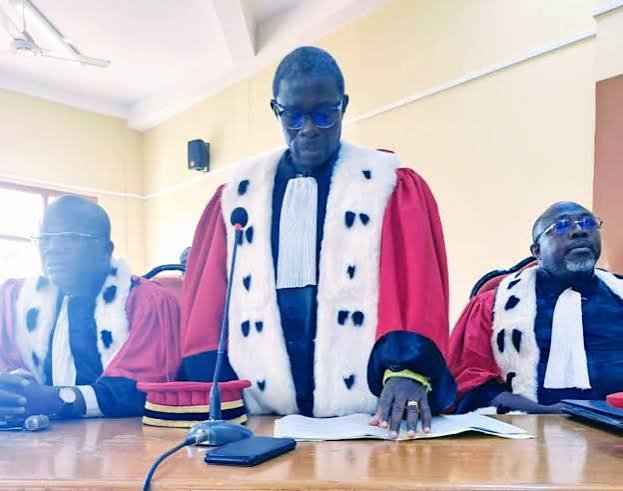
Prosecutor General Désiré Sawadogo announced the measures at a news conference in Ouagadougou on November 13. He said six cases had been opened in the specialised judicial unit dealing with terrorist offences, involving more than 45 individuals and legal entities. Some 14 people living outside the country are subject to international arrest warrants and extradition requests, while seven others face ordinary arrest warrants, according to an AFP report.
The larger figure of more than 45 refers to the people and entities implicated across the investigations. It is not the number of people for whom international arrest warrants were announced. Burkina Faso’s state newspaper, Sidwaya, published a list of people facing extradition requests and described different alleged offences attached to different names. That reporting underlines why the cases should not be treated as a single charge against every person mentioned.
Authorities say the alleged conduct under investigation includes complicity in a terrorist criminal conspiracy, financing terrorism, possessing weapons or ammunition for terrorist purposes, and publishing or circulating material that allegedly promotes or justifies terrorist activity. Other alleged offences mentioned by the prosecutor include defamation, undermining the morale of the armed forces and showing contempt for public authority. These are accusations reported by the authorities; the announcement did not establish guilt in court.
Among those reported to face international warrants and extradition requests are former ministers Djibril Bassolé and Mamadou Alpha Barry, journalists Newton Ahmed Barry and Issiaka Lingani, and former military officer Landio Mamadou Zalla. The official newspaper’s account lists additional people and differentiates the accusations attached to them. International warrants and extradition requests are legal steps intended to locate and seek the transfer of people abroad; they are not convictions or proof that another country has agreed to extradite anyone.
The prosecutor said Burkina Faso had approached judicial authorities in Côte d’Ivoire, France, the United States and other countries to pursue arrests, extradition or international legal assistance. Any arrest outside Burkina Faso would depend on the authorities and legal procedures in the country where a person is located. The public announcement did not confirm that the named people had been detained or that extradition had been approved.
The proceedings also cover people who are not described as subjects of the same warrants. Former transition leader Paul-Henri Sandaogo Damiba, for example, is reported to be under judicial investigation over alleged complicity in terrorist conspiracy, weapons offences and terrorism financing. Separate reporting says judicial inquiries involve other public figures and France 24. An investigation is not a finding of guilt, and the information released does not indicate that every person under investigation has been charged or arrested.
The announcement comes as Burkina Faso continues to confront a long-running insurgency involving armed Islamist groups. The military-led authorities have made counterterrorism a central priority, while the latest cases also encompass alleged speech-related offences and criticism of state institutions. The range of allegations makes the details of each file, the evidence presented and the judicial process important to follow as the investigations proceed.
For now, the public information describes warrants, extradition requests and ongoing inquiries—not completed trials or convictions. Authorities have asked for cooperation abroad, but the next steps will depend on the courts and law-enforcement agencies in those jurisdictions. The people named retain the right to contest the allegations through applicable legal procedures.