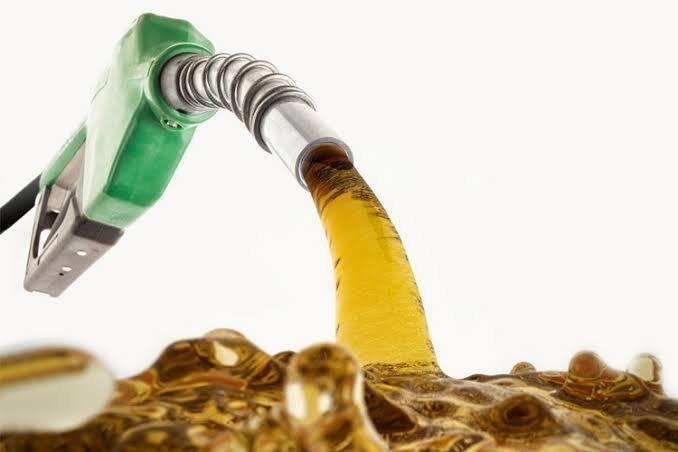
Petrol fuel prices in South Africa remain an important issue for motorists, businesses and households because changes at the pump can affect transportation costs and the prices of goods and services.
South Africa reviews fuel prices every month, with the adjustment influenced by international oil prices, petroleum-product prices, the rand-dollar exchange rate and government levies. The Department of Mineral and Petroleum Resources (DMPR) publishes the official monthly adjustments through its fuel-pricing system.
As of September 2026, motorists are paying more for petrol following the latest monthly adjustment.
Latest petrol prices in South Africa
The September 2026 adjustment took effect on September 2.
According to the latest published figures, both 93 and 95 petrol increased by R1.34 per litre. The adjustment pushed the inland price of 93 unleaded petrol to about R26.76 per litre, while 95 unleaded petrol rose to approximately R26.92 per litre.
The increase represented a significant change from August, when both petrol grades had received a 52-cent-per-litre reduction.
September 2026 petrol prices
| Fuel type | September 2026 price/adjustment |
|---|---|
| Petrol 93 | R26.76 per litre inland |
| Petrol 95 | R26.92 per litre inland |
| Petrol 93 | +R1.34 per litre |
| Petrol 95 | +R1.34 per litre |
Prices can differ between inland and coastal areas because South Africa’s fuel-price structure takes geographical factors and transport costs into account.
Why did petrol prices increase?
Several factors contributed to the September increase.
One of the biggest influences was the international oil market. During the period used to calculate the September adjustment, the average Brent crude price increased from around $82.37 to $87.88 per barrel.
International petrol prices also increased, partly because of supply pressures and lower global inventories.
The rand’s performance against the US dollar provided some relief, but it was not enough to offset the impact of higher international petroleum prices. South Africa imports crude oil and finished petroleum products at prices influenced by international markets.
Higher fuel levies also affected the price
The September adjustment was not driven entirely by crude oil.
The slate levy applied to petrol and diesel increased as part of the mechanism used to recover accumulated under-recoveries in the fuel-pricing system.
The September adjustment also included an additional petrol component linked to a wage increase for forecourt employees.
These domestic components added to the pressure created by higher international oil and petroleum-product prices.
Petrol prices have changed sharply during 2026
South African motorists have experienced substantial movements in fuel prices during 2026.
Earlier in the year, petrol prices rose sharply amid international oil-market pressures. By July, however, motorists received significant relief, with 93 petrol falling by R2.01 per litre and 95 petrol declining by R1.96 per litre.
In August, both grades were reduced by another 52 cents per litre.
The September increase subsequently reversed part of that relief.
This illustrates how quickly petrol prices can change when global crude prices, currency movements and domestic pricing factors move in different directions.
How petrol prices affect South Africans
Changes in South Africa petrol prices have consequences beyond motorists.
Higher petrol costs can increase the expenses associated with commuting, private transport and business operations.
Transport companies may face higher operating costs, while businesses that depend on deliveries can also experience additional expenses. These costs can eventually affect the prices consumers pay for goods and services.
Lower petrol prices, on the other hand, can provide some relief to households and businesses by reducing transportation expenses.
Petrol 93 vs petrol 95
South African motorists generally have a choice between 93 and 95 octane petrol, although availability can vary depending on location.
The main difference is the octane rating rather than a simple measure of fuel quality. Vehicle manufacturers specify the minimum octane level suitable for individual engines, so motorists should follow the recommendation contained in their vehicle’s manual.
Using a higher-octane fuel does not automatically mean a vehicle will consume less fuel or produce more power if the engine is not designed to benefit from it.
What determines South Africa’s monthly fuel price?
The country’s monthly fuel-price system takes several major factors into account.
These include:
- International crude oil prices
- International petrol and diesel prices
- The rand-to-US-dollar exchange rate
- Shipping and other import costs
- Government fuel levies
- The slate levy
- Domestic pricing adjustments
The combination of these factors means that a decline in crude oil prices does not necessarily guarantee an equivalent reduction in the price motorists pay at filling stations.
What motorists should expect
Fuel prices in South Africa remain closely connected to developments in international energy markets.
For motorists, this means the price at the pump can change significantly from one month to another. The September 2026 increase demonstrates how movements in crude oil prices, the rand and domestic levies can combine to push petrol prices higher.
The DMPR publishes official monthly adjustments, while the Fuels Industry Association of South Africa maintains historical petrol and diesel price information for different periods and regions.
For anyone monitoring petrol fuel prices in South Africa, checking the latest official monthly announcement is therefore the most reliable way to determine the current regulated price.