Uganda’s government is facing growing pressure to turn economic growth into better living conditions for ordinary citizens as rising prices, currency weakness, expensive borrowing and unemployment continue to affect households and businesses.
Despite recording relatively strong economic growth, many Ugandans say they are struggling to feel the benefits in their daily lives. The concerns have renewed debate over what authorities are doing to stabilise the economy, create jobs and improve household incomes.
The government has maintained that the country’s economic fundamentals remain strong and that several policies are being implemented to address the challenges. However, economists argue that growth figures alone do not tell the full story, particularly when a large section of the population continues to face difficulties accessing employment and affordable financing.
The debate comes as Uganda prepares its 2027/2028 national budget, with officials promising to place greater emphasis on job creation, exports, industrialisation and household prosperity.
Economic Growth Has Not Translated Into Better Living Standards
Uganda’s economy expanded by an estimated 6.4 per cent during the 2025/2026 financial year, reflecting continued activity across several sectors.
However, economic analysts have questioned whether the growth rate is generating enough employment and income opportunities to improve living standards across the country.
Timothy Chemonges, executive director of the Centre for Policy Analysis, has argued that productivity and household earnings are not increasing quickly enough to match the country’s economic expansion.
Figures cited in recent economic discussions put unemployment at 12.2 per cent, with youth unemployment at 17.9 per cent. Only 44.7 per cent of the working-age population was reported to be employed.
These figures highlight the difficulty of ensuring that economic growth benefits a wider section of society rather than remaining concentrated in selected sectors.
Economists have also pointed to the high cost of operating businesses, limited access to affordable credit, taxation and regulatory delays as obstacles affecting job creation.
For many small businesses, expensive electricity, transport costs and difficulties obtaining loans make it harder to expand operations and employ additional workers.
Government Introduces Measures to Stabilise the Shilling
One of the government’s immediate concerns has been the pressure on the Ugandan shilling, which has faced depreciation against major international currencies.
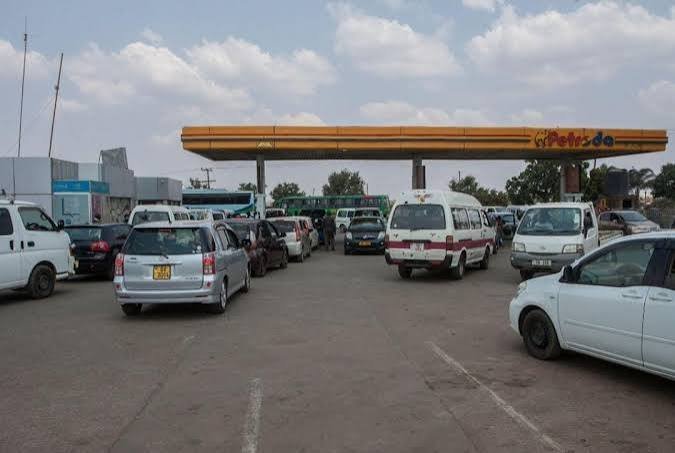
The weakening currency has increased the cost of imported goods, fuel and other essential products, adding to pressure on households and businesses.
Finance Minister Henry Musasizi told Parliament in October 2026 that the government was working alongside the Bank of Uganda to address the situation.
The central bank increased its Central Bank Rate from 9.75 per cent to 12 per cent in October as part of efforts to control inflationary pressures and support the currency. It also raised the cash reserve requirement for commercial banks from 11 per cent to 13.5 per cent.
The measures are intended to reduce excessive demand for foreign currency and tighten financial conditions.
The Bank of Uganda subsequently maintained the benchmark rate at 12 per cent in November, saying existing monetary measures needed more time to influence the economy.
However, tighter monetary conditions can also make loans more expensive, creating additional difficulties for businesses and individuals seeking credit.
2027/2028 Budget Targets Jobs and Household Incomes
The government has identified employment creation and improved household earnings as major priorities in its preparations for the 2027/2028 financial year.
According to the Ministry of Finance, the proposed budget strategy will focus on commercial agriculture, industrialisation, tourism, mineral development, science and technology, and expanding access to international markets.
Finance Minister Henry Musasizi said the government intended to direct more resources towards activities capable of generating productive employment, increasing exports and improving household incomes.
The strategy also places emphasis on attracting private investment and reducing dependence on borrowing to finance development projects.
Officials have said future public investments should demonstrate measurable economic benefits, including the number of jobs created, improvements in productivity and the potential to increase foreign exchange earnings.
The government is also considering additional financing arrangements, including public-private partnerships, infrastructure bonds, equity investments and climate-related funding.
Agriculture and Industrialisation Remain Central to Economic Plans
Agriculture remains an important part of Uganda’s economic transformation plans, particularly because millions of people depend on farming and related activities for their livelihoods.
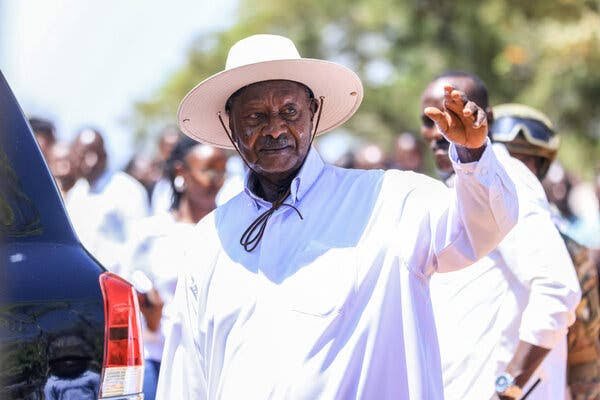
President Yoweri Museveni has identified dependence on rainfall, limited value addition and inadequate access to markets as major obstacles preventing farmers from increasing their earnings.
The government has therefore called for greater investment in irrigation, particularly small-scale and solar-powered systems, to reduce the effects of unpredictable weather.
Authorities also want farmers and rural businesses to process more of their agricultural products locally instead of selling mainly unprocessed commodities.
Industrialisation is another major priority. By encouraging local manufacturing and processing, the government hopes to create employment, increase the value of exports and reduce dependence on imported products.
Tourism, mineral development and the anticipated oil and gas sector are also expected to contribute to economic expansion.
Government Seeks Higher Tax Revenue and Better Spending
Another major part of the government’s economic strategy involves increasing domestic revenue and improving the management of public funds.
President Museveni has argued that Uganda should raise its tax revenue collection from approximately 14 per cent of gross domestic product to more than 25 per cent.
The government believes stronger revenue collection would provide additional resources for infrastructure, public services and development programmes while reducing the need for excessive borrowing.
The Ministry of Finance has outlined plans to strengthen tax administration through digital systems, improved information sharing and closer monitoring of business transactions.
Authorities are also working to improve public procurement and ensure that government projects are completed within approved budgets.
The government says these reforms are necessary to reduce revenue leakages, improve accountability and make better use of available resources.
Experts Call for Policies That Benefit Ordinary Ugandans
Despite the government’s economic interventions, analysts have stressed that stronger growth must be accompanied by policies that directly improve household welfare.
Some economists believe more attention should be given to affordable financing, lower business operating costs, improved infrastructure and employment opportunities for young people.
There are also concerns that high borrowing costs could discourage private investment and make it difficult for small businesses to expand.
The government, however, maintains that stabilising the economy and protecting the value of the shilling are necessary steps towards sustainable development.
The challenge facing Uganda is therefore not simply to maintain economic growth but to ensure that the expansion creates better-paying jobs, supports businesses and makes essential goods and services more affordable.
As preparations for the 2027/2028 budget continue, the effectiveness of the government’s policies will increasingly be measured by their impact on ordinary households.
For many Ugandans, the central question remains whether the country’s economic progress will translate into more jobs, higher incomes and a noticeable improvement in living standards.