Sudan’s paramilitary Rapid Support Forces (RSF) have announced that they have taken control of Bau locality in the Blue Nile region, marking another territorial development in the ongoing conflict with the Sudanese Armed Forces (SAF).
The reported takeover, which occurred on Thursday, November 19, 2026, could further alter the military balance in southeastern Sudan, where fighting between the army and armed groups allied with the RSF has intensified in recent months.
Military sources cited by a report said the RSF entered Bau after Sudanese army troops withdrew from the area and moved towards Ed Damazin, the capital of Blue Nile State. According to the sources, the withdrawal allowed the paramilitary group to take control of the locality without a direct confrontation.
The development comes amid continuing military operations across Blue Nile, where the RSF and its allied forces have been seeking to expand their presence in strategically important areas.
RSF Says Its Forces Took Control of Bau
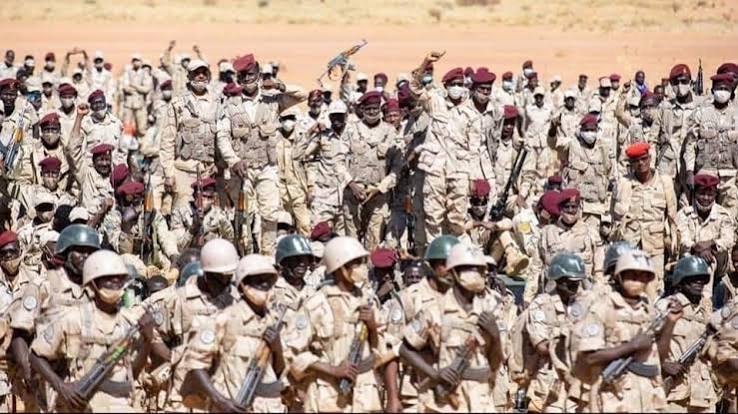
In a statement, the Rapid Support Forces said fighters affiliated with the Sudan Founding Alliance had captured Bau after defeating Sudanese army forces.
However, military sources told a report that the army had withdrawn from the locality towards Ed Damazin before the RSF moved into the area. The reported circumstances surrounding the takeover therefore differ from the RSF’s description of the operation.
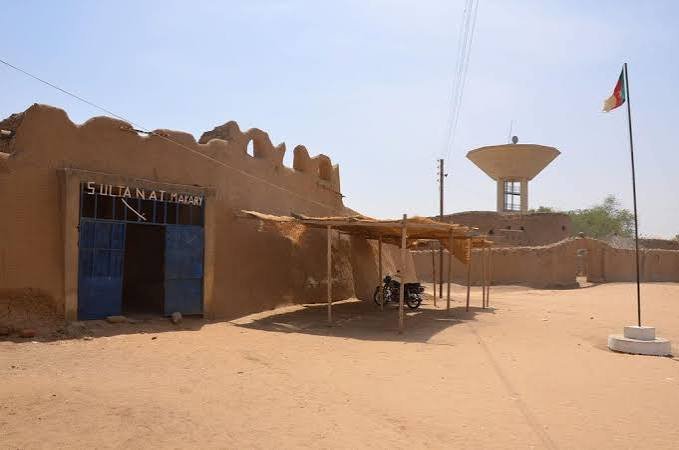
Videos circulated on pro-RSF social media platforms reportedly showed armed fighters outside the administrative headquarters of Bau locality, following the group’s announcement that it had taken control.
The Sudanese army’s withdrawal reportedly involved troops previously associated with the Sudan People’s Liberation Movement-North (SPLM-N), led by Malik Agar, who had been integrated into the military.
Thousands of residents were reportedly forced to flee towards Ed Damazin as the situation developed, raising concerns about further displacement in the region.
Bau’s Strategic Importance in Blue Nile
Bau locality is considered strategically important because of its geographical position within Blue Nile State.
The area serves as a link between parts of the southern and western sections of the region and Ed Damazin, making it important for troop movements, supply networks and communication routes.
Its location also connects areas around Geissan and Kurmuk, both of which have experienced fighting and changes in control during the ongoing conflict.
Bau is also home to communities belonging to the Ingessana ethnic group, making the locality an important area in the region’s social and political landscape.
The reported RSF takeover could potentially strengthen the group’s position in southeastern Sudan and complicate the Sudanese army’s efforts to maintain control over strategic routes and settlements.
RSF and Allies Expand Operations in Blue Nile
The latest development follows a series of military operations in Blue Nile State involving the Rapid Support Forces and an allied faction of the Sudan People’s Liberation Movement-North led by Abdelaziz al-Hilu.
The alliance launched a major offensive in the region earlier this year, which reportedly resulted in the capture of Kurmuk and Geissan localities, alongside parts of Wad al-Mahi and Bout.
These developments have increased pressure on Sudanese army positions in the southeastern part of the country, where the military has been attempting to maintain control over important settlements and border areas.
The conflict in Blue Nile has become part of the broader war between the Sudanese Armed Forces and the RSF, which began in April 2023 and has since spread across several regions of Sudan.
The fighting has disrupted public services, displaced communities and worsened humanitarian conditions, particularly in areas where access to food, healthcare and shelter has become increasingly difficult.
Sudan Accuses Ethiopia of Supporting RSF Operations
The latest military developments in Blue Nile have also heightened regional tensions, with Sudanese authorities accusing neighbouring Ethiopia of supporting the Rapid Support Forces.
The Sudanese government has alleged that Ethiopia allowed RSF fighters to launch cross-border operations from its territory. The accusations come amid growing concerns about the involvement of regional actors in Sudan’s conflict.
However, the allegations regarding Ethiopia’s role remain contested and should be distinguished from independently confirmed military developments on the ground.
Blue Nile State shares borders with Ethiopia and South Sudan, making the region particularly sensitive to developments involving cross-border movement, armed groups and regional security.
The conflict has also raised concerns among neighbouring countries about refugee movements, security threats and the potential spread of instability across the region.
Sudan’s War Continues to Escalate
The reported capture of Bau adds to a series of territorial changes recorded during Sudan’s prolonged conflict.
Both the Sudanese army and the Rapid Support Forces have continued to launch military operations, while civilians remain caught between competing armed groups.
The fighting has created one of the world’s most severe humanitarian crises, with millions of people displaced and many communities facing food shortages, insecurity and limited access to essential services.
As military operations continue in Blue Nile and other regions, the reported takeover of Bau could become another significant development in the struggle for control of southeastern Sudan.
The situation remains fluid, and further developments are expected as both sides continue their military activities in the region.