Hundreds of residents have fled their homes in Cameroon’s Far North region following an armed attack that left at least 15 people dead, adding to concerns over worsening insecurity in communities near the country’s border with Nigeria.
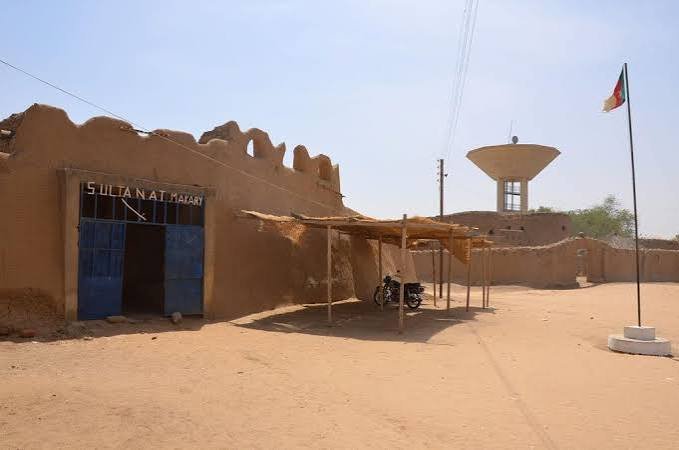
The assault took place in Madegoua, a village close to Makary, and triggered the displacement of residents from about 10 surrounding communities. Many of those escaping the violence have moved towards Kousseri, while others have travelled to Mora and Waza, towns located near the Nigerian border.
The latest violence is part of a wider security crisis affecting Cameroon’s Far North, where armed groups linked to the long-running insurgency around the Lake Chad Basin have continued to target civilians.
15 people killed in Cameroon village attack
The attack reportedly happened before dawn when armed men entered Madegoua and attacked residents.
Local sources said the attackers seized men in the community before killing them. The initial death toll was reported at 13, but two additional victims later died from their injuries while receiving treatment at a hospital in Makary, bringing the number of confirmed deaths to 15.
The victims were subsequently buried, according to reports.
No armed group has publicly claimed responsibility for the assault. However, a security analyst cited by Reuters said the attack was likely carried out by Islamic State West Africa Province (ISWAP), an armed group active in the region. That attribution has not been independently confirmed.
Hundreds flee 10 villages
The violence has forced residents from Madegoua and neighbouring communities to abandon their homes.
Several hundred displaced people have reportedly arrived in towns including Kousseri, Mora and Waza, seeking safety from further attacks.
The sudden movement of people has placed additional pressure on communities and local services already dealing with insecurity and limited resources.
A health official in Waza said some displaced people arrived frightened and were sleeping outdoors without adequate food or security. Reports also indicated that women and children among those who fled had gone several days without food.
The influx has raised fears that the latest violence could develop into a broader humanitarian emergency if displaced residents remain away from their homes for an extended period.
Residents accuse armed groups of forcing them out
Some displaced residents said armed fighters had previously ordered people in the affected villages to leave.
Kassoum Saley, one of those who fled, said residents had been instructed to abandon their communities and accused the attackers of killing people and taking belongings.
Residents also described the difficulties they face while trying to protect themselves from further attacks.
The security situation has reportedly become severe enough for some communities to organise overnight watches, with residents attempting to protect their villages during the hours when attacks are considered most likely.
Far North Cameroon faces persistent insecurity
Cameroon’s Far North has experienced years of violence involving Boko Haram and other armed groups operating around Lake Chad.
The region shares borders with both Nigeria and Chad, making it part of a wider security environment that stretches across several countries.
The continuing violence has resulted in repeated attacks on civilians, displacement and pressure on already fragile humanitarian services.
A recent UNFPA assessment covering August 2026 reported that non-state armed groups continued attacks in Cameroon’s Far North, while military operations also contributed to civilian casualties and displacement. The agency said humanitarian needs remained significant amid pressure on health services.
Cameroon and regional security efforts
Cameroon is part of the Multinational Joint Task Force, a regional military arrangement involving countries around Lake Chad that was established to combat Boko Haram and other armed groups.
Despite regional security operations, attacks continue to affect communities in remote areas.
The latest assault in Madegoua highlights the continuing vulnerability of civilians living in the Far North, particularly communities located away from major population centres.
For residents who have fled, the immediate priority is finding safe shelter, food and medical assistance.
Humanitarian concerns grow
The latest displacement comes as humanitarian organisations are already dealing with multiple challenges in Cameroon.
The UNFPA reported that insecurity in the Far North has continued alongside outbreaks of diseases and limited resources for health services.
The arrival of hundreds of displaced residents in border towns could therefore increase demand for food, healthcare and temporary accommodation.
The situation also has implications for neighbouring Nigeria, as some of the affected communities are located close to the border and residents fleeing violence may move across or towards border areas.
With no group claiming responsibility for the Madegoua attack and the security situation remaining unstable, residents are facing continued uncertainty over whether they can safely return home.
The deaths of 15 people and the displacement of hundreds underline the continuing impact of armed violence in Far North Cameroon, where communities remain caught between militant attacks, displacement and limited humanitarian support.