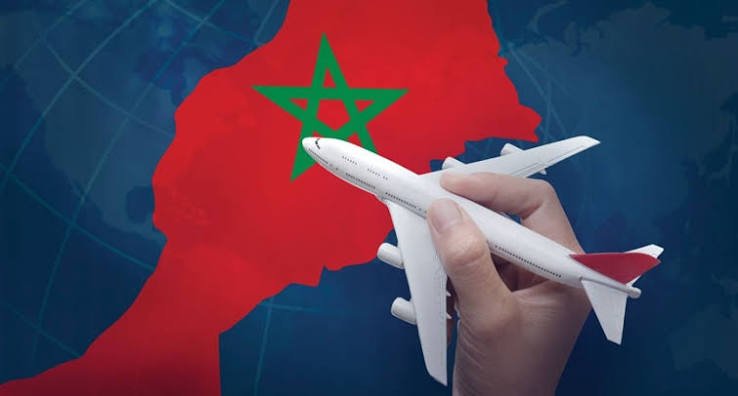
Morocco has announced a major initiative to strengthen aviation safety and technical expertise across Africa, committing MAD 30 million to train 300 civil aviation inspectors from different African countries over three years.
The programme, scheduled to run from 2027 to 2029, is designed to improve the ability of African nations to monitor their aviation industries, enforce international safety regulations and maintain higher standards in air transport operations.
The agreement was signed on Tuesday, November 17, in Montreal, Canada, by Morocco’s Minister of Transport and Logistics, Abdessamad Kayouh, and the Secretary General of the International Civil Aviation Organization (ICAO), Juan Carlos Salazar.
The signing took place on the sidelines of the seventh World Air Transport Conference (ATConf/7), where aviation stakeholders and government representatives gathered to discuss developments and challenges affecting international air transport.
Under the arrangement, Morocco will finance the training programme through an investment of MAD 30 million, with 100 inspectors expected to benefit annually.
The initiative will also feature 18 training sessions approved by the ICAO, providing participants with specialised knowledge and practical skills required to supervise civil aviation activities.
The development represents another step in Morocco’s efforts to strengthen its relationship with African countries and contribute to the development of a safer and more integrated continental aviation system.
Programme to Cover Six Major Aviation Areas
The training initiative will focus on important technical areas required for effective regulation and supervision of the aviation industry.
Participants will receive instruction in aircraft operations, airworthiness, aviation personnel licensing, airport management, air navigation services and civil aviation security.
These areas are essential to ensuring that airlines, airports and other aviation service providers operate according to internationally recognised standards.
Aircraft operations training will help inspectors understand how to assess airline activities and ensure compliance with established operational requirements.
Airworthiness training, meanwhile, will focus on the technical condition, maintenance and safety of aircraft throughout their operational life.
The programme will also address the licensing of aviation personnel, including the professional requirements expected of individuals working in safety-critical positions.
Other sessions will concentrate on airport infrastructure, air traffic and navigation services, as well as security measures designed to protect passengers, aircraft and aviation facilities.
By developing expertise in these areas, Morocco and the ICAO hope to improve the quality of aviation oversight across participating African countries.
Morocco and ICAO Strengthen Existing Partnership
The latest agreement builds on an earlier arrangement signed in Marrakech on April 14, 2026, during the fifth ICAO Global Implementation Support Symposium.
The previous agreement established the foundation for cooperation between Morocco and the international aviation organisation, particularly in developing technical training opportunities for civil aviation inspectors.
However, the November agreement provides additional operational and financial arrangements needed to implement the programme between 2027 and 2029.
The partnership also reflects the ICAO’s broader commitment to helping developing countries improve their aviation regulatory systems.
Through its capacity-building initiatives, the organisation seeks to ensure that countries have the technical resources and skilled personnel required to meet international aviation requirements.
The Moroccan-funded programme is expected to support these objectives by providing African aviation authorities with access to specialised training and professional development opportunities.
Initiative Aims to Improve Aviation Safety Across Africa
One of the major objectives of the programme is to strengthen the ability of African governments to supervise their national aviation industries.
Effective aviation oversight is essential because countries must regularly assess airlines, airports, aircraft maintenance facilities and other aviation service providers to ensure they comply with international safety requirements.
Insufficient technical expertise can make it difficult for aviation authorities to identify operational weaknesses, enforce regulations and respond effectively to safety concerns.
The training programme is therefore expected to help participating countries address gaps in their regulatory systems.
It will also support improvements in their performance during aviation safety audits conducted under ICAO programmes.
Better audit performance is particularly important for African countries seeking to strengthen international confidence in their aviation industries, attract investment and expand air connectivity.
The initiative could also encourage greater cooperation between aviation regulators across the continent through professional exchanges and the sharing of technical knowledge.
ICAO Praises Morocco’s Contribution to African Aviation
Speaking during the signing ceremony, ICAO Secretary General Juan Carlos Salazar commended Morocco for its progress in developing the country’s civil aviation industry.
He highlighted the North African country’s investments in airport infrastructure, improved air connectivity and professional training.
Salazar also acknowledged Morocco’s contribution to international aviation cooperation, particularly its hosting of the fifth ICAO Global Implementation Support Symposium in Marrakech.
His remarks highlighted Morocco’s growing involvement in initiatives aimed at strengthening aviation capabilities beyond its national borders.
The ICAO chief’s recognition also reflects the importance of cooperation between governments and international organisations in addressing aviation challenges across developing regions.
Morocco Reaffirms Commitment to African Cooperation
Transport and Logistics Minister Abdessamad Kayouh said the initiative reflects Morocco’s commitment to strengthening international partnerships and supporting the development of African countries.
He emphasised the country’s willingness to share its institutional resources, technical knowledge and training facilities with its African partners.
Kayouh also linked the programme to the vision of King Mohammed VI, which places considerable importance on South-South cooperation, African integration and stronger relationships between developing economies.
Morocco has increasingly pursued partnerships with African countries across different sectors, including infrastructure, finance, agriculture, energy and transportation.
The aviation training programme forms part of these wider efforts to support economic cooperation and knowledge exchange across the continent.
The minister reiterated Morocco’s readiness to contribute to international initiatives aimed at making aviation safer, more efficient and sustainable.
What the Programme Means for Africa’s Aviation Industry
The aviation sector plays an important role in Africa’s economic development, supporting tourism, international trade, investment and the movement of people between countries.
However, maintaining effective safety oversight remains a major responsibility for national aviation authorities.
The shortage of specialised technical personnel in some countries can create difficulties in monitoring airline operations, aircraft maintenance and airport security.
By training 300 inspectors, Morocco’s initiative is expected to help participating countries improve their regulatory capabilities and strengthen professional standards.
The programme could also contribute to better regional cooperation by encouraging aviation authorities to exchange expertise and adopt more consistent approaches to safety supervision.
Beyond aviation safety, stronger regulatory systems could improve investor confidence and support the expansion of air transport services across African markets.
Nevertheless, the long-term impact will depend on how effectively participating countries deploy the trained inspectors and apply the knowledge acquired through the programme.
Morocco’s MAD 30 million aviation training initiative represents a significant investment in developing technical expertise and strengthening civil aviation oversight across Africa.
By supporting the training of 300 inspectors between 2027 and 2029, the country is seeking to help African aviation authorities improve safety standards, regulatory performance and professional capacity.
The partnership with the International Civil Aviation Organization also reinforces Morocco’s commitment to South-South cooperation and continental integration.
As African countries continue to expand their aviation industries, initiatives that improve technical skills and regulatory capabilities could play an important role in building a safer, more connected and competitive aviation sector.