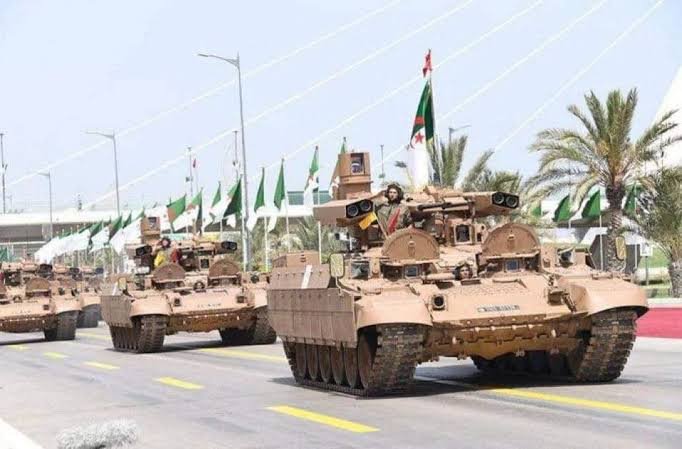
Algeria has deployed its first military convoy to neighbouring Niger, marking a significant shift in its foreign military policy as security threats continue to destabilise parts of the Sahel region.
The arrival, reported on Friday, October 30, represents Algeria’s first overseas troop deployment since it sent soldiers to support Egypt during the 1973 Arab-Israeli War.
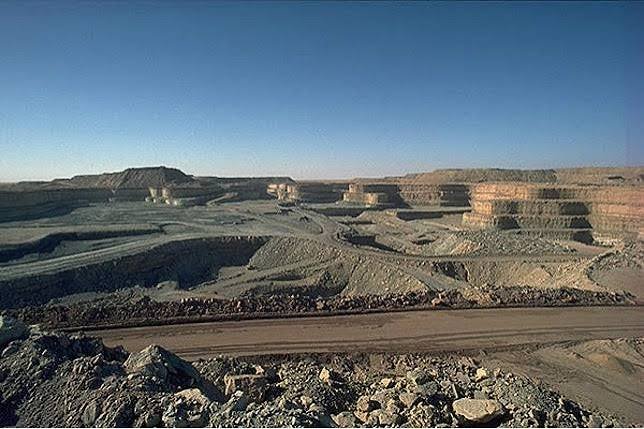
According to Reuters, which cited 10 people familiar with the development, the Algerian military convoy reached Arlit, a uranium-mining town in northwestern Niger. The deployment comes amid persistent attacks by armed groups linked to al-Qaeda and the Islamic State, which have contributed to widespread insecurity across the Sahel.
Algeria shares a long border with Niger and has traditionally considered stability in the Sahel-Sahara region essential to its national security. The latest move suggests that Algiers is becoming more willing to take a direct military role in addressing threats beyond its borders.
Algeria expands its military involvement beyond its borders
The deployment follows a decision by Algeria’s parliament on October 25 to authorise the sending of National Army units to Niger.
The initial plan identified Madama, in northern Niger near the Libyan border, as the location for the deployment. However, the latest Reuters report indicates that the first convoy has arrived in Arlit, further highlighting the progress of the military operation.
Algerian authorities have said the deployment is intended to protect the country’s economic and energy interests. However, officials have not publicly disclosed the number of soldiers involved, the full operational details or how long the mission is expected to last.
The decision is particularly significant because Algeria has historically maintained a cautious position on military intervention outside its territory. Its last comparable foreign deployment dates back more than five decades.
A 2020 constitutional reform, however, created a legal framework allowing Algerian forces to operate abroad with parliamentary approval under specific conditions.
Jihadist attacks continue to threaten Niger
Niger remains under pressure from armed groups operating across the wider Sahel, particularly organisations affiliated with al-Qaeda and the Islamic State.
The country has experienced years of militant attacks, especially in areas close to its borders with Mali and Burkina Faso. These attacks have weakened local security, displaced communities and complicated efforts to restore stability.
The wider region has also faced political upheaval, with military governments taking power in Niger, Mali and Burkina Faso following coups. The three countries have since established the Alliance of Sahel States, a regional bloc intended to strengthen cooperation on security and other shared interests.
Algeria’s decision to send troops reflects concerns that instability in neighbouring countries could spill across its borders. It also points to a growing emphasis on regional security partnerships as militant activity continues to challenge governments across the Sahel.
Energy interests form a major part of Algeria’s strategy
Beyond security concerns, Algeria has important economic interests in Niger, particularly in the oil and gas sector.
Algeria’s state-owned energy company, Sonatrach, has investments in Niger and is involved in cooperation surrounding the proposed Trans-Saharan Gas Pipeline.
The project, which also involves Nigeria, is designed to transport natural gas from Nigeria through Niger to Algeria before reaching international markets, including Europe.
If completed, the pipeline could create an important export route for Nigerian gas while strengthening energy cooperation among the three countries.
Sonatrach has also been involved in oil exploration activities in Niger’s Kafra region. The company’s presence gives Algeria an additional economic reason to monitor security conditions around strategic infrastructure and energy operations.
Protecting these interests is therefore an important consideration behind the deployment, although the full responsibilities of the military contingent have not been made public.
Deployment signals improving relations between Algiers and Niamey
The arrival of Algerian troops also reflects a gradual improvement in relations between the two countries following a period of diplomatic tension.
Algeria initially opposed the July 2023 coup that removed Niger’s elected president, Mohamed Bazoum, from office. Relations became more strained last year after Niger recalled its ambassador from Algiers following a dispute involving the downing of a Malian drone near the Algerian border.
However, diplomatic and military contacts have increased in recent months.
Niger’s President, Abdourahamane Tiani, visited Algiers in February, while Defence Minister Salifou Mody travelled to Algeria in October for discussions with security officials.
The renewed engagement has created room for closer cooperation, particularly as both governments face security challenges that extend across national boundaries.
What Algeria’s deployment could mean for the Sahel
Algeria’s military presence in Niger could mark an important development in the region’s security landscape. Its involvement may strengthen cooperation between the two governments and provide additional protection for strategic economic interests.
However, the deployment also raises questions about the scope of Algeria’s military commitment and whether its forces will remain focused on protecting infrastructure or become involved in wider security operations.
For now, the number of soldiers deployed and the precise mission arrangements remain undisclosed.
What is clear is that Algeria has taken a notable step away from its traditional reluctance to deploy troops abroad. With militant violence continuing across the Sahel and major energy projects depending on regional stability, the relationship between Algiers and Niamey is likely to become increasingly important.