Mozambique has secured an agreement with China to adjust some of its debt repayment deadlines, offering the southern African country temporary relief as it struggles with mounting pressure on public finances.
The agreement, announced by Mozambique’s Finance Ministry, is intended to ease immediate demands on the state budget and give the government greater flexibility to fund essential services, infrastructure and other national priorities.
However, the government has not disclosed the total value of the debt covered by the arrangement or the full repayment terms. The deal focuses on changing payment schedules rather than confirming a comprehensive cancellation of Mozambique’s outstanding obligations.
China Agrees to Adjust Mozambique’s Debt Payments
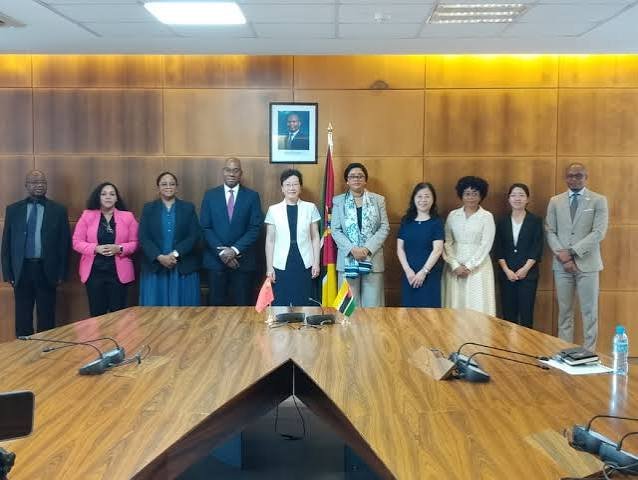
The agreement was signed in Maputo on Monday, October 26, by Finance Minister Carla Loveira and China’s ambassador to Mozambique, Zheng Xuan.
It follows discussions between Mozambican President Daniel Chapo and Chinese President Xi Jinping during Chapo’s state visit to China in April 2026.
Mozambique’s government said the arrangement forms part of its Medium-Term Public Debt Management Strategy for 2025–2029. The strategy aims to align repayment commitments more closely with the country’s ability to meet them while maintaining spending on development programmes.
The agreement will require further financial arrangements with the Export-Import Bank of China, commonly known as Exim Bank, before implementation can be completed.
The rescheduling is expected to provide some breathing room for the government, but it does not mean that Mozambique’s broader debt challenges have been resolved.
Mozambique Seeks Further Debt Relief
Beyond the agreement with Beijing, Mozambique says it intends to pursue additional negotiations with creditors to reduce pressure on government finances.
The Finance Ministry has indicated that the government prefers negotiated solutions that improve the repayment profile of its debt while avoiding a comprehensive restructuring if possible. Officials are also considering discussions with bilateral lenders about converting some debt into investments.
Mozambique is seeking an additional $528 million in external financing to complement an International Monetary Fund programme it hopes to secure, according to Reuters. The funding requirement highlights the scale of the country’s financial difficulties despite the latest agreement with China.
China Remains Mozambique’s Largest Bilateral Creditor
China is an important financial partner for Mozambique and has funded infrastructure projects over the years, including roads, bridges, public buildings, airports and energy-related developments.
Official figures cited in the Reuters report show that Mozambique owed China approximately $1.28 billion at the end of June 2026. That represented nearly 15% of the country’s total external debt, making China its largest bilateral creditor.
Adjusting repayment dates could help Mozambique manage its immediate cash requirements. However, the overall impact will depend on the final terms, including how much debt is covered and when the postponed payments become due.
The agreement also illustrates the importance of negotiations with major creditors as Mozambique tries to balance debt obligations with public investment and social spending.
Mozambique’s Debt Problems Run Deep
The country’s financial difficulties intensified after the discovery of a hidden-debt scandal in 2016. The scandal involved more than $2 billion in previously undisclosed loans linked to state-owned companies and government guarantees.
The revelations damaged investor confidence, contributed to a sovereign debt crisis and restricted access to international financing. Mozambique has since pursued measures intended to improve fiscal management and restore financial credibility.
The country also faces challenges in translating its natural resources into stronger public revenue. Delays affecting major natural gas projects have postponed some of the export earnings and government income that were expected to support economic growth and public finances.
The combination of existing debt obligations, limited fiscal room and delayed resource revenues has made debt management a pressing issue for the government.
What the Agreement Means for Mozambique’s Economy
The Chinese debt arrangement could provide the government with greater flexibility to plan expenditure and manage payments in the short term. If implemented effectively, it may help reduce immediate pressure on the budget and preserve resources for essential services and infrastructure.
Nevertheless, rescheduling debt is not the same as eliminating it. Unless repayment terms include reductions in the amounts owed, the obligations will remain and must be managed over time.
Mozambique will therefore need to combine creditor negotiations with broader efforts to strengthen revenue collection, manage public spending and attract investment. Securing additional external financing will also be important as the government works towards its economic and development objectives.
For China, the agreement maintains its role as a major financial partner while allowing both countries to address Mozambique’s repayment challenges through negotiation.
Outlook: A Step Towards Greater Financial Stability
Mozambique’s agreement with China represents a practical step towards easing immediate budget pressures, but the country still faces substantial financial challenges.
The government’s next task will be to finalise the necessary arrangements with Exim Bank and continue discussions with other creditors. The results of those negotiations, together with progress on external financing and major energy projects, will help determine whether the country can put its public finances on a more sustainable path.
For now, the deal offers Mozambique additional room to manage its obligations. Its long-term value, however, will depend on whether the government can turn that temporary flexibility into lasting improvements in debt sustainability and economic stability.