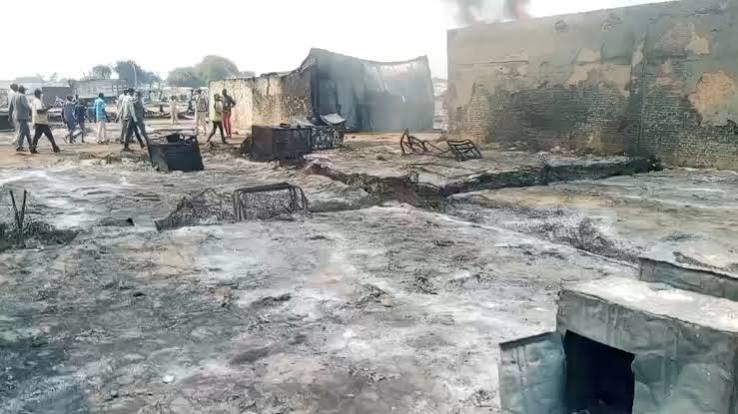
The United Nations has raised alarm over the growing use of drones in Sudan’s war, reporting that at least 306 people were killed and hundreds more injured in drone attacks during the first three weeks of October 2026.
UN High Commissioner for Human Rights Volker Türk said the escalating strikes were taking a devastating toll on civilians and damaging essential infrastructure across several parts of the country. The attacks have affected homes, markets, hospitals, displacement centres, electricity facilities and water supplies, according to the UN human rights office.
The findings highlight the mounting danger facing people caught between Sudan’s warring parties, the Sudanese Armed Forces and the paramilitary Rapid Support Forces (RSF). Both sides have been linked to drone attacks, although responsibility for individual incidents varies and some allegations remain under investigation.
The latest figures add to a broader pattern of civilian casualties documented during the conflict, which erupted in April 2023 and has triggered widespread displacement, hunger and the destruction of public services.
Drone attacks spread across several regions
Türk expressed concern about the expansion of drone warfare in Sudan, with deadly incidents reported in Kordofan, Darfur, Blue Nile, Khartoum and other states.
According to the UN, the frequency of drone strikes has increased substantially since the beginning of the year, with attacks occurring almost daily during October. Retaliatory operations have also become a growing concern, raising the risk of further escalation between the rival forces.
One example cited by the UN involved attacks around Khartoum, including the airport area, reportedly carried out by RSF drones in response to alleged army airstrikes on Nyala in South Darfur.
The increasing reliance on unmanned aircraft has widened the range of locations exposed to attacks, including areas where civilians gather for trade, work, medical care or shelter.
Human rights officials have warned that military operations must distinguish between combatants and civilians. Civilian facilities and people who are not participating in hostilities are protected under international humanitarian law.
Displacement centres hit by deadly strikes
Some of the most troubling incidents involved locations where people had sought refuge after fleeing earlier violence.
The UN reported that drone attacks attributed to the Sudanese army on displacement shelters in Ghibeish and El Nahud, in West Kordofan, between October 6 and 10 killed 25 civilians and wounded 31 others, including women and children.
Another attack, attributed to the RSF, reportedly struck a gathering of displaced people working in artisanal mining near a shelter in Abu Shindi, in the Blue Nile region, on October 9. The strike killed 31 people, most of them women and children, according to the UN human rights chief.
These incidents underscore the dangers faced by people who have already been forced from their homes by fighting. Displacement sites are intended to offer refuge, but repeated attacks have made safety increasingly difficult to guarantee.
Humanitarian organisations also face additional challenges when violence affects the areas where displaced families seek shelter, as access to medical care, food, clean water and other necessities can be disrupted.
Gold mining areas and transport routes also targeted
The UN raised further concerns over attacks on economically important sites, including gold mining areas that have become connected to Sudan’s wider war economy.
Türk said an RSF-attributed attack on gold mining locations in the Bajoun area of Gadir locality, South Kordofan, on October 9 and October 16 killed 42 civilians and injured another 25.
He warned that the economic value of a site, or its alleged contribution to an opposing force’s finances, does not automatically make it a lawful military target under the laws of war. Any assessment must consider the legal requirements governing military objectives and civilian protection.
The UN also reported a particularly deadly incident on October 18 in the Dibab area of West Kordofan, which is controlled by the RSF. A transport vehicle was struck in what Türk described as a double attack, leaving 139 people dead and dozens injured.
The incident illustrates the catastrophic consequences that can follow when strikes hit vehicles carrying civilians or other people whose status and activities must be assessed under international humanitarian law.
Markets and healthcare facilities face growing risks
Markets have also become increasingly dangerous in several parts of Sudan, according to the UN.
Attacks in Ed Debba in the north, Nyala in South Darfur and El Odaya in West Kordofan reportedly killed 23 civilians. Separately, the Integrated Food Security Phase Classification reported more than 170 airstrikes, looting incidents or armed clashes affecting markets in the Kordofan region during 2026.
These attacks threaten more than individual lives. Markets are essential for communities that depend on trading livestock, buying food and selling agricultural produce. Disruptions can deepen shortages and make basic goods harder to obtain, especially for families already struggling with the effects of war.
Healthcare has suffered as well. The UN said an RSF-attributed drone strike hit Um Darfa Hospital in the Blue Nile region on October 11, seriously injuring two health workers and forcing the facility out of service.
Damage to medical facilities can leave entire communities without treatment at a time when injuries, disease and malnutrition may already be placing heavy demands on the health system.
UN urges both sides to protect civilians
Türk called on the Sudanese Armed Forces and the RSF to meet their obligations under international humanitarian law, including the prohibition on deliberately directing attacks against civilians and civilian objects.
He also urged international actors to address the continued flow of weapons into the conflict, arguing that the supply of arms is helping sustain violence and enabling further violations.
The UN human rights chief said a negotiated settlement that places human rights and accountability at its centre remains the most viable route towards lasting peace. He stressed that those responsible for widespread abuses must be held accountable.
The latest figures add urgency to international efforts to secure a halt to attacks on civilians and improve humanitarian access across Sudan.
As drone strikes become more frequent, the risks extend beyond front-line positions to markets, hospitals, transport routes and places where displaced families seek safety. Without meaningful steps to protect civilians and reduce the intensity of fighting, the human cost of Sudan’s conflict is likely to remain a major concern.