The Malian military has reported the discovery of 54 bodies at a settlement near Ménaka in the country’s northeastern region, following reports of a deadly assault on civilians. Nine survivors were found and transported to the town for medical assistance, according to the army’s announcement on October 24, 2026.
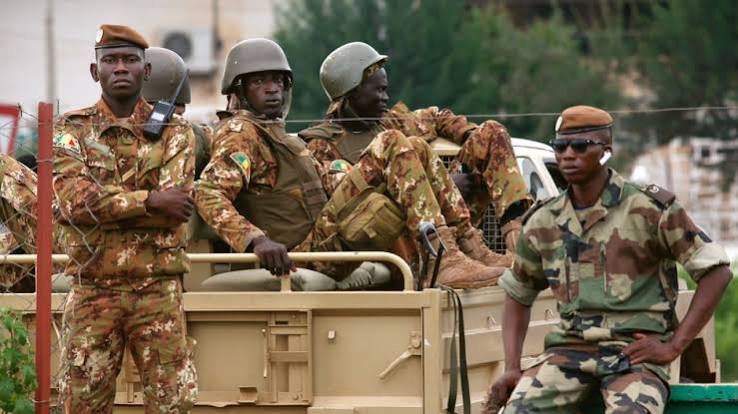
The bodies were discovered at Tagadayat, a settlement located approximately 35 kilometres southeast of Ménaka. A joint patrol involving Malian armed forces and their partners was deployed to the area after receiving information about an attack on civilians.
The military said the victims were buried at the site, while the survivors were evacuated to Ménaka to receive care. The circumstances surrounding the killings remain a serious concern as insecurity continues to affect communities in northeastern Mali.
Army points to Islamic State-linked militants
In its initial account of the incident, the Malian military said testimony gathered from survivors and other sources implicated the Islamic State in the Greater Sahara (ISGS), an armed extremist group operating in parts of the Sahel.
The allegation has not been presented as a final judicial determination, and the available reports do not indicate that the group has publicly claimed responsibility for the killings.
The group operates in the wider border region linking Mali, Niger and Burkina Faso, where armed organisations have carried out attacks against civilians and security forces. The region has faced years of violence involving extremist groups, local armed factions and government forces.
The reported killings add to the pressure on authorities to protect rural communities and prevent further attacks on people living in remote settlements.
Discovery follows earlier reports of civilian deaths
The army’s announcement came several days after the Idaksahak community reported that at least 48 civilians had been killed in an attack at Tagadayat on October 18.
In a statement issued on October 19, community representatives also described families fleeing the violence and called for urgent humanitarian assistance. Reports associated with the earlier incident said homes had been set on fire and livestock taken.
The earlier figure of 48 deaths and the army’s subsequent discovery of 54 bodies should not be added together. Available information does not establish whether the two figures refer to separate groups of victims or overlapping counts linked to the same attack.
The latest military announcement has nevertheless increased concern about the scale of the violence affecting communities around Ménaka.
Residents moved as security measures increase
Following the discovery, the Malian armed forces said they had strengthened protection for people considered vulnerable to further attacks.
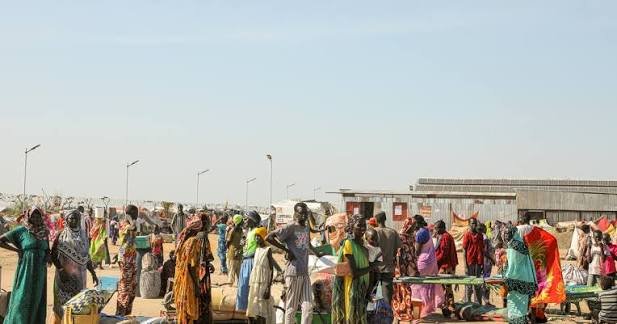
Military personnel have also been helping residents leave threatened settlements and move towards Ménaka, where they may have better access to security and essential services. Patrols and security operations are continuing in the surrounding area, according to the army.
Such movements can help people escape immediate danger, but they may also leave families facing uncertainty over shelter, food, healthcare and the future of their homes and livelihoods.
Humanitarian needs are an additional concern in conflict-affected parts of the Sahel, where repeated attacks can force communities to abandon livestock, farmland and other sources of income.
Ménaka remains affected by the wider Sahel security crisis
The Ménaka region lies in northeastern Mali, an area that has experienced persistent insecurity involving extremist groups and other armed actors.
Across the Sahel, governments have struggled to contain militant violence despite military operations and changes in security partnerships. Attacks on remote communities remain particularly difficult to prevent because settlements can be far from major towns and security installations.
The latest incident underscores the risks facing civilians caught in the conflict. While the military has attributed the killings to ISGS based on preliminary testimony, further investigation would be needed to establish responsibility and clarify the full circumstances of the attack.
For families affected by the violence, immediate priorities include medical support for survivors, protection from further attacks and assistance for displaced residents.
The discovery of the bodies at Tagadayat is another grim development in Mali’s continuing security crisis. Whether strengthened patrols and the relocation of vulnerable residents can prevent further bloodshed will be an important test for authorities operating in the region.