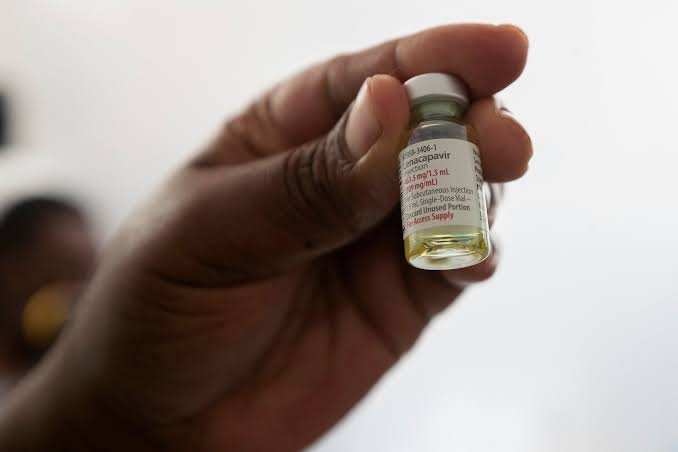
Uganda is seeing renewed hope in the fight against HIV following the introduction of a long-acting preventive injection, but limited supplies are preventing many people from accessing the new treatment.
The drug, known as lenacapavir, offers an alternative to daily HIV prevention pills because it can provide protection with injections administered twice a year. However, health workers and community organisations in parts of the country say demand is far greater than the number of doses currently available.
The shortage is particularly concerning in Mbarara, a city in western Uganda where HIV prevalence is reported to be around 10 per cent — approximately twice the national average, according to the report published by Africanews on October 24, 2026.
Lenacapavir raises hopes for HIV prevention
Lenacapavir has attracted international attention because it reduces the need for people to remember to take preventive medication every day. The United States approved the injection for HIV prevention in 2025, following studies that demonstrated very high levels of protection among people at increased risk of infection.
Although it is not a vaccine and does not cure HIV, the medicine could strengthen existing prevention programmes by giving people another option for reducing their risk of acquiring the virus.
The six-month dosing schedule may be especially useful for people who find daily pills difficult to maintain because of work, travel, stigma or other personal circumstances.
In Uganda, however, access remains limited. The available doses have been distributed among selected areas, including Mbarara and Lira in the north. Some people who cannot obtain lenacapavir are being offered cabotegravir, another injectable HIV prevention medicine that is generally administered every two months.
Community organisations warn about gaps in prevention services
Immaculate Nyamwija, who leads the Mbarara-based organisation Action for Improved Health and Wealth, supports women who may encounter discrimination when seeking healthcare.
Her organisation provides counselling and HIV prevention support, including condoms, to people who need assistance accessing services.
Nyamwija has also raised concerns about reductions in funding for community outreach programmes. These initiatives previously brought HIV testing, counselling and preventive medication closer to people in vulnerable communities.
With some of those activities reduced, people may be less likely to get tested or seek medical advice early. This can delay diagnosis and make it harder to connect people with appropriate treatment and prevention services.
The challenge highlights why introducing new medicines alone may not be enough to reduce infections. Regular testing, public education, accessible clinics and sustained funding remain important parts of an effective HIV response.
Sex workers among those seeking the new injection
Demand for lenacapavir is particularly strong among sex workers, some of whom say the longer interval between injections would make it easier to maintain their protection.
In Mbarara, the Kijungu area is known for commercial sex work. People working in this environment may face additional barriers to healthcare, including stigma and difficulty maintaining regular access to preventive medication.
Nyamwija says the longer-lasting injection could offer greater flexibility to people whose work requires them to move between locations. Unlike daily pills, the treatment does not require someone to remember to take medication every day, although follow-up appointments and injections must still be maintained as recommended by health professionals.
One woman interviewed by the Associated Press, identified as Lisa Mutoni, said she would prefer lenacapavir but has struggled to obtain it when visiting health facilities. She previously used daily prevention pills before switching to cabotegravir.
Mutoni also described the importance of condom use, noting that some sexual partners resist using them. Her experience illustrates why HIV prevention requires a combination of approaches rather than relying on a single medicine.
Health professionals say consistent condom use, regular testing and access to preventive medication remain essential, particularly in communities where exposure risks may be high.
HIV remains a major public health concern in Uganda
Uganda has an estimated 1.5 million people living with HIV, according to the Africanews report. The situation in Mbarara is especially concerning because its reported prevalence is significantly higher than the national average.
Health workers have highlighted unprotected sex and inconsistent condom use among factors contributing to transmission. They also stress the importance of ensuring that people understand how HIV spreads and where they can obtain reliable prevention services.
The availability of lenacapavir could help expand the range of preventive options, but limited stocks mean that many people who want the injection may have to wait or consider another suitable method.
People who believe they could benefit from HIV prevention medication should speak with a qualified healthcare provider about their circumstances and the options currently available to them. Lenacapavir is intended to prevent HIV infection in people who do not have HIV; it is not a substitute for HIV testing or treatment for those who have already acquired the virus.
Global efforts aim to expand access
International funding and pharmaceutical partnerships could help address the current supply gap.
The United States government and the Global Fund have set a goal of purchasing lenacapavir for as many as three million people by the end of 2028. According to figures cited in the Africanews report, 430,000 doses had been delivered by mid-September 2026, while national programmes reported that more than 118,000 people had received the medicine.
The manufacturer, Gilead Sciences, has said it plans to supply the medicine at no profit through partnerships with the Global Fund and the US President’s Emergency Plan for AIDS Relief (PEPFAR) while approved generic manufacturers increase production.
Initial supplies of generic versions are expected in late 2026, with broader availability anticipated in 2027, according to the company’s statement reported by the Associated Press.
Wider access to lower-cost generic medicines could help more countries incorporate the injection into their HIV prevention programmes. However, the impact will depend on reliable procurement, funding, distribution systems and the ability of health facilities to reach people who need protection.
Turning medical progress into wider access
Uganda’s experience illustrates the gap that can emerge between a promising medical breakthrough and its availability to the public. Lenacapavir could make HIV prevention easier for many people, particularly those who struggle with daily medication, but shortages are limiting its immediate impact.
Health authorities and international partners face the challenge of expanding supplies while maintaining other essential prevention services, including testing, counselling, condom distribution and access to alternative preventive medicines.
For communities such as Mbarara, the priority is to ensure that the benefits of new HIV prevention technology reach people who need it, rather than remaining limited by supply constraints.
The new injection represents an important development in the fight against HIV, but its long-term contribution will depend on whether governments and their partners can make it consistently available and strengthen the wider services needed to prevent new infections.