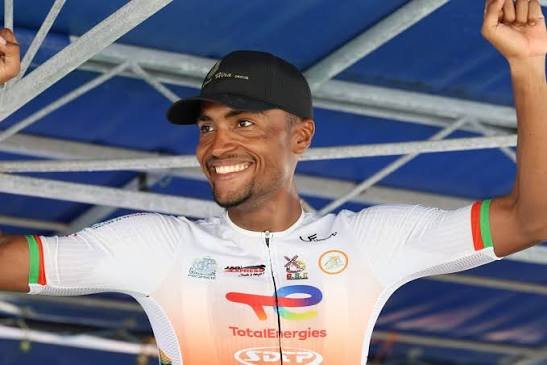
Daumont’s participation is expected to be a major talking point ahead of the opening stage. The two-time champion currently races in Guadeloupe for CSCA Propreté 2000 and was scheduled to travel to Ouagadougou on October 21.
His participation was confirmed by Martin Sawadogo, national technical director of the Burkina Faso Cycling Federation.
The host nation is preparing a strong challenge, with 21 riders shortlisted for the national squad. Eighteen cyclists are expected to make the final selection, with Daumont serving as a key figure in the team’s bid to retain the coveted yellow jersey.
However, the defending champion will face competition from experienced riders representing the visiting countries. Consistency across the 10 stages, team coordination and the ability to recover between demanding races will be important factors in determining the eventual winner.
Tour du Faso 2026 Route Covers Nearly 2,400 Kilometres
The race will feature 10 stages covering approximately 1,400 kilometres of competitive cycling. Transfers between stages will add another 988 kilometres, bringing the overall distance to about 2,388 kilometres.
The route will pass through eight regions of Burkina Faso, giving competitors a demanding schedule while showcasing different parts of the country.
The opening stage on October 30 will take riders from Ouagadougou to Kaya. Other stages will connect destinations including Koudougou, Boromo, Bobo-Dioulasso, Pâ, Léo, Pô, Koupéla and Ziniaré.
One of the toughest challenges is expected to be the 167.53-kilometre stage between Tenkodogo and Ziniaré. The final stage, scheduled for November 8, will cover 111.37 kilometres from Dapélogo to Ouagadougou, including a circuit in the capital.
With such a demanding schedule, cyclists will need endurance, tactical awareness and strong teamwork to remain competitive throughout the event.
Organisers Set Budget at 420 Million CFA Francs
The organising committee has estimated the budget for this year’s competition at 420 million CFA francs.
Officials have emphasised the race’s importance in developing cycling talent, encouraging young people to participate in sport and raising Burkina Faso’s international profile.
Hosting teams from 12 foreign countries also offers an opportunity to strengthen sporting relationships across Africa and Europe. The race can provide local riders with valuable experience while giving visiting teams exposure to a challenging multi-stage competition.
The event is also expected to showcase Burkina Faso’s regional communities and tourism potential as the peloton travels across the country.
Expectations Rise Ahead of the Opening Stage
With the foreign delegations expected to attend and Daumont preparing to defend his title, attention is turning towards the start of the 2026 Tour du Faso.
Burkina Faso will aim to capitalise on home support, while visiting teams will seek to challenge the defending champion and secure important stage victories.
The race promises 10 days of competition, with endurance, strategy and consistency likely to determine who finishes at the top of the standings.
As the October 30 start approaches, the 37th edition is shaping up to be a significant event for Burkina Faso and the wider African cycling community.