Burkina Faso’s military-led government has reinstated the death penalty through a revised penal code, reversing the country’s 2018 decision to abolish capital punishment for ordinary crimes. The move has renewed debate over security, criminal justice and human rights under the country’s ruling junta.
The revised legislation was unanimously approved by the country’s 71-member unelected legislative assembly on Tuesday, October 20, 2026, following its presentation by Justice Minister Edasso Rodrigue Bayala. The Justice Ministry announced the decision, describing the changes as part of efforts to strengthen the country’s legal framework and respond to security challenges.
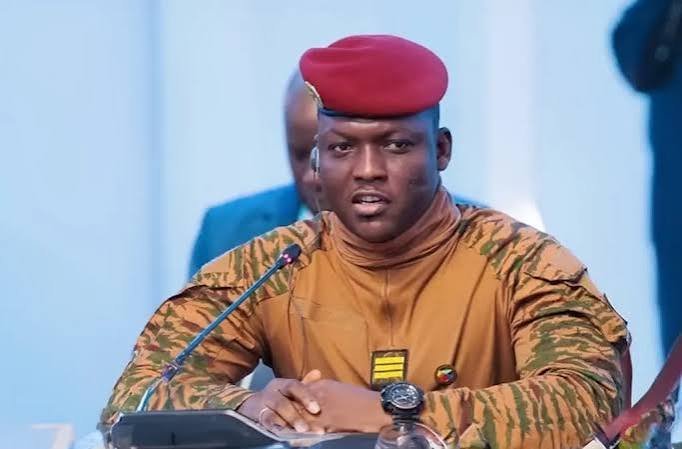
The decision follows a pledge by junta leader Captain Ibrahim Traoré to bring back capital punishment. Burkina Faso has been governed by military authorities since a coup in September 2022, and the government has made tackling armed extremism and restoring security central to its agenda.
Crimes That Could Attract the Death Penalty
Under the revised penal code, capital punishment will apply to a number of serious offences, including terrorism, espionage, high treason and the killing of a parent. The legislation also provides for the death penalty in cases involving the importation of expired or prohibited products that cause death.
Government officials have defended the measure as a way to strengthen deterrence and respond to the threat posed by armed groups. Justice Minister Bayala argued that the previous legal framework was too lenient, saying militant organisations had used the prospect of lighter punishment to encourage recruitment.
The government’s position reflects the scale of Burkina Faso’s security crisis. The country has endured years of attacks by armed groups linked to al-Qaeda and the Islamic State, with violence causing thousands of deaths and forcing millions of people from their homes across the wider Sahel region.
However, reinstating capital punishment does not by itself resolve the underlying security challenges. Its practical impact will depend on how the law is applied, the reliability of investigations and whether defendants receive fair trials.
Burkina Faso Reverses Its Earlier Abolition of Capital Punishment
Burkina Faso abolished the death penalty for ordinary crimes in 2018, marking a significant change in its criminal justice system. The country’s last known judicial execution took place in 1988, according to Amnesty International.
The restoration of capital punishment represents a major departure from that earlier policy. It also places Burkina Faso at odds with human rights organisations that have consistently called on governments to abolish the death penalty or restrict its use.
Supporters of the change may view it as a tougher response to serious crime and terrorism. Opponents argue that the death penalty carries the risk of irreversible injustice, particularly in countries where judicial institutions face pressure or have limited resources.
The legislation also raises questions about how courts will handle cases involving terrorism and national security, where evidence can be difficult to gather and defendants may face intense public or political pressure.
Human Rights Organisations Raise Concerns
The decision has attracted criticism from rights advocates, who warn that restoring the death penalty could worsen existing human rights problems.
Human Rights Watch said the measure risks being used to intimidate critics of the military government, particularly given the broader restrictions on political activity, civil society and independent media since the 2022 coup. The organisation has also raised concerns about procedural weaknesses in terrorism-related cases and the ability of defendants to receive fair hearings.
Amnesty International had urged Burkina Faso’s authorities not to reverse the abolition of capital punishment. The organisation has argued that reinstating executions would represent a serious setback for human rights at a time when political opponents, journalists and activists have faced mounting restrictions.
A central concern is that a death sentence cannot be reversed if a person is later found to have been wrongly convicted. Critics say that the risks are especially serious where investigations, access to legal representation and judicial independence may be inadequate.
The government, however, presents the reform as part of a wider effort to strengthen the justice system and respond to public demands for tougher action against terrorism and other serious offences.
Security Crisis Shapes Government Policy
Burkina Faso is at the centre of a wider security emergency affecting the Sahel, where armed groups have carried out attacks against civilians, security personnel and government institutions.
The military authorities have sought to assert greater control over national security and have changed the country’s international partnerships since taking power. Yet violence remains a major challenge, while the conflict has placed severe pressure on communities, public services and the economy.
The return of the death penalty is part of the government’s broader approach to criminal justice and security. Whether it will deter militant activity remains uncertain, and rights groups argue that improving investigations, strengthening courts and protecting civilians are essential to achieving lasting security.
The policy also raises questions about the balance between security measures and civil liberties. As the government expands its powers, independent oversight and transparent legal procedures will be important in determining whether the revised code is applied consistently.
What the Decision Means for Burkina Faso
The reinstatement of capital punishment marks a significant change in Burkina Faso’s legal system and is likely to remain controversial both domestically and internationally.
For the government, the measure is presented as a response to terrorism, serious criminal offences and demands for stronger enforcement. For human rights advocates, it creates additional risks in a country where political freedoms and judicial safeguards have already come under scrutiny.
The long-term consequences will depend on how authorities implement the new provisions, whether courts can ensure fair trials and whether the legislation produces any measurable improvement in public safety.
Burkina Faso now faces the challenge of confronting an entrenched security crisis while maintaining the legal protections needed to prevent wrongful convictions and abuses of power.