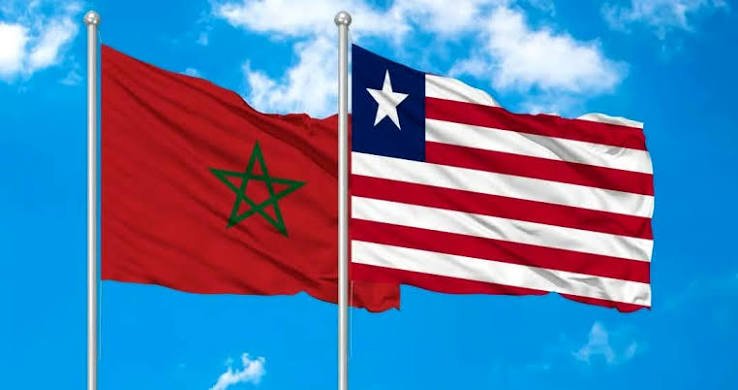
Morocco has begun delivering military vehicles and logistical supplies to Liberia as the two African countries expand their defence partnership, with around 140 Liberian soldiers expected to travel to Morocco for specialised commando training.
A Moroccan C-130 military transport aircraft arrived at Roberts International Airport near Monrovia on October 19, carrying the first consignment of equipment intended for the Armed Forces of Liberia (AFL). The delivery marks a practical step in implementing a defence cooperation agreement signed by the two countries in 2025.
The operation is scheduled to involve two flights between October 19 and 22. In addition to transporting military equipment to Liberia, the aircraft are expected to help move the selected Liberian personnel to Morocco for training.
The agreement reflects growing cooperation between Rabat and Monrovia in military development, technical assistance and professional training. Both governments are seeking to turn their diplomatic commitments into practical programmes that strengthen Liberia’s defence capabilities.
Morocco-Liberia Defence Agreement Moves Into Action
The latest delivery follows a series of discussions between senior military officials from both countries.
In September, Liberia’s Armed Forces Chief of Staff, Major General Davidson Fayiah Forleh, visited Morocco and met General Mohammed Berrid, Inspector General of the Royal Moroccan Armed Forces and Commander of the Southern Zone.
The talks focused on how the two countries could implement their existing military cooperation agreement. The discussions also led to a memorandum of understanding outlining areas for military support and capacity-building.
The agreement, signed in Rabat in October 2025, provides a framework for joint training, technical assistance and cooperation in military healthcare. The arrival of the transport aircraft represents one of the first visible steps in putting those commitments into practice.
For Liberia, the partnership offers access to Morocco’s military training experience and technical resources as the West African country seeks to develop its armed forces.
About 140 Liberian Soldiers to Receive Commando Training
A central part of the cooperation programme is the planned training of approximately 140 members of the AFL in Morocco.
The soldiers are expected to receive specialised instruction in commando operations, with the aim of improving their tactical skills, discipline and operational readiness. Their participation forms part of a broader effort to strengthen the professional capacity of Liberia’s military personnel.
The programme will require coordination between the two countries to arrange travel, medical screening and training schedules. Liberian officials have indicated that the planned flights will support both the equipment deliveries and the movement of personnel.
The training is intended to build practical military skills, although the long-term impact will depend on how the soldiers apply their training after returning home, as well as the availability of equipment, maintenance and continued professional development.
Cooperation Extends to Aviation and Maritime Security
The military partnership is not limited to equipment and ground-force training. Morocco and Liberia are also exploring ways to develop Liberia’s aviation and maritime security capabilities.
In aviation, Morocco is supporting Liberia’s ambitions to establish a military air wing. Cooperation in this area includes training for pilots and technical personnel, whose skills would be needed to operate and maintain aircraft safely.
Building an effective air capability involves more than acquiring aircraft. It also requires qualified crews, maintenance specialists, logistical support and reliable funding. Training and technical assistance are therefore important elements of the proposed cooperation.
Maritime security is another area under discussion. The two countries have explored support for the Liberia Coast Guard, particularly in areas such as maritime surveillance and the protection of Liberia’s territorial waters.
For a country with an Atlantic coastline, effective maritime monitoring is important for safeguarding coastal communities and overseeing activity in its waters. The extent of future support will depend on how the two governments develop their plans and resources.
Military Healthcare Included in Bilateral Partnership
Military healthcare is also part of the agreement, creating opportunities for cooperation in medical training, specialised treatment and professional exchanges.
The arrangement includes opportunities for Liberian military medical students to gain further training through Morocco’s military medical institutions, including Mohammed V Military Hospital in Rabat. The goal is to strengthen the medical expertise available to support Liberian service members.
Developing military medical services can help armed forces improve treatment for injured personnel and expand their capacity to respond to health emergencies. Cooperation in this area may also provide Liberian medical trainees with access to specialist knowledge and experience.
The inclusion of healthcare alongside operational training and technical support shows that the partnership is intended to cover several aspects of military development, rather than focusing solely on the delivery of equipment.
A Wider Role for Morocco in African Defence Cooperation
The growing relationship with Liberia forms part of Morocco’s broader engagement with African countries through military cooperation, training and technical exchanges.
For Liberia, working with Morocco provides another channel through which it can strengthen the Armed Forces of Liberia and develop expertise across ground operations, aviation, maritime security and military medicine.
However, the success of the partnership will depend on more than the arrival of equipment or the completion of training courses. Liberia will need to ensure that personnel are properly prepared, equipment is maintained, and sufficient resources are available to sustain the capabilities developed through the programme.
The two countries will also need to continue coordinating their plans to translate the defence agreement into long-term results.
The arrival of the first Moroccan aircraft in Liberia marks a concrete development in the relationship. With additional flights and the planned deployment of soldiers for training, the coming stages will show how quickly the two governments can turn their commitments into lasting improvements in Liberia’s military capacity.