Nigeria has confirmed its first Ebola case in the latest outbreak affecting parts of Africa, prompting health authorities to intensify surveillance and begin tracing people who may have been exposed to the virus.
The Federal Government announced on October 20, 2026, that a woman who recently travelled from Uganda to Abuja had tested positive for Ebola following laboratory confirmation. The patient is being treated in isolation, while public health teams work to limit the risk of further transmission.
The confirmation marks Nigeria’s first recorded Ebola case since the 2014 West African outbreak, which claimed thousands of lives across the region and prompted an extensive public health response in Nigeria.
The latest development has raised concern because the current outbreak has spread beyond the Democratic Republic of Congo (DRC), where it began, to other countries. Health officials are urging vigilance and swift action as they work to contain infections and prevent additional cases.
Health Authorities Begin Contact Tracing in Abuja
Health Minister Muhammad Ali Pate said contact tracing had started, with 44 people identified as close contacts of the confirmed patient.
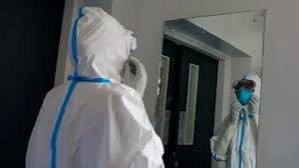
The people being monitored may include healthcare workers, patients, caregivers and others who could have been exposed during the woman’s journey or while she received medical care. Authorities are working to identify and assess these contacts so that anyone who develops symptoms can be isolated and tested promptly.
According to information released by the government, the woman arrived in Nigeria on an international flight from Uganda. She was admitted to a private hospital in Abuja after becoming ill and received care for several days before the diagnosis was confirmed.
The government said she remains in isolation and is receiving medical attention. Officials are also supporting the hospital to strengthen infection-prevention procedures and reduce the possibility of further exposure.
Nigeria’s health authorities have called on public and private medical facilities to remain alert, promptly isolate suspected cases and report them to the appropriate public health agencies.
Ebola Outbreak Spreads Beyond Central Africa
Nigeria’s confirmed case comes as health authorities across Africa respond to the widening outbreak of Bundibugyo virus, a strain of Ebola.
The outbreak was first reported in the DRC in May 2026 and has since affected multiple countries. Kenya reported its ninth case on October 20, while Uganda has also been affected during the wider regional emergency.
Jean Kaseya, director-general of the Africa Centres for Disease Control and Prevention (Africa CDC), described the outbreak as unusually widespread, noting that it has reached several countries across three African regions.
Kaseya has appealed to the international community to provide additional funding, medical supplies and healthcare personnel to support the response. He warned that the outbreak posed a serious threat, particularly given the high fatality rate reported in the DRC.
The situation has increased pressure on governments to strengthen cross-border cooperation, improve early detection and ensure that suspected cases are identified before the virus spreads further.
DRC Remains at the Centre of the Crisis
The Democratic Republic of Congo continues to account for most of the reported cases and deaths in the current outbreak.
According to figures cited by health authorities and reported by AFP, more than 9,000 cases had been recorded in the country, with 4,381 deaths reported by October 20. The scale of the outbreak has made it one of the country’s most serious Ebola emergencies.
The virus has also complicated public health efforts because infected people may travel across borders before their condition is recognised. The recent cases reported in Kenya and Nigeria illustrate the importance of surveillance at airports, hospitals and other points where health officials can identify potential infections.
Nigeria had already stepped up its Ebola preparedness after Kenya confirmed an imported case earlier in October. The Nigeria Centre for Disease Control and Prevention (NCDC) said it was reviewing surveillance and response arrangements to account for the changing regional situation.
What Nigerians Need to Know About Ebola
Ebola is a serious viral disease that can cause severe illness and death. It is primarily transmitted through direct contact with the blood or other bodily fluids of an infected person who is showing symptoms, or through contaminated objects. It does not spread simply because someone is in the same room as an infected person.
Symptoms can include fever, fatigue, muscle pain, headache, vomiting and diarrhoea. These symptoms can resemble those of other illnesses, so a person cannot be diagnosed based on symptoms alone.
Anyone who believes they may have been exposed should seek guidance from public health authorities and avoid close contact with others if symptoms develop. People should not attempt to care for a suspected case without appropriate medical guidance and protective measures.
Health officials have urged Nigerians to rely on verified announcements from the Federal Ministry of Health, the NCDC and other recognised public health agencies rather than spreading unconfirmed reports on social media.
Nigeria Activates Public Health Response
The Federal Government said it was working with the NCDC, the Federal Capital Territory health authorities and other relevant agencies to contain the infection.
The response includes tracing and monitoring contacts, strengthening surveillance, supporting infection-control procedures at the hospital and ensuring that suspected cases can be identified and referred for testing.
The government has also directed healthcare facilities nationwide to maintain a high level of vigilance and report suspected infections promptly.
Nigeria’s experience during the 2014 Ebola outbreak demonstrated the importance of rapid case identification, coordinated contact tracing and cooperation between federal and state health agencies. Those measures helped the country bring that outbreak under control.
The current case will test the country’s preparedness under a different regional situation. Health authorities will need to establish whether the patient had contact with anyone else who may have become infected and ensure that all identified contacts are monitored appropriately.
International Cooperation Becomes More Urgent
The latest developments have renewed calls for stronger coordination among African governments and international health organisations.
Ebola outbreaks require rapid communication between countries, reliable laboratory testing, adequate medical supplies and trained healthcare workers. Delays in detecting infections or tracking contacts can make containment more difficult, particularly when people have travelled internationally.
Africa CDC has appealed for greater international assistance as countries work to contain the Bundibugyo virus outbreak. Meanwhile, Nigerian authorities are focusing on limiting transmission from the confirmed case and preventing further infections.
For now, the government has confirmed one case in Nigeria and identified 44 close contacts for monitoring. Further developments will depend on contact-tracing results, ongoing surveillance and any additional laboratory-confirmed cases.
The priority for health authorities is to contain the infection quickly while providing the public with accurate information and avoiding unnecessary panic.