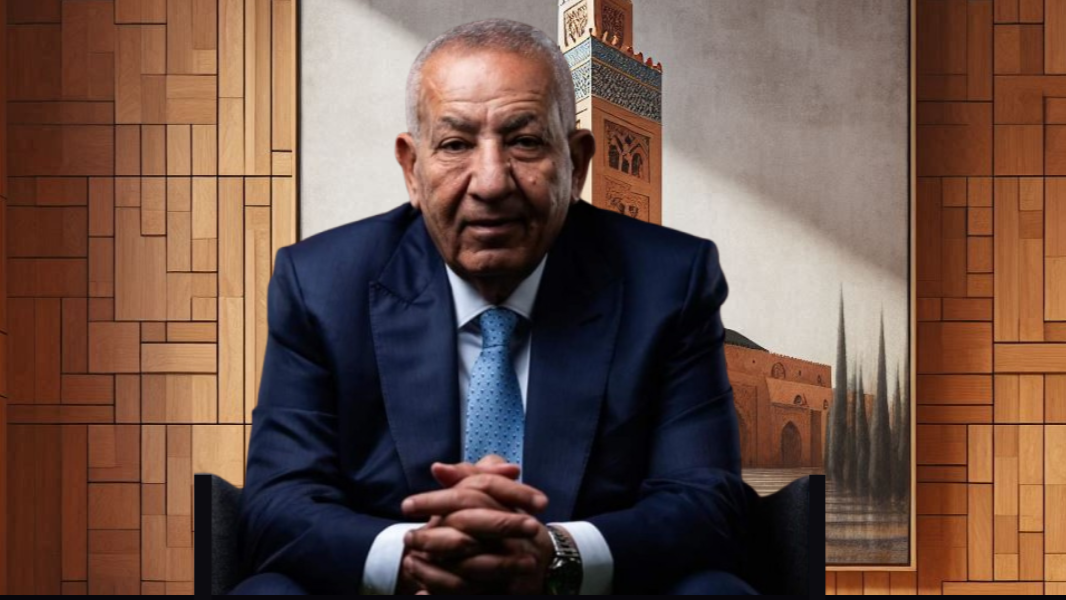
Egyptian hospitality entrepreneur Kamel Abou Aly has secured $250 million in financing to expand and modernise his Pickalbatros Hotels & Resorts business in Morocco, as the North African country prepares for a major increase in tourism ahead of the 2030 FIFA World Cup.
The funding comes from the International Finance Corporation (IFC), a member of the World Bank Group, and Attijariwafa Bank, Morocco’s largest banking group. The agreement was signed in Marrakech on October 15, 2026, to support hotel acquisitions, renovations and sustainability improvements across several Moroccan cities.
The investment represents a significant step in Pickalbatros’s regional expansion strategy. The Egyptian-owned hotel operator has been increasing its presence in Morocco, seeking to benefit from rising visitor numbers and growing demand for quality accommodation.
According to the IFC, the financing package is expected to help support more than 7,500 direct and indirect jobs and contribute to the development of Morocco’s tourism industry. The project is also expected to generate an estimated $269 million in additional economic contributions by 2032.
How Pickalbatros Plans to Use the $250 Million
The financing will help Pickalbatros integrate recently acquired properties into its Moroccan portfolio while improving existing hotels.
Two major acquisitions in Casablanca are among the initial priorities: the five-star Sofitel Casablanca Tour Blanche and Mövenpick Hotel Casablanca. The group acquired the Sofitel property from Moroccan hotel operator Risma for approximately 450 million Moroccan dirhams, equivalent to about $46 million, before adding the Mövenpick hotel to its portfolio.
The Casablanca investments are strategically important because the city is Morocco’s principal commercial centre. Its mix of business travel, conferences and international visitors offers Pickalbatros an opportunity to broaden its business beyond the beach resorts and leisure destinations that helped establish the brand.
Part of the funding will also be used to renovate and modernise hotels in Marrakech and Agadir. Planned improvements include measures to reduce energy and water consumption, with selected properties expected to pursue EDGE green-building certification.
The financing will additionally allow the group to refinance existing debt over longer repayment periods, helping it manage its financial commitments as it invests in further growth.
Investment bank Zilla Capital advised Pickalbatros on the transaction. The package combines funding from the IFC and Attijariwafa Bank, although the full terms of the financing, including interest rates and repayment schedules, have not been publicly disclosed.
Morocco’s Tourism Boom Attracts More Hotel Investment
Pickalbatros is expanding at a time when Morocco is working to establish itself as one of Africa’s leading international tourism destinations.
The country welcomed a record 19.8 million tourists in 2025 and has set a target of attracting 26 million visitors annually by 2030. Morocco’s plans to co-host the 2030 FIFA World Cup alongside Spain and Portugal are also encouraging investment in hotels, transport and other tourism-related infrastructure.
For hotel operators, the expected increase in visitors creates opportunities to expand accommodation capacity and improve the quality of services offered to international travellers.
However, preparing for a major sporting event requires more than adding hotel rooms. Tourism businesses must also consider energy efficiency, water consumption, staff training and the ability to maintain consistent service standards as visitor numbers grow.
Pickalbatros’s investment programme addresses several of these areas. Alongside acquiring hotels, the group plans to modernise selected properties to reduce resource consumption and improve their environmental performance.
The IFC has identified sustainable tourism and job creation as important objectives of the financing arrangement. Its involvement also brings international development finance expertise to a project designed to support private-sector growth in Morocco.
Pickalbatros Targets 7,000 Hotel Rooms by 2030
The $250 million financing package forms part of Pickalbatros’s broader expansion ambitions in Morocco.
The group has grown its Moroccan portfolio through a series of acquisitions and new hotel openings. Its recent additions include properties in Marrakech and Agadir, as well as the two hotels acquired in Casablanca.
Billionaires.Africa reported that Pickalbatros had expanded to nine hotels with more than 2,700 rooms in Morocco. The group aims to increase its capacity to approximately 7,000 rooms by 2030, reflecting its confidence in the country’s long-term tourism prospects.
The expansion follows a period of substantial growth. Among its earlier acquisitions were the Club Sangho property and the Palmeraie Palace and Golf Hotel complex in Marrakech, alongside the Palais des Roses in Agadir.
The company has also expanded its activities beyond conventional hotels. In December 2025, its Moroccan subsidiary acquired a 50% stake in Sindipark, the operator of Casablanca’s Sindibad theme park, extending its exposure to the wider tourism and leisure industry.
The group’s strategy combines acquiring established properties with upgrading them and adding new capacity. This approach gives Pickalbatros a faster route into important tourism markets than relying exclusively on constructing new hotels.
Its success will depend on how effectively it integrates the properties, manages financing costs and attracts enough visitors to support its growing portfolio.
Who Is Kamel Abou Aly?
Kamel Abou Aly is an Egyptian hotel entrepreneur best known for founding Pickalbatros Hotels & Resorts, a hospitality group with operations in Egypt and Morocco.
Born in 1954 in Port Said, Egypt, Abou Aly spent approximately 15 years working in Switzerland before returning to his home country in 1992 to establish his hotel business.
His entry into the hospitality industry began with the Beach Albatros Resort in Hurghada, a Red Sea destination that has become one of Egypt’s recognised tourism centres. He subsequently developed Pickalbatros into a major resort operator, with properties in destinations including Hurghada, Sharm El Sheikh and Marsa Alam.
The group built much of its reputation around all-inclusive holiday resorts, catering to travellers seeking accommodation, dining and leisure facilities within a single destination.
Its move into Morocco represents a broader regional growth strategy, extending its presence beyond Egypt’s established beach tourism markets.
Casablanca provides access to business travellers, while Marrakech and Agadir offer opportunities in cultural tourism, leisure holidays and coastal hospitality.
The latest financing could therefore help Abou Aly diversify his business while positioning Pickalbatros to benefit from Morocco’s anticipated tourism growth over the coming years.
What the Financing Means for Morocco’s Economy
The investment is significant not only for Pickalbatros but also for Morocco’s hospitality sector.
According to the IFC, the project is expected to support more than 1,350 direct jobs and approximately 6,200 indirect jobs. The direct positions may arise within the hotel business, while indirect employment could benefit suppliers, service providers and other businesses connected to tourism.
Hotel investment can generate economic activity across several industries, including construction, food production, transport, cleaning services and entertainment. An increase in tourist arrivals can also create additional opportunities for local businesses serving visitors.
The financing’s sustainability-linked component is another important feature. Selected hotel upgrades are expected to target lower greenhouse gas emissions and improved energy and water efficiency. The IFC says the planned improvements associated with EDGE certification are expected to reduce energy and water use by at least 20% in selected properties.
These measures are relevant to Morocco’s tourism industry, particularly as hotels seek to accommodate more guests while managing resource consumption.
Nevertheless, the projected employment and economic contributions are expectations rather than guaranteed outcomes. The final impact will depend on how the investment is implemented and how the tourism market develops.
Outlook: Pickalbatros Bets on Morocco’s Tourism Future
Kamel Abou Aly’s $250 million financing deal highlights the growing interest of regional investors in Morocco’s hospitality industry.
By combining hotel acquisitions, renovations and sustainability improvements, Pickalbatros is positioning itself to serve different segments of the tourism market while pursuing its target of 7,000 rooms in Morocco by 2030.
The country’s record visitor numbers and World Cup preparations provide a favourable backdrop, but long-term success will depend on maintaining demand, controlling operating costs and delivering a high standard of service.
For Morocco, the investment offers the prospect of additional tourism capacity, employment opportunities and greater private-sector participation in the economy.
For Pickalbatros, it represents a major financial commitment to expanding beyond its Egyptian foundations and building a stronger presence in one of North Africa’s most closely watched tourism markets.