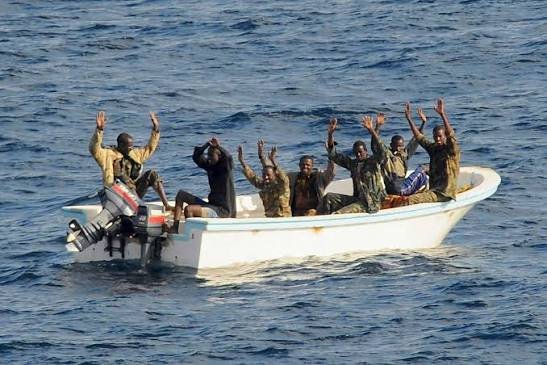
The return of piracy off Somalia’s coastline is creating a difficult situation for fishing communities, with residents facing declining catches, restrictions on their livelihoods and increased surveillance as authorities intensify efforts to stop hijackings.
In Bander Beyla, a coastal town in Somalia’s semi-autonomous Puntland region, fishermen say the renewed security measures have made it increasingly difficult to earn a living. Although the restrictions are intended to disrupt pirate networks, residents argue that ordinary people are also suffering the consequences of crimes they did not commit.
The situation highlights the complicated relationship between maritime insecurity, economic hardship and local communities that depend on the sea for survival.
Somali Fishermen Struggle as Piracy Returns
For Abdifatah Mohamed, fishing has been a source of income for most of his life. Having worked at sea for about two decades, he says declining catches and competition from foreign trawlers have reduced the money he can bring home.
He believes foreign fishing vessels are placing additional pressure on Somalia’s marine resources, leaving local fishermen struggling to compete.
Somalia’s central government collapsed in 1991, weakening the country’s ability to police its waters effectively. In the years that followed, illegal fishing and maritime insecurity became persistent concerns along parts of the coastline.
Some coastal fishermen eventually became involved in piracy, which grew into a major threat to international shipping during the late 2000s and early 2010s. Although international naval operations helped reduce attacks for years, recent hijackings have raised fresh concerns about the return of the problem.
Mohamed acknowledges that some people from his community have joined armed groups operating at sea. However, he believes such activities are damaging the same communities whose economic difficulties helped create the conditions for insecurity.
Fishing Restrictions Deepen Economic Pressure
Piracy incidents increased off Somalia from late April 2026, with several vessels reportedly seized and held near the Puntland coast.
As the situation deteriorated, local authorities introduced restrictions in Bander Beyla during the final week of August. Fishermen were temporarily prevented from going out to sea because of concerns that pirates might disguise themselves as ordinary fishing crews.
For residents who depend on daily catches to feed their families, the restrictions created an immediate financial challenge.
Mohamed said the fishing ban left households struggling to obtain basic necessities. He also expressed concern that fishermen who ignored the restrictions could be suspected of supporting pirate operations or helping supply hijacked ships.
Those who venture into the water may also face encounters with international naval forces searching for suspected pirates. Residents fear they could be arrested or mistaken for members of armed groups despite having no involvement in criminal activities.
The security measures have therefore left fishermen facing difficult choices: remain onshore without a reliable income or risk being caught up in maritime operations.
Arrests and Surveillance Affect the Wider Community
Abdirizak Said, another fisherman from Bander Beyla, said the crackdown has affected not only those working at sea but also shopkeepers and other local businesses.
According to Said, dozens of people have been arrested, including individuals suspected of delivering food or khat to pirates operating near the town.
Local businesses were also reportedly warned against selling supplies to suspected pirates. Those found providing assistance could themselves come under suspicion.
These measures illustrate how counter-piracy operations can extend into everyday commercial activity when authorities seek to dismantle the networks supporting maritime crime.
However, the approach has also increased anxiety among residents who depend on fishing and small businesses to survive.
Said said some of the people involved in recent hijackings come from Bander Beyla itself, meaning the community is experiencing the consequences of both piracy and the response to it.
The disruption has also affected supply routes. Boats that previously transported goods from Yemen to Somalia have reportedly stopped arriving because of security concerns surrounding the attacks.
Family and Clan Connections Play a Role in Piracy Networks
Researchers say Somali piracy cannot be understood simply as a series of attacks carried out by armed men at sea. The operations also depend on networks on land that provide money, equipment, supplies and protection.
Jethro Norman, a senior researcher at the Danish Institute for International Studies, explained that family and clan relationships can help pirate groups obtain resources and organise their activities.
Such relationships may provide access to credit, boats, manpower and local support. They can also make it more difficult for authorities to identify and disrupt the networks behind hijackings.
This means efforts to combat piracy must address the organisations and relationships supporting the attacks, rather than focusing exclusively on the individuals who board ships.
At the same time, the links between suspected pirates and local communities create a risk that enforcement measures could affect people who have no direct involvement in maritime crime.
For Bander Beyla, where many households rely on fishing and small-scale trade, disrupting these networks without undermining legitimate livelihoods remains a major challenge.
Residents Try to Prevent More Young People From Joining Pirates
Despite the pressure facing the town, some residents have reportedly taken steps to discourage young people from joining piracy operations.
Mohamed described an incident in which local youths armed themselves and attempted to head out to sea. Other residents intervened, warning that further attacks would bring greater hardship to the community.
He said civilians took the initiative because they understood that their families and neighbours would suffer if piracy continued to operate from the area.
The intervention reflects concern among residents that the consequences of maritime crime could extend far beyond the people directly involved.
For fishing communities, continued hijackings threaten access to the sea, disrupt commercial activity and invite further restrictions. They can also damage the reputation of coastal towns and make ordinary fishermen more vulnerable to suspicion.
Community efforts to prevent recruitment into piracy may therefore play an important role alongside official security operations.
Restrictions Lifted After Three Hijacked Ships Were Freed
Local authorities reportedly lifted the fishing restrictions on October 1 after counter-piracy operations resulted in the release of three vessels.
The International Maritime Organization confirmed on October 2 that the ships Honour 25, Seamull, also known as Sibu 1, and Eureka had been freed.
A total of 44 seafarers were released. The organisation also reported that five crew members died during the rescue operation involving the Honour 25.
Although the restrictions were lifted, the security presence around Bander Beyla remained visible. Local officials said helicopters continued to patrol the coastline and surrounding areas in search of armed individuals.
The officials attributed the flights to the European Union Naval Force, which has conducted maritime security operations in the region for years.
For residents, the continued surveillance is a reminder that the end of the fishing restrictions has not necessarily restored normal life.
Fishermen remain concerned about being mistaken for pirates and about whether they can safely return to their work without facing arrest or confrontation.
Regional Security Challenges Have Created Opportunities for Pirates
Analysts say the resurgence of Somali piracy must also be considered alongside wider security developments in the Red Sea, Gulf of Aden and surrounding region.
Abdinur Abdella, a Somali political and security analyst, said international naval forces shifted some of their attention after Houthi attacks on shipping began in late 2023. Those attacks, linked to the war in Gaza, increased pressure on maritime security operations in the region.
The competing demands on international naval forces may have created opportunities for armed groups operating off Somalia to resume attacks.
Puntland’s own maritime security forces have also faced other responsibilities. Norman said the Puntland Maritime Police Force has been stretched by operations against Islamic State-linked fighters in the Al-Miskad mountains and by the consequences of earlier political and security conflicts.
These competing demands have complicated efforts to maintain a strong security presence along the coast.
Analysts also point to the importance of clan relationships in understanding the activities of armed groups and the difficulties faced by authorities attempting to dismantle their support networks.
Can Somalia Tackle Piracy Without Punishing Fishermen?
The latest developments underline the difficulty of restoring maritime security while protecting the livelihoods of coastal residents.
Piracy threatens international shipping, endangers seafarers and can damage the economic prospects of communities along Somalia’s coastline. Authorities therefore face strong pressure to prevent further hijackings and identify those responsible.
However, restrictions that prevent legitimate fishermen from working can also deepen poverty and resentment, particularly when households have few alternative sources of income.
Residents of Bander Beyla say they want to earn a living without being treated as suspects whenever they go to sea. Their concerns point to the need for security measures that distinguish between ordinary fishing activity and assistance provided to pirate groups.
Long-term progress may require stronger maritime policing, investigations into the networks financing hijackings, cooperation with international naval forces and greater protection for legitimate fishing activities.
Improving the economic opportunities available to coastal residents could also help reduce the appeal of criminal activity, although poverty alone does not explain or justify piracy.
For now, Bander Beyla remains caught between renewed maritime crime and the security measures intended to stop it. The future of its fishing community may depend on whether authorities can restore confidence and safety without depriving innocent residents of their main source of income.