Ethiopia has announced the establishment of a temporary administration in Tigray as the government seeks to restore normal governance and prepare the region for elections within six months.
The decision follows renewed hostilities involving federal troops and the TPLF, which has historically dominated politics in the northern region. The latest clashes have altered the security situation and raised fresh concerns about the durability of the peace arrangement reached after the previous war.
According to Ethiopia’s federal government, the caretaker administration will focus on restoring government institutions, improving public services and creating conditions for elections that authorities say should be free and transparent.
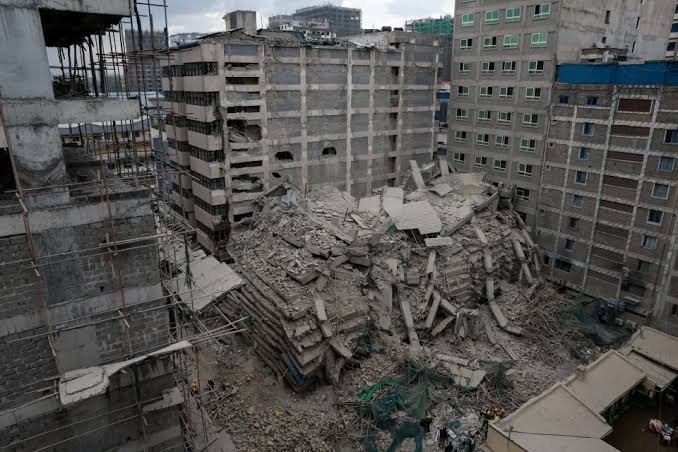
The administration will also oversee reconstruction efforts in areas affected by conflict and coordinate initiatives aimed at helping internally displaced people return to their communities.
Renewed Fighting Raises Tensions
The announcement comes after the TPLF launched an offensive against federal forces on September 23, 2026. The fighting revived fears of a return to the devastating conflict that engulfed Ethiopia between 2020 and 2022.
During that earlier war, hundreds of thousands of people reportedly died, while large numbers of residents were forced to flee their homes. A peace agreement signed in Pretoria in 2022 brought major hostilities to an end, but disagreements over its implementation and Tigray’s political future have persisted.
Recent clashes have again placed the relationship between the federal government and Tigray’s political leadership under pressure.
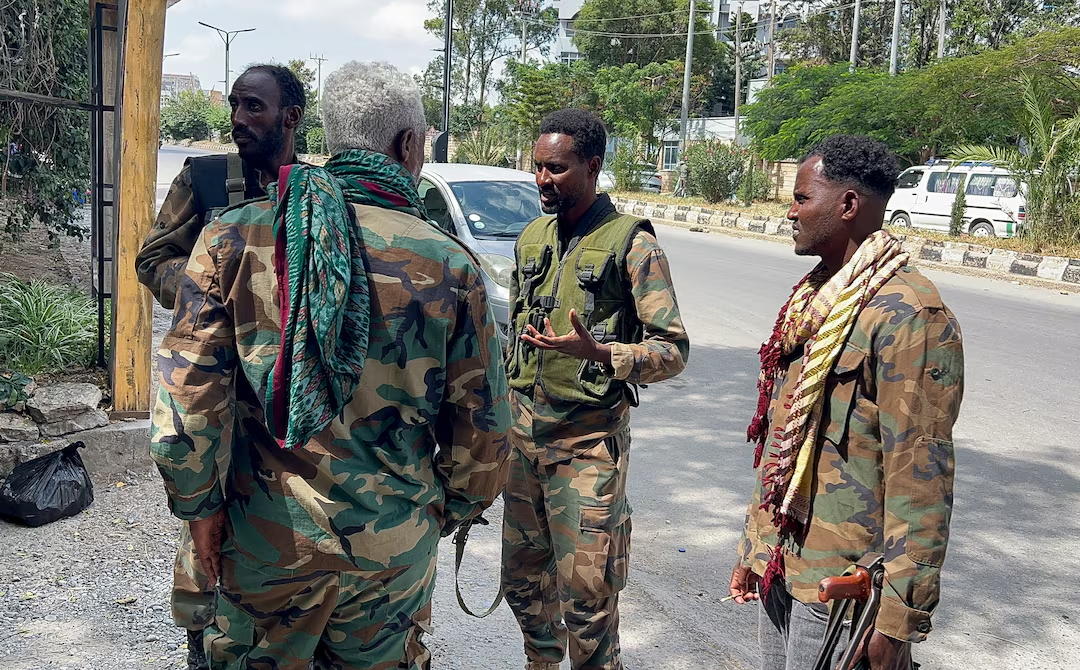
Federal forces and allied fighters have regained control of significant areas, including Mekelle, the regional capital, according to reports on the latest developments. The change in control has created a new political reality in the region as the government moves to establish the temporary administration.
Government Says Elections Are a Priority
The caretaker administration has been given a six-month mandate, with the organisation of regional elections among its principal responsibilities.
The federal government says the transition should enable residents to exercise their right to regional self-government through an electoral process. Officials have also identified restoring public institutions, rebuilding damaged infrastructure and improving access to essential services as key priorities.
The administration is expected to operate under federal government oversight and concentrate on routine governance and preparations for elections rather than making major long-term policy decisions that should be left to an elected regional government.
Its responsibilities also include coordinating security efforts, supporting the reintegration of armed elements into civilian life and creating conditions for a peaceful political transition.
However, the success of the plan will depend on whether security conditions improve and whether the political divisions that contributed to the renewed fighting can be addressed.
Humanitarian Challenges Remain Serious
Beyond the political dispute, Tigray continues to face significant humanitarian and economic challenges stemming from years of conflict.
According to Reuters, approximately 750,000 people in the region remained internally displaced as of February 2026. The area has also faced drought-related pressures, adding to the difficulties confronting communities already affected by violence and disrupted livelihoods.
Restoring basic services and helping displaced families return home will therefore be important tests for the interim administration.
Reconstruction will require attention to damaged infrastructure and public facilities, while affected communities will need reliable access to essential services. The government has included these issues among the temporary administration’s stated responsibilities.
Nevertheless, continued insecurity could complicate relief operations and delay efforts to restore normal life across the region.
Ethiopia-Eritrea Relations Face Further Strain
The renewed conflict in Tigray is also unfolding against a backdrop of strained relations between Ethiopia and neighbouring Eritrea.
Ethiopia has accused Eritrea of supporting forces opposed to the federal government. Eritrea has denied the allegation.
Addis Ababa has also accused Egypt and Sudan of supporting the rebel alliance, although those countries have rejected the claims. These competing accusations have added to concerns about the possibility of the conflict affecting the wider Horn of Africa.
The region is strategically important, and further instability could complicate diplomatic relations among neighbouring countries already dealing with security and political challenges.
For Ethiopia, restoring stability in Tigray is therefore not only a domestic governance issue but also a matter with implications for regional relations.
Questions Remain Over the Political Transition
Although the federal government has presented the interim administration as a pathway towards elections and improved stability, important questions remain about how the transition will unfold.
The government will need to establish whether conditions are sufficiently secure for residents to participate in an election and whether the political process can accommodate competing interests in the region.
The TPLF’s response to the new administration will also be significant, particularly given the renewed confrontation and longstanding disagreements over the implementation of the 2022 peace agreement.
For residents of Tigray, the immediate concerns include safety, access to essential services, the future of displaced families and the restoration of livelihoods damaged by years of conflict.
The six-month timetable provides a target for returning the region to elected governance. Whether that goal can be achieved will depend on developments on the ground, the security situation and the ability of the authorities to create conditions for a credible electoral process.
For now, the caretaker administration faces the twin challenge of restoring government functions while helping prevent further violence in one of Ethiopia’s most troubled regions.